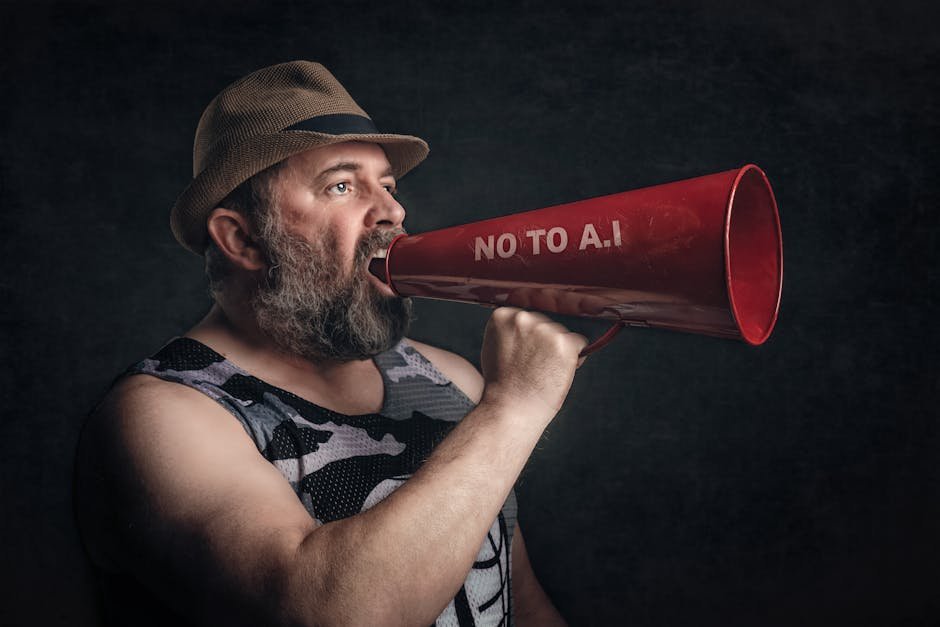
If you think the protests against artificial intelligence are just another case of disruptive student activism, think again: the battle over technology adoption is heating up, and it’s not just about the tools we use, but the very fabric of our society. According to the Pittsburgh Post-Gazette, students are making their voices heard in opposition to AI, while a professor from the University of Pittsburgh warns that delaying AI adoption is no longer an option.
The Stakes of Technology Adoption
What is pushing students to rally against artificial intelligence now? A rising sense of unease and fear about how technology will shape the future of education, labor, and privacy. As students across the nation take to the streets, their concerns reflect deeper anxieties about the potential ramifications of AI in their lives. This isn’t just a question of robots taking jobs; it’s a fundamental discourse on who controls the future. The Pitt professor’s assertion that we cannot delay the AI adoption signals a crucial moment in the ongoing dialogue surrounding technology. It sets the stage for a clash between those advocating for progress and those urging caution.

We can’t ignore the players involved. On one side, you have students who are acutely aware of the ethical implications of AI. They’re not just protesting for the sake of being heard; they’re demanding accountability from universities and tech companies that seem to be racing headlong into the AI future without addressing the potential fallout. On the other side, industry leaders and academics argue that embracing technology is essential for advancement. They contend that resisting change could lead to stagnation—an idea that might seem valid, but it also rings dangerously dismissive of legitimate concerns.
The Technology Tug-of-War
The real question here is: who truly benefits from this push for rapid AI integration? The tech giants and their shareholders stand to gain immensely, but what about the everyday citizen? There’s a risk of widening the gap between those equipped to thrive in a tech-driven world and those who are not. If universities fail to integrate discussions about ethics and societal implications into their curriculums, they may produce a generation of professionals who are technically adept but ethically blind.

Moreover, the conversation around technology is often framed too narrowly. It’s not merely about harnessing the latest advancements; it’s about how we wield that power. The professor’s call to action is, in many ways, a validation of the students’ fears—there is an urgency in technology adoption that cannot be ignored, but that urgency must be tempered with thoughtfulness.
Yet, while students rally against AI, they risk being painted as anti-innovation. This narrative could backfire, creating a situation where their concerns are dismissed as mere Luddism. The mainstream media often misses this nuance. By focusing solely on the confrontation, they overlook the possibility that thoughtful critiques of technology can lead to better, more responsible innovations.

In this tug-of-war, both sides must rise above their entrenched positions. Yes, technology is essential for future growth, but it must be approached with a sense of responsibility and ethical awareness. The opposing forces of enthusiasm for AI and caution against its potential misuse need to find common ground.
In closing, as students raise valid concerns and professors preach about the necessity of embracing technology, we face a critical crossroads. Will we learn to navigate the complexities of AI together, or will we continue to fight over its control? The outcome of this battle will shape our future, and there’s no room for complacency. After all, in the world of technology, the only constant is change—and how we manage that change could determine the very essence of our society.
Source: Google — Technology & AI