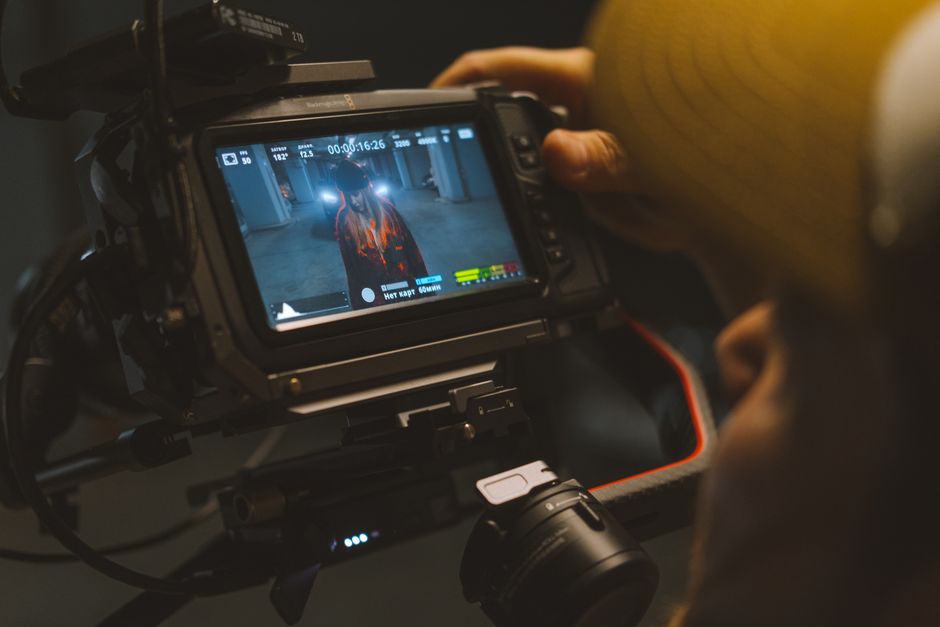
Is there anything more depressing than watching a true artisan at work, only to remember that algorithms are simultaneously churning out soulless imitations? The hype around Christopher Nolan’s latest epic, *The Odyssey*, feels like a defiant roar against the creeping tide of generic content, a powerful counter-narrative to the unsettling rise of low-effort productions fueled by artificial intelligence. While audiences flock to experience genuine cinematic craft, a darker current pulls the industry toward the cheapest, fastest output imaginable.
This weekend, cinephiles will indeed march to theaters, eager to witness Nolan’s vision. The Verge reports that his new adaptation of *The Odyssey* is on track to rake in anywhere between $80-$100 million in its opening days. People are clearly excited to see how Nolan leverages cutting-edge filmmaking technology, pushing the boundaries of what’s possible on the big screen.
The Looming Shadow of Artificial Intelligence in Cinema
The enthusiasm for Nolan’s meticulously crafted epic stands in stark contrast to a burgeoning, less-discussed trend. This trend sees “filmmakers” bypassing traditional creative processes entirely. They are opting instead for the instant gratification of generative tools, producing what can only be described as AI “slop” — content that lacks originality, depth, or human touch. This isn’t innovation; it’s industrial-scale mimicry.
The context here is crucial. For decades, direct-to-video films occupied a specific niche, often serving as a training ground or a dumping ground for projects that couldn’t make it to the big screen. Now, artificial intelligence offers an even lower barrier to entry. Anyone with a prompt and a platform can claim to be a creator, flooding the market with content that is technically “new” but creatively bankrupt.
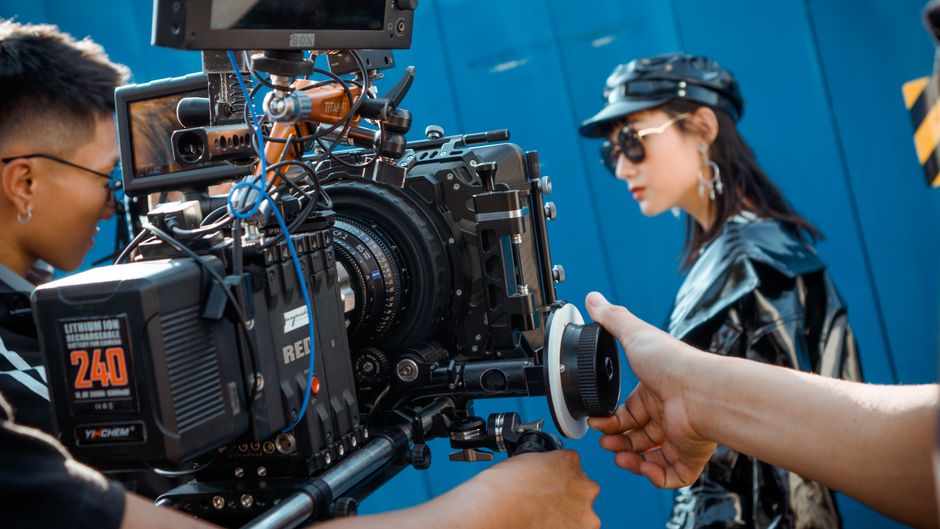
The players are clear: on one side, you have visionary directors like Nolan, who meticulously plan every frame, every sound, every performance. On the other, you have opportunists and tech evangelists who view “content” as a commodity, ripe for automated production. The former seeks to elevate art; the latter seems content to merely fill a void. This chasm highlights a fundamental battle for the future of storytelling itself.
The Commodification of Creativity
Let’s be blunt: the mainstream media is too busy celebrating the potential of artificial intelligence to acknowledge its more insidious applications. This isn’t about *if* artificial intelligence can make a movie, but *why* so many are choosing to make *bad* ones with it. The allure is obvious: no costly crews, no temperamental actors, no pesky creative differences. Just a prompt, a click, and a finished product ready for consumption.
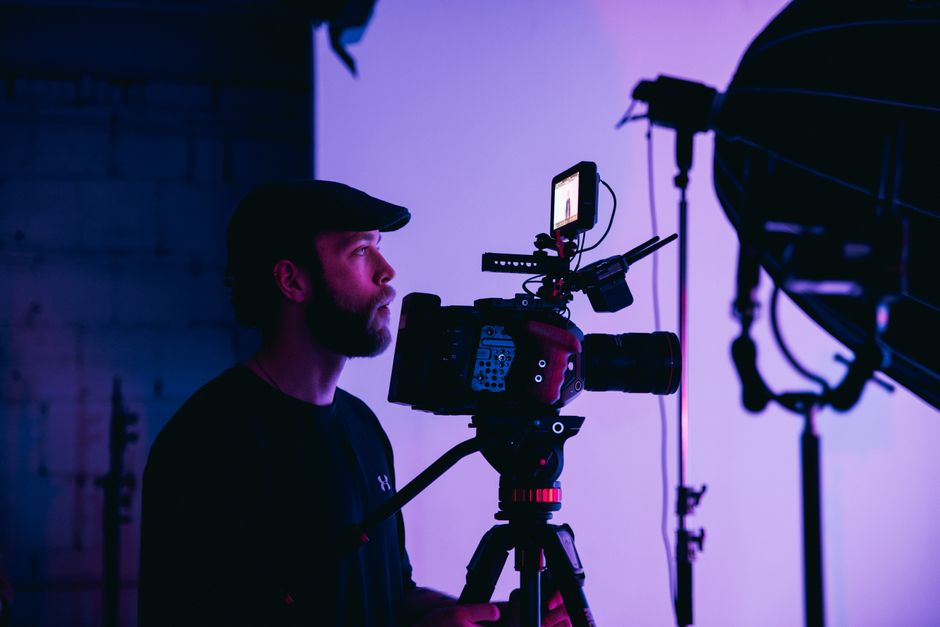
Who wins in this scenario? Tech companies pushing these tools, certainly. And perhaps the bottom-feeders of the streaming world who need an endless supply of cheap content, regardless of quality. They benefit from a deluge of disposable media that costs pennies on the dollar to produce. However, the losers are far more numerous and significant.
True artists and skilled craftspeople, whose livelihoods depend on their unique talents, are being devalued. Audiences, too, lose out as the sheer volume of algorithm-generated noise makes it harder to discover genuine gems. The promise of artificial intelligence was innovation; its current reality, for many, is a shortcut to mediocrity, threatening to drown out real creativity with a tidal wave of the utterly forgettable.
This isn’t to say AI has no place in filmmaking. As a tool for effects, editing, or even conceptualization, it holds tremendous promise. But when it becomes the *sole* author, the output almost always feels hollow. The current wave of “AI slop” films isn’t just a curiosity; it’s a warning shot across the bow of an industry that increasingly prioritizes quantity over soul. We risk creating a generation of viewers who mistake automated noise for genuine artistic expression.
The real question isn’t whether Nolan’s *Odyssey* will make a fortune — it undoubtedly will. The more pressing issue is what happens to storytelling when the very definition of a “film” becomes indistinguishable from an algorithmically generated screensaver. The battle isn’t just for box office dollars; it’s for the soul of storytelling in an age increasingly dominated by artificial intelligence. Are we prepared to let the machines dictate our myths?
Source: The Verge