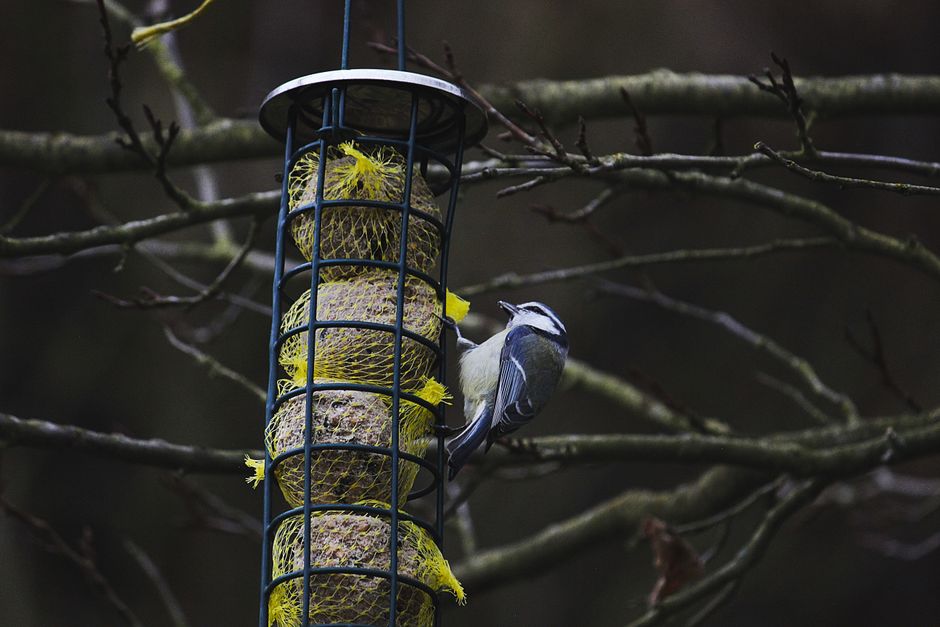
Is there anything left in our world that AI won’t infiltrate, commodify, and surveil? The latest frontier, it seems, is our backyards, specifically the humble bird feeder. This isn’t just about feeding feathered friends anymore; it’s about a fully digitized, data-driven interaction with nature, spearheaded by products like the **Birdfy** smart feeder.
According to The Verge, Birdfy has launched a midyear sale, dropping the price of its AI-powered smart bird feeder with a camera to $149.99. This marks its second-best price to date, making the high-tech gadget more accessible to a broader audience.
The Digital Gaze on Nature’s Doorstep
This isn’t merely a sale on a gadget; it’s a window into a deeper trend. We’re witnessing the relentless march of artificial intelligence into every corner of our lives, transforming even the most anachronistic activities. Watching birds, once a quiet, reflective pastime, is now ripe for optimization and data collection. The appeal is clear: who wouldn’t want to identify every rare visitor to their garden or capture stunning close-ups without lifting a finger?
However, the question isn’t just what these devices *can* do, but what they *represent*. This isn’t just about connecting with nature; it’s about *mediating* that connection through an ever-present digital lens. The players are tech companies keen to expand their ecosystem, and consumers, often unknowingly, eager to outsource their curiosity to algorithms. This trend reflects a broader societal shift where authenticity often gives way to convenience, and passive observation supplants active engagement.
Smart Feeders: Convenience or Creeping Control?
Let’s be blunt: the Birdfy feeder isn’t just for birdwatching enthusiasts. It’s a Trojan horse for a particular vision of the future. On the surface, it’s about identifying species, recording visits, and even deterring squirrels. That’s the selling point. Yet, beneath the veneer of ecological interest lies a deeper current of data collection and the subtle commodification of natural experiences. Every bird detected, every visit logged, every pattern observed contributes to a data set. Whose data is it, and how will it ultimately be used? This isn’t just a bird feeder; it’s a surveillance device pointed at your wildlife.
Furthermore, we’re talking about outsourcing our ability to identify and appreciate nature to an algorithm. What does it do to our own observational skills when a machine does all the heavy lifting? The mainstream narrative focuses on the “smart” aspect, the ease, the novelty. What it misses is the diminishing human element, the potential for digital fatigue to replace genuine wonder. We are buying convenience, certainly, but also an implicit agreement to have more of our environment, and therefore our lives, filtered through a corporate server. The idea that we need AI to truly ‘see’ the birds in our own backyards is a troubling testament to our increasing reliance on technology. On the one hand, it democratizes access to ornithological knowledge; on the other, it distances us from the raw, unfiltered experience. This isn’t a simple purchase; it’s an investment in a paradigm where even the wild is tamed by data.

The allure of a perfect shot or an instant identification is strong. But as these smart devices become ubiquitous, we must ask ourselves what we truly gain, and what we might subtly lose. Is our engagement with the natural world becoming just another data point in the relentless march of AI, or are we truly fostering a deeper connection? Perhaps the next iteration of the Birdfy will not just identify birds, but monetize their calls, their migratory patterns, or even their preferred seeds. The future, it seems, is always watching, even if it’s just watching a robin.
Source: The Verge