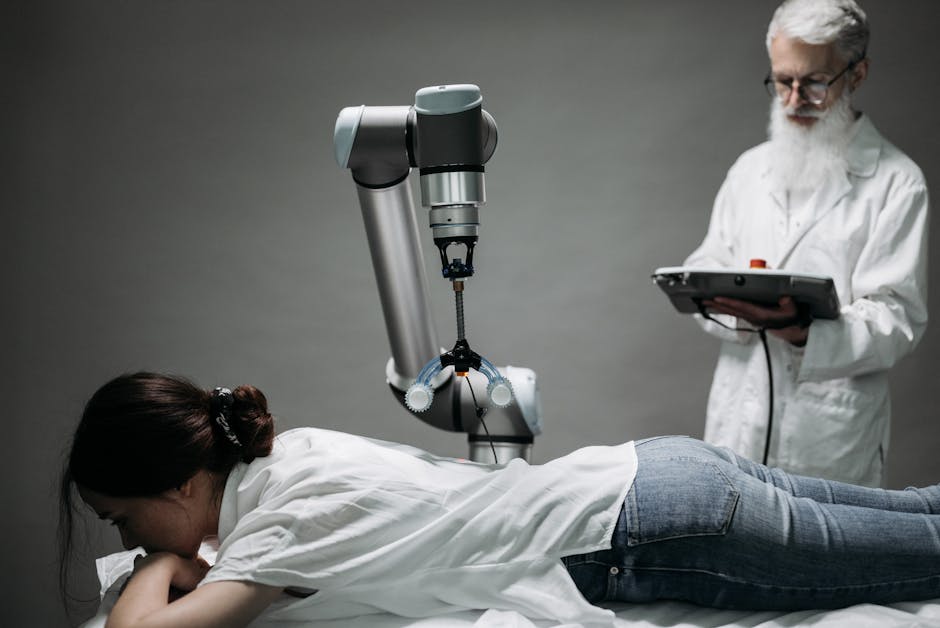
Artificial intelligence analysis frames the debate here: Buckle up, everyone—or rather, buckle down for a world where your doctor might not even have a medical degree. The advent of artificial intelligence in healthcare isn’t just knocking on the door; it’s barging in, and it promises to change everything we thought we knew about medicine.
Why artificial intelligence revolution matters now
According to KevinMD.com, artificial intelligence is transforming healthcare delivery in ways that are both thrilling and terrifying. From automated diagnostics to AI-driven patient management systems, we are witnessing a seismic shift that could redefine patient care as we know it.
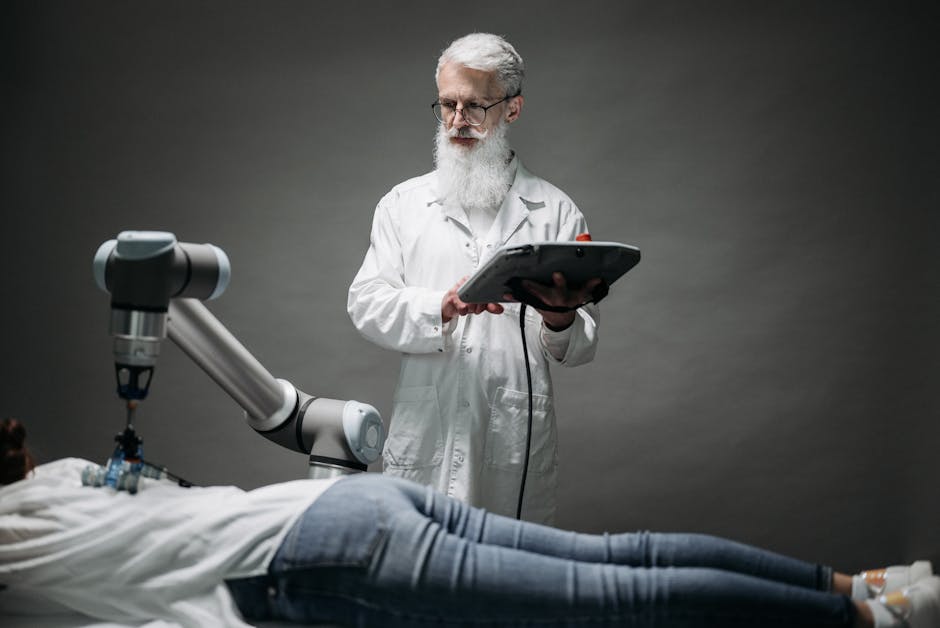
Why does this matter? The pandemic accelerated the adoption of technology in healthcare, exposing the inefficiencies and bottlenecks of traditional medical systems. We’ve been teetering on the brink of a digital revolution for years, but COVID-19 pushed us over the edge. With advancements in AI, we’re talking about algorithms that can analyze vast amounts of data faster than a human could ever dream. Imagine a world where your medical records are scrutinized and interpreted by machine learning models with pinpoint accuracy. It sounds great, right? But here’s the rub: technology doesn’t know empathy. It doesn’t understand the nuance of human interaction—an essential component of healthcare that can’t be reduced to binary code.
The stakes around artificial intelligence revolution
Amid this unfolding narrative, tech giants are standing at the ready, eager to inject their innovations into healthcare. They promise efficiency, speed, and reduced costs, appealing to a system that desperately needs reform. The allure is undeniable: who wouldn’t want a quick diagnosis via a smartphone app? Yet behind this shiny veneer lurks a more profound existential threat. What happens when patients are treated as mere data points in a system that prioritizes speed over the human touch?

Let’s be real: while healthcare systems are salivating over the cost-cutting potential of AI, the risk of widening existing inequalities in access to services has never been higher. Those who can afford the latest technology will thrive, while others will be left behind, navigating outdated systems. The irony is palpable—by deploying AI to democratize healthcare, we may end up deepening the chasm that already exists between the haves and the have-nots.
And let’s not ignore the ethical dilemmas that arise when algorithms are making life-changing decisions. Who is responsible when an AI misdiagnoses a condition? The programmer? The hospital? The patient? As it stands, accountability in AI-driven healthcare is murky at best. While algorithms can process data with remarkable efficiency, they are not infallible. Without transparency, we risk placing our health in the hands of a black box that may put profits over people.
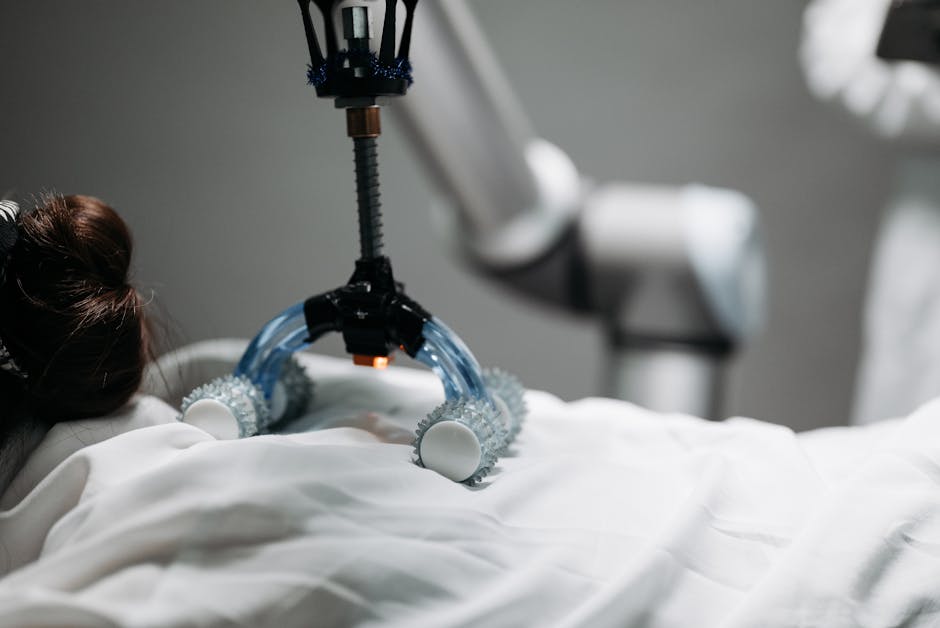
In an ironic twist, the very systems designed to help us might become the very systems that hinder our well-being. The mainstream narrative often celebrates technological advancements without adequately addressing these risks. Sure, AI can streamline processes, but at what cost? As we race toward this digital utopia, we must ask ourselves: are we creating a healthcare system that serves our needs, or are we building one that serves the interests of corporations looking to capitalize on our vulnerabilities?
As this disruptive wave continues to roll through healthcare delivery, one thing is certain: we need to strike a balance between innovation and compassion. The true challenge lies in leveraging AI as a complement to our healthcare system rather than a replacement for the humanity that defines it.
So, as we stand at this critical juncture, let’s not lose sight of what healthcare is ultimately about: people. Let’s ensure that in our quest for efficiency, we don’t sacrifice the essence of care that makes us human. In the end, the question remains: can we trust machines with our most sensitive health decisions, or are we just trading one form of vulnerability for another?
Source: Google — Technology & AI
That tension around artificial intelligence Processed is not going away.
That tension around artificial intelligence analysis is not going away.