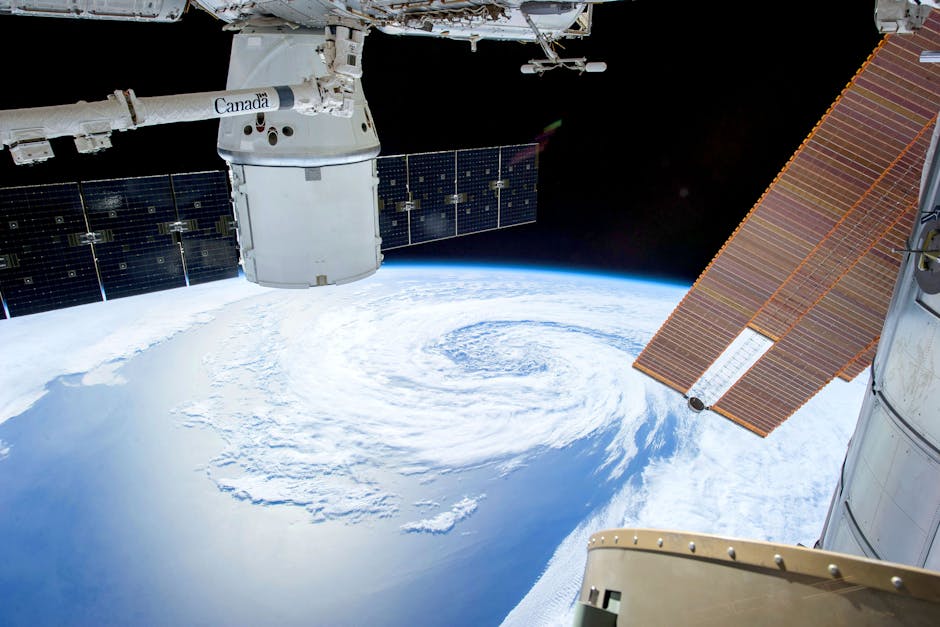
AI hurricane forecasts may sound like the stuff of sci-fi thrillers, but they’re shaping up to redefine how we prepare for nature’s fury. This intersection of technology and meteorology isn’t just a trend; it’s a lifeline. As climate change intensifies storms, the urgency for improved predictive tools has never been greater.
According to ABC11 News, researchers are increasingly leveraging artificial intelligence (AI) to enhance hurricane forecasting accuracy. By combining AI’s processing speed with human insight, forecasters are ushering in a new era of preparedness that could save lives and property alike.
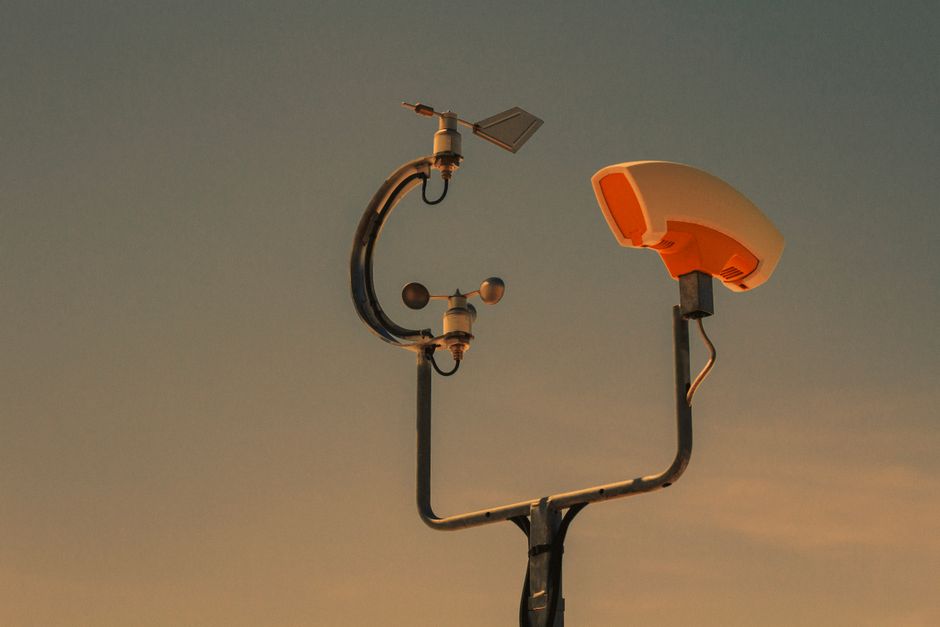
The Surge of Technology in Hurricane Forecasting
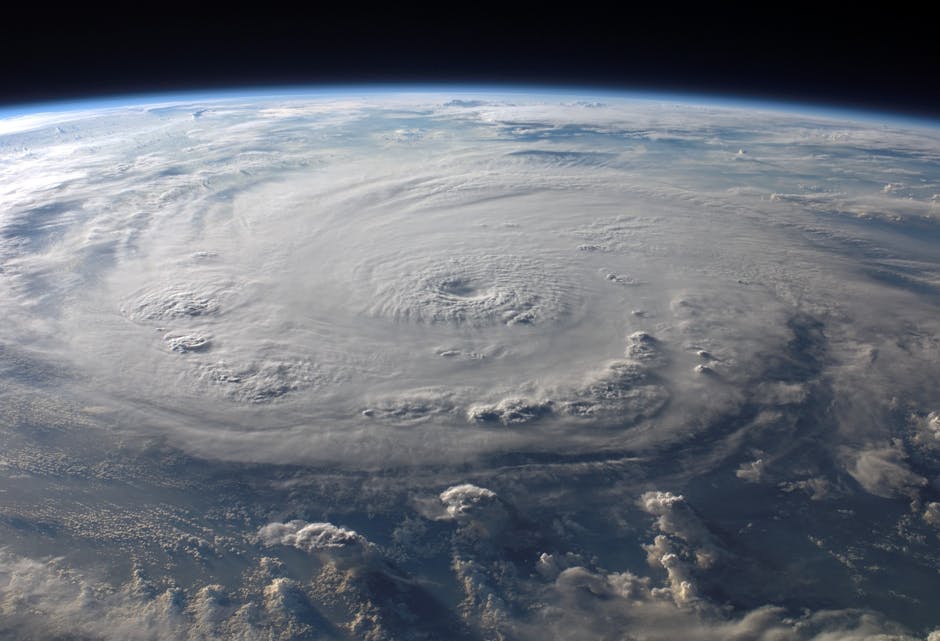
Let’s unpack why this matters now. With hurricanes growing stronger and more unpredictable, traditional forecasting methods are falling short. The National Oceanic and Atmospheric Administration (NOAA) and tech developers are racing against time and rising sea levels. The current approach relies heavily on complex mathematical models and historical data, which can falter in rapidly changing storm conditions. Enter AI, which can analyze vast datasets at lightning speed, allowing meteorologists to identify patterns and anticipate shifts with a level of precision that was previously unimaginable.
The integration of technology and meteorology is far from a mere novelty. It’s a necessary evolution, a response to a climate reality that demands innovative solutions. The stakes are staggering: accurate forecasts can mean the difference between life and death in coastal communities. Yet, while this partnership of human intuition and technological prowess is promising, it begs the question—are we ready to trust technology with our future?
Who Wins and Who Loses in This Tech Transformation?
While the potential benefits of using AI in hurricane forecasting are clear, the risks of over-reliance on technology shouldn’t be glossed over. Humans are inherently unpredictable, and so is nature. AI can optimize predictions based on existing data, but what happens when unexpected climatic anomalies arise? A misplaced trust in technology could lead to tragic miscalculations, where communities believe they have time to prepare, only to find themselves in the eye of a storm with little warning.
Moreover, the reliance on technology may widen the disparity between the haves and the have-nots. Wealthier areas may have the resources to implement advanced forecasting tools, while marginalized communities could be left clinging to outdated methods. If we allow technology to dictate our preparedness without equitable access, we risk deepening social divides and exacerbating vulnerabilities.
Then there’s the ethical conundrum: who is liable when AI gets it wrong? As we entrust our safety to algorithms, we must also consider accountability. If a hurricane slams a city unexpectedly, will we blame the AI for failing to predict it, or the human experts who relied on its data? This shifting landscape offers no easy answers and raises critical questions about the balance of responsibility between human and machine.
As climate-driven disasters become more frequent, the spotlight on technology’s role in disaster preparedness will only intensify. AI-driven hurricane forecasting presents an exciting frontier, but it’s not without its pitfalls.
The question looms large: are we prepared to embrace this technology, understanding both its promise and its peril? If we play our cards right, AI could be our ally against nature’s wrath, but we must tread carefully. Balancing innovation with human oversight is essential as we navigate this brave new world.
As we look ahead, let’s not just celebrate the advancements in technology but also remain vigilant about the ethical and social implications they carry. The future of hurricane forecasting may indeed be bright, but that light must shine on all—not just for the privileged few.
Source: Google — Technology & AI