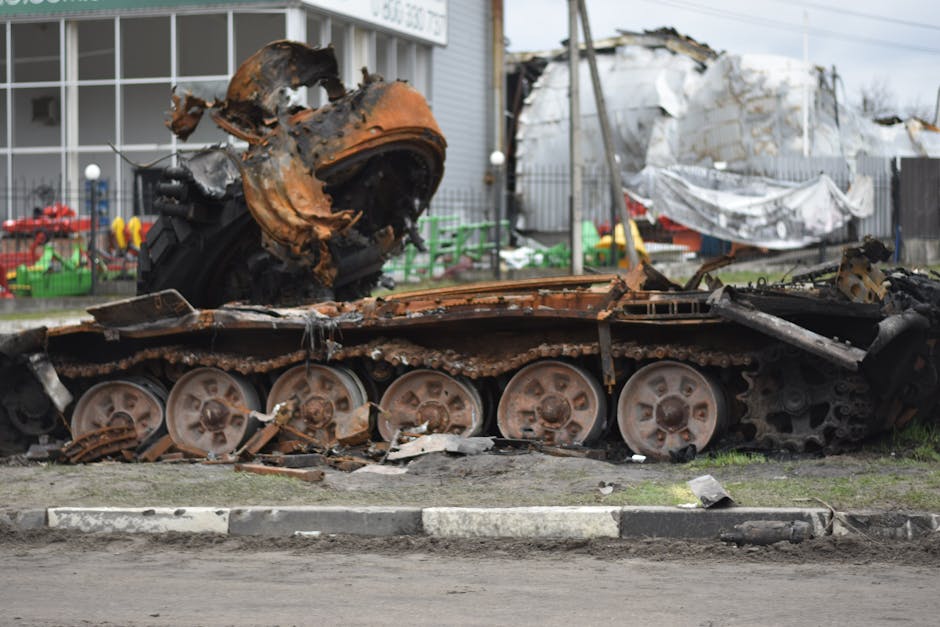
The war in Ukraine has become a grim spectacle where one side suffers staggering losses while the other watches in disbelief. How long can Russia sustain this catastrophic strategy before it collapses under its own weight? According to Al Jazeera, the Russian military has seen its rate of losses nearly triple in just one year, leaving its ground offensive stagnating in 2026.
The Current State of the War
This escalation of losses paints a bleak picture for Russia’s military ambitions. While Moscow may have hoped for swift territorial gains, the reality on the ground suggests a standstill, with no significant victories to report. The war has morphed into a protracted quagmire, testing the resolve of Russian forces and the Kremlin’s narrative of invincibility. As the death toll rises, the Kremlin must grapple with the mounting frustration of families mourning their lost sons, brothers, and fathers.
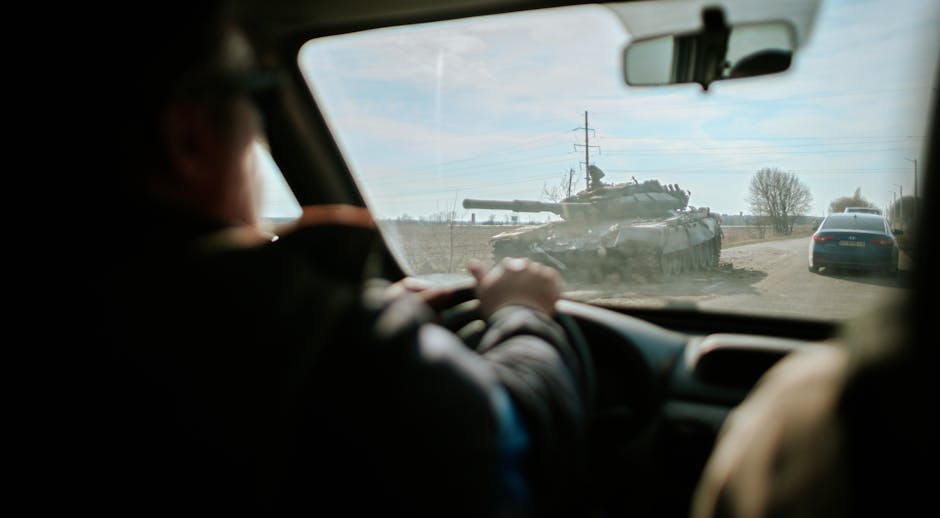
As the war wages on, what does this mean for the future? It’s easy to view this as a failure of military strategy, but it also highlights a significant shift in the public perception of the war within Russia. The pain of loss is slowly creeping into the national narrative, challenging the previously unshakeable support for the conflict. What happens when the propaganda machine can no longer drown out the voices of the grieving families?
Implications of the War
The implications of this escalating war are profound. For Ukraine, every Russian casualty is a step closer to reclaiming occupied territories. However, the numbers also serve to embolden Russia’s adversaries, who see the unraveling of Kremlin authority as an opportunity. The West, meanwhile, remains keenly aware of the shifts in Russian military fortunes, often viewing these developments as both a warning and a chance to tighten sanctions further.
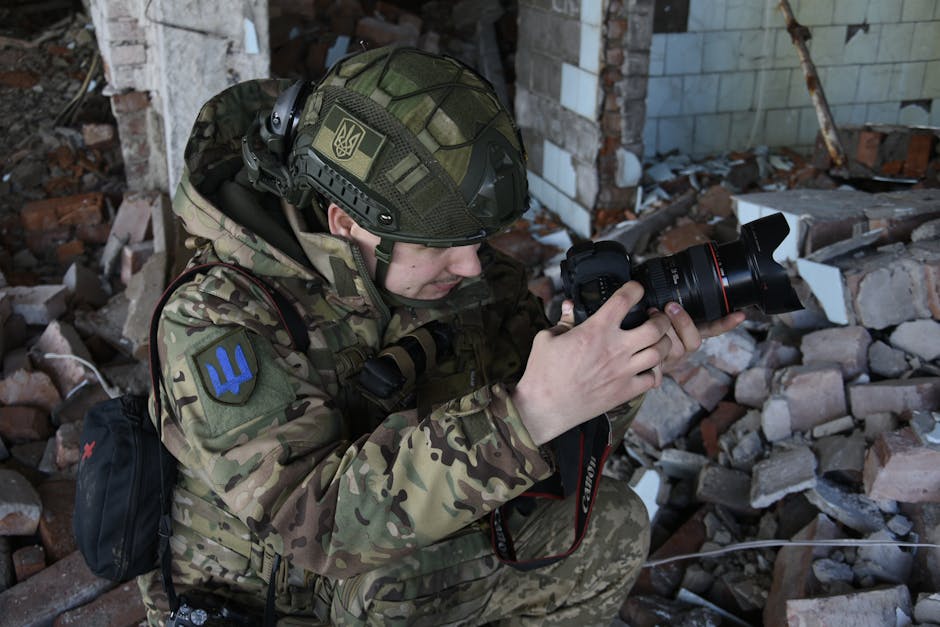
On the other hand, Russia faces a dual challenge: maintaining internal support for the war while navigating the growing tides of discontent among its populace. This discontent can manifest in various ways, from protests to a creeping sense of hopelessness, both of which threaten the Kremlin’s grip on power. The stark reality is that while Moscow continues to pour resources into the conflict, the human cost is becoming harder to ignore.
We must also consider the viewers tuning into this war from a comfortable distance. As news channels hold up the stark visuals of conflict, the narrative is often distilled into easy-to-digest headlines. Yet, beneath those headlines lies a human tragedy that should challenge complacency. The culture that churns out entertainment while millions suffer in war-torn regions is a troubling reflection of our times. When did we become so desensitized?
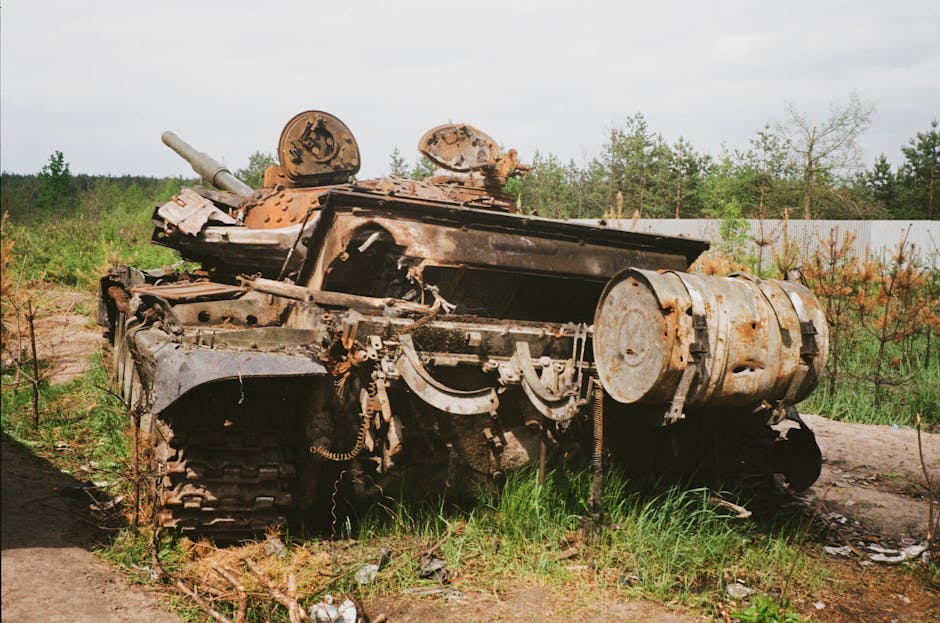
As disturbances in the war echo through the halls of power in Russia, it’s easy to wonder what the endgame is. Can a government sustain support for a war that yields more losses than victories? The Kremlin may be betting on a long game, hoping that time will dull the sting of loss. However, history shows us that prolonged conflict often leads to desperation and unpredictability.
In conclusion, the war in Ukraine isn’t just a distant echo of military strategy; it is a living narrative that influences not only geopolitics but also the cultural fabric of nations involved. As Russia faces escalating losses, the consequences could ripple far beyond the battlefield, shaking the foundations of its society. The question remains: can Russia turn the tide, or are we witnessing the slow unraveling of a powerful empire? It’s a cliffhanger we can’t afford to ignore.
Source: Al Jazeera