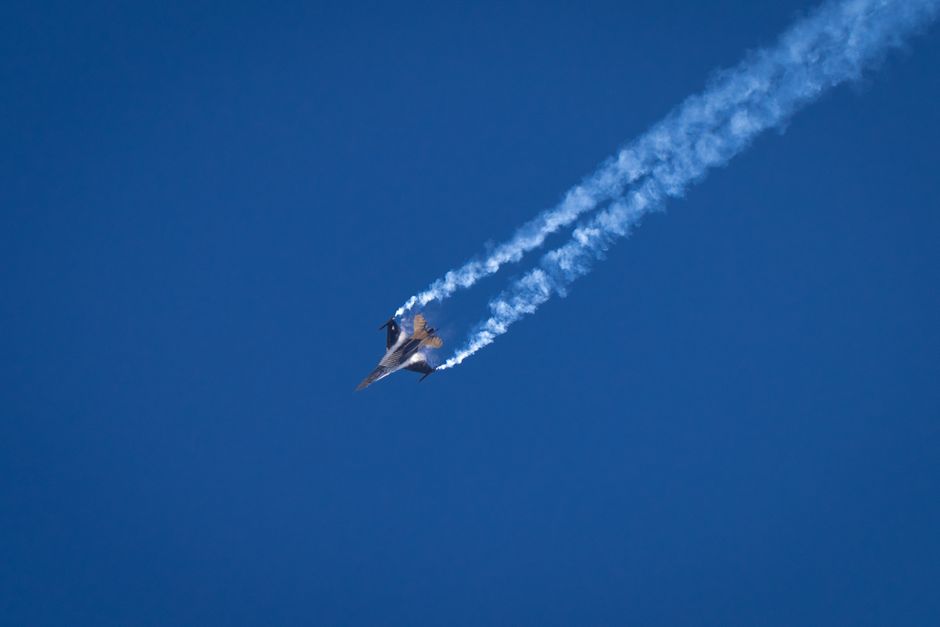
A single shot in the Latvian sky just redefined the aerial dance above the Baltic, with a NATO fighter jet taking decisive action over **Latvia**.
This past week, the skies above Europe’s eastern flank saw a moment of stark clarity, as an Italian NATO fighter jet intercepted and shot down an unidentified drone that had ventured into Latvian airspace. The announcement, confirmed by a spokesperson for the alliance and reported by ABC.net.au, was concise, almost clinical, but its implications ripple far beyond the immediate incident. In a region where aerial incursions and surveillance are a constant, if often unacknowledged, reality, this was a public, definitive statement of intent.
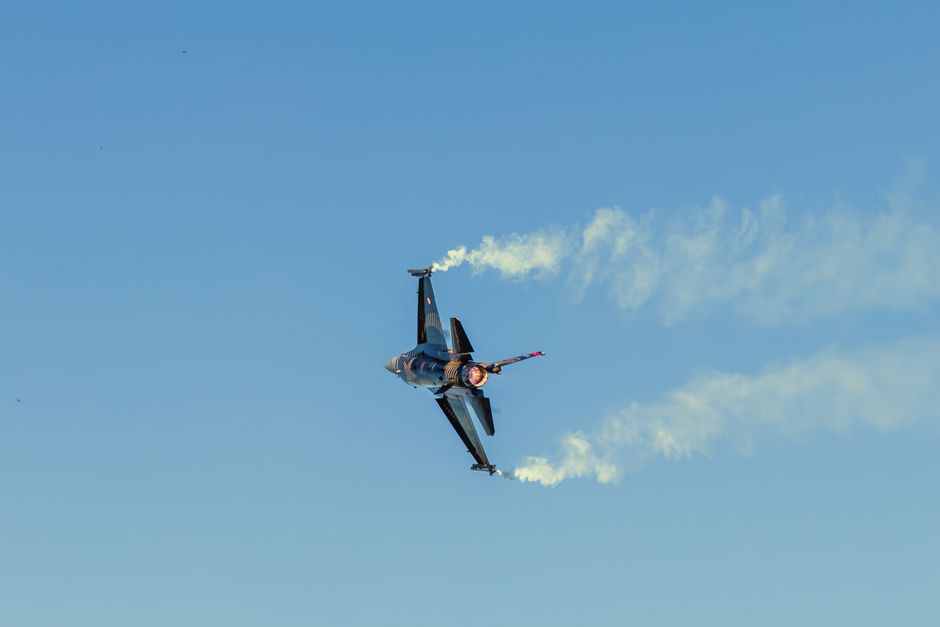
The political context is unmistakable: NATO’s eastern members, particularly the Baltic states, have long felt the chill wind of geopolitical tensions. Their airspace is not just sovereign territory but a front line in a broader, undeclared aerial contest. This event isn’t merely about a drone; it’s about the alliance’s collective defense, its operational readiness, and the very real boundaries it is prepared to enforce.
What landed
What landed, first and foremost, was the drone itself, but swiftly after, a message of unambiguous resolve from NATO. The decision to shoot down the drone, rather than merely track or escort it, marks a significant escalation in the alliance’s response protocols for airspace violations. This was a clear demonstration that abstract doctrines like Article 5 manifest in very concrete, kinetic actions when deemed necessary. The spokesperson’s confirmation, brief as it was, left no room for doubt about the event itself.
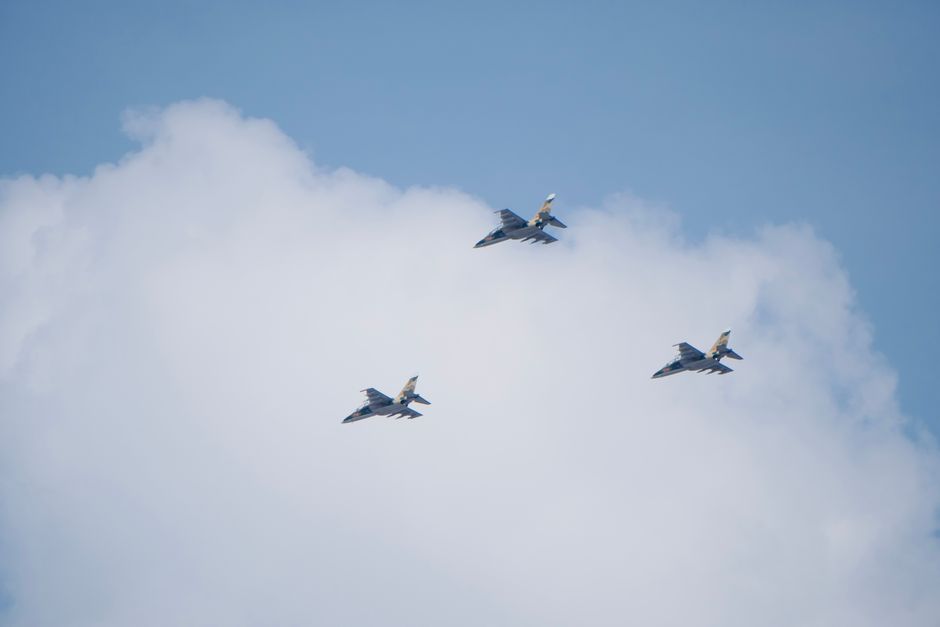
Giving credit where it is due, NATO has shown impressive operational coordination. An Italian jet, operating within the alliance’s integrated air defense system, defending Latvian sovereignty underscores the practical application of collective security. This swift and decisive action serves as a potent deterrent, signaling to any potential adversaries that the alliance’s commitment to defending its members’ airspace is not merely rhetorical. It’s an encouraging display of muscle memory, honed through years of exercises, now deployed in a live scenario. The alliance delivered a stark reminder that its air defense architecture is not a passive observation network but an active, responsive shield.
What doesn’t add up
While the decisive action itself was commendable, the accompanying public statement, or rather the lack of detail within it, leaves much to the imagination. The bare-bones announcement from the NATO spokesperson, simply confirming “an Italian NATO fighter jet shot down a drone that entered Latvian airspace,” feels deliberately sparse. This strategic minimalism, while perhaps aimed at controlling the narrative and avoiding unnecessary escalation through rhetoric, also raises a host of unanswered questions.
What kind of drone was it? Was it a commercial quadcopter, a sophisticated military reconnaissance craft, or something else entirely? Who owned it, and was its origin definitively identified before the shootdown? Crucially, what was its specific threat profile that necessitated its destruction rather than a less confrontational response? The implication is that this particular drone crossed a threshold, but the public is left to guess where that line was drawn. This vacuum of information, while possibly a calculated move to deny intelligence to an adversary, also invites speculation and can make it harder for allies and the public to fully grasp the nuances of the decision. There’s a wry sense that the alliance is saying, “We did what we had to do,” without feeling obliged to explain *why* it had to be done to that extent. This deliberate opacity, while possibly a tactical necessity, also leaves room for interpretative spin from all sides.
The drone’s demise over Latvia is more than just a military incident; it’s a new chapter in the ongoing aerial chess match above Europe. Monday morning, capitals from Moscow to Brussels will be parsing not just the action, but the precise wording, or lack thereof, in NATO’s statement. The alliance has drawn a clear line in the sky, demonstrating that its collective defense is a tangible reality. The open questions, however, ensure that the skies above Latvia just got a lot more interesting, and the world will be watching to see what lines others choose to test next, and with what level of detail the responses will be communicated.
Source: OnTheRecord