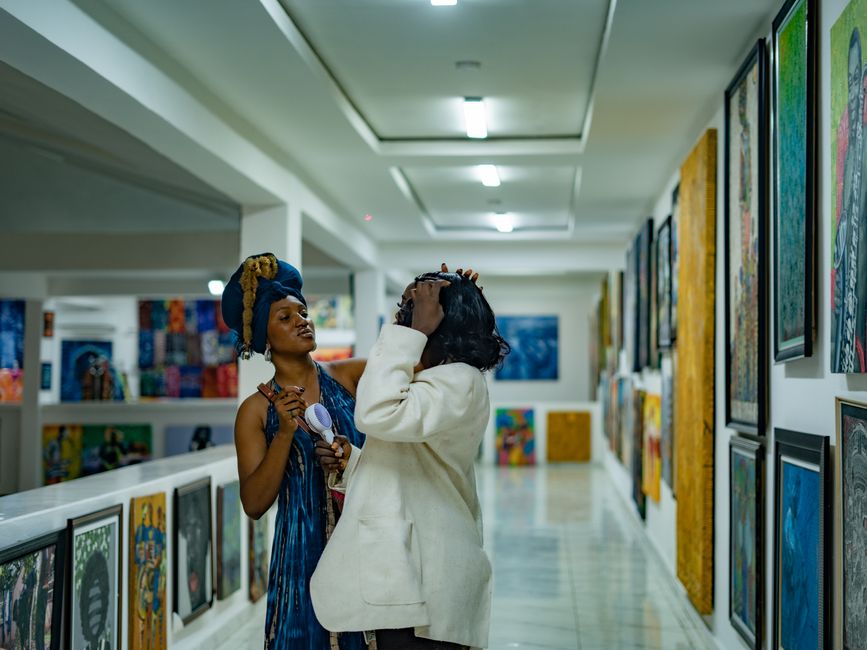
For Collector Marie-Cécile Zinsou, the Observer interview isn’t just a spotlight; it’s a progress report on a cultural revolution she’s been meticulously engineering in Benin.
Marie-Cécile Zinsou, the influential art collector and founder of the Zinsou Foundation, sat down with the Observer to discuss her monumental achievement: building a vibrant museum and, more broadly, an active arts scene in Benin. Her efforts, as the Observer recounts, have demonstrably “shifted the general attitude toward the arts” in the West African nation. This is no small feat, particularly in a region where cultural infrastructure often struggles for priority against more immediate development needs.
The interview paints a picture of Zinsou as a force of nature, driven by a deeply personal commitment to democratizing art. Her vision extends beyond mere exhibition; it encompasses education, community engagement, and the cultivation of local talent. It’s a testament to how one individual’s “unflinching drive,” as the summary puts it, can indeed move mountains – or, in this case, artistic sensibilities.
What landed
What truly resonated from the Observer’s conversation was the sheer audacity and tangible impact of Zinsou’s project. She hasn’t just built a building; she’s built a bridge. The emphasis on making art accessible to *everyone* in Benin, not just an elite few, shines through. This is an admirable, and often overlooked, aspect of cultural development: the belief that art is a fundamental right, not a luxury.
Her success in cultivating an “active scene” is particularly encouraging. It suggests a grassroots engagement that transcends the typical top-down model of cultural institutions. The Observer’s piece highlights how her initiatives have fostered a sense of ownership and excitement around the arts locally, proving that with the right catalyst, a nation can indeed re-engage with its creative spirit and heritage. This isn’t just about importing art; it’s about nurturing an indigenous appreciation and contribution.
Zinsou’s approach appears refreshingly pragmatic. While many discussions around repatriated art focus on the historical injustice, her work seems to quietly demonstrate a path forward: by fostering a robust, contemporary art ecosystem *within* African nations, the continent not only reclaims its narrative but actively shapes its future cultural landscape. She’s not just advocating for art; she’s actively creating the conditions for it to flourish.
What doesn’t add up
While the Observer rightly champions Zinsou’s immense achievements, the interview, by its very nature, focuses on the successes, leaving some intriguing questions gently unasked. The “unflinching drive” that built the museum and shifted attitudes is undoubtedly powerful, but sustaining such an ambitious cultural movement demands more than just initial zeal. One might ponder the long-term funding models, particularly as initial philanthropic momentum might wane, or if the “active scene” can truly become self-sustaining in a global art market often skewed against emerging regions.
Furthermore, the piece celebrates the shift in general attitude, which is fantastic, but the depth and longevity of this shift remain a fascinating challenge. How does one ensure that the excitement generated translates into consistent engagement from diverse demographics, not just for a few years, but for generations? Cultivating an “active scene” is one thing; ensuring its commercial viability for local artists, allowing them to make a living and thrive within Benin, is another, more complex, beast. The path from initial enthusiasm to a fully integrated, economically robust cultural sector is often fraught with subtle, systemic hurdles.
The interview, while highly complimentary, leaves us with a sense of the immense groundwork laid, but perhaps less on the subtle, ongoing architecture required to keep the structure standing firm against the winds of changing tastes and economic realities. It’s a testament to her vision, but the road ahead, while surely paved with good intentions, will undoubtedly present new, nuanced challenges beyond the initial, monumental build.
Monday morning, Zinsou’s story will undoubtedly inspire. It’s a powerful reminder that cultural development isn’t a luxury; it’s a fundamental investment in a nation’s soul. Her work demonstrates that with strategic vision and genuine commitment, a powerful shift in perception and participation is not just possible, but already underway, setting a high bar for cultural leaders across the continent.
Source: OnTheRecord