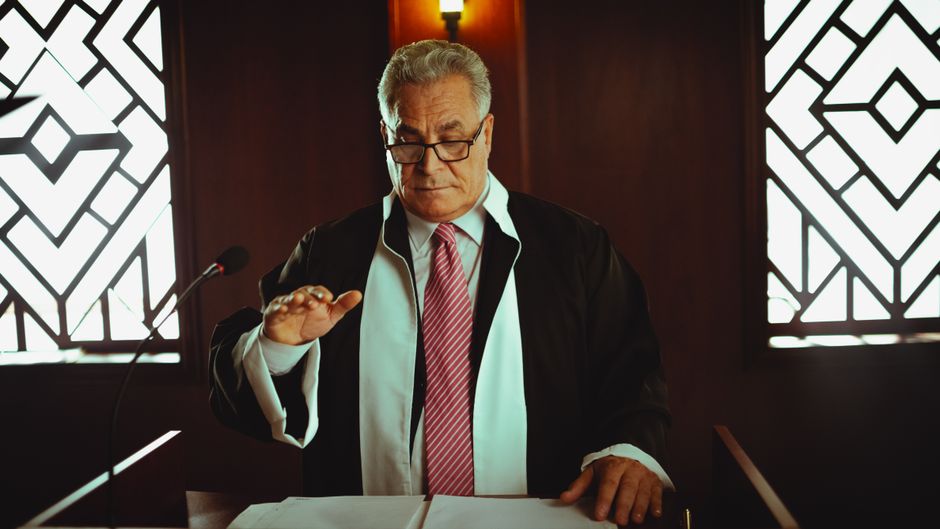
Show Trial frames the debate here: The recent interview with Larry Sanger, co-founder of Wikipedia, matters now because it shines a light on the “Show Trial” that led to his indefinite ban from the site, raising questions about intellectual diversity and censorship. This debacle has sparked a heated debate about the role of dissenting voices in online communities, with many arguing that Sanger’s ban is a prime example of a “Show Trial” where the outcome was predetermined.
Sanger, who helped launch Wikipedia in 2001, has been an outspoken advocate for reforming the site’s policies to promote intellectual diversity. According to a report by Breitbart News, his efforts to form a group on the site to advocate for these reforms were met with resistance from other editors, ultimately leading to his ban. The incident has sparked a wave of criticism, with one editor likening the process to a “show trial,” implying that the outcome was predetermined and that Sanger was not given a fair hearing.

The context of this interview is crucial, as it comes at a time when concerns about censorship and intellectual diversity are on the rise. Wikipedia, as a platform, has long been seen as a bastion of free speech and open debate, but Sanger’s ban has raised questions about whether the site is truly committed to these values. As Sanger himself has argued, the lack of intellectual diversity on the site can lead to a kind of “groupthink” where certain perspectives are suppressed, and dissenting voices are silenced.
In the interview, Sanger’s concerns about the lack of intellectual diversity on Wikipedia are well-articulated, and his calls for reform are hard to dismiss. According to the report, Sanger argued that the site’s policies need to be reformed to allow for a more diverse range of perspectives, and that the current system is stacked against those who hold dissenting views. While his criticism of the site’s moderation policies is scathing, it is also thought-provoking, and raises important questions about the role of moderation in online communities.
What landed
The strongest moment in the interview comes when Sanger argues that the site’s ban on him is a clear example of the kind of censorship that he has been warning about. As he points out, the ban is not just a personal attack on him, but also a warning to others who might dare to challenge the site’s entrenched interests. Sanger’s argument that the site needs to be more open to diverse perspectives is well-made, and his critique of the site’s moderation policies is devastating. As he notes, the site’s current system is designed to suppress dissenting voices, and to maintain the status quo, rather than to promote free speech and open debate.
What doesn’t add up
However, what doesn’t add up is the site’s claim that Sanger’s ban is due to his alleged “disruption” of the community. As the report notes, Sanger’s efforts to form a group to advocate for policy reforms were seen as a threat by some editors, who accused him of trying to “hijack” the site. But this claim is hard to square with Sanger’s own account of events, which suggests that he was simply trying to promote a more diverse range of perspectives on the site. The contradiction between the site’s official line and Sanger’s own account raises questions about the true motives behind his ban, and whether the site is truly committed to intellectual diversity.
The stakes are high, and the implications of this incident go far beyond Wikipedia. As the internet continues to evolve, and online communities become increasingly important, the question of how to balance free speech with moderation is becoming more pressing. The outcome of this controversy will have a significant impact on the future of online debate, and will determine whether sites like Wikipedia are truly committed to promoting intellectual diversity, or whether they are simply paying lip service to these values. As Sanger’s ban takes effect, one thing is clear: the future of free speech online hangs in the balance, and the consequences of this “Show Trial” will be felt for a long time to come.

Source: OnTheRecord