
The world is watching as SpaceX tightens its grip on the satellite market with its latest launch of 24 Starlink satellites. With an IPO on the horizon, one can’t help but ask: are we witnessing the dawn of a new era in space commerce or just another tech bubble waiting to burst?
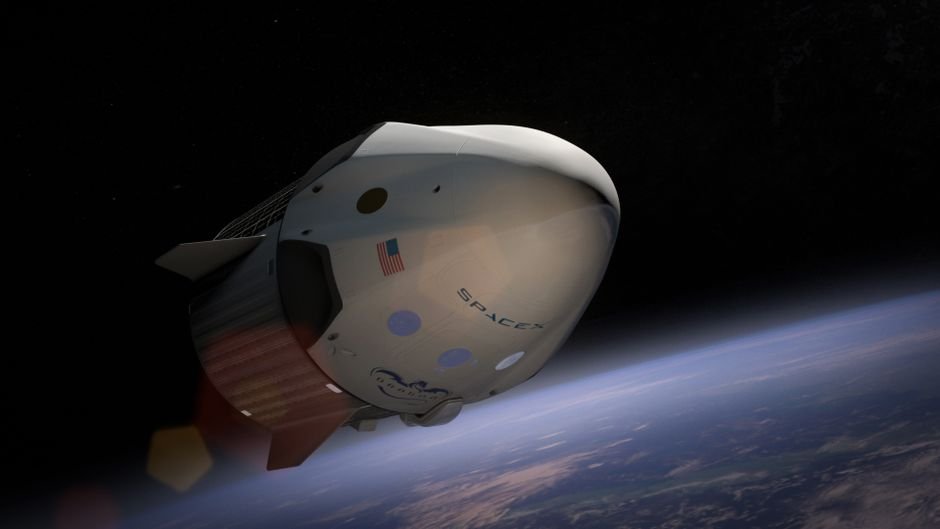
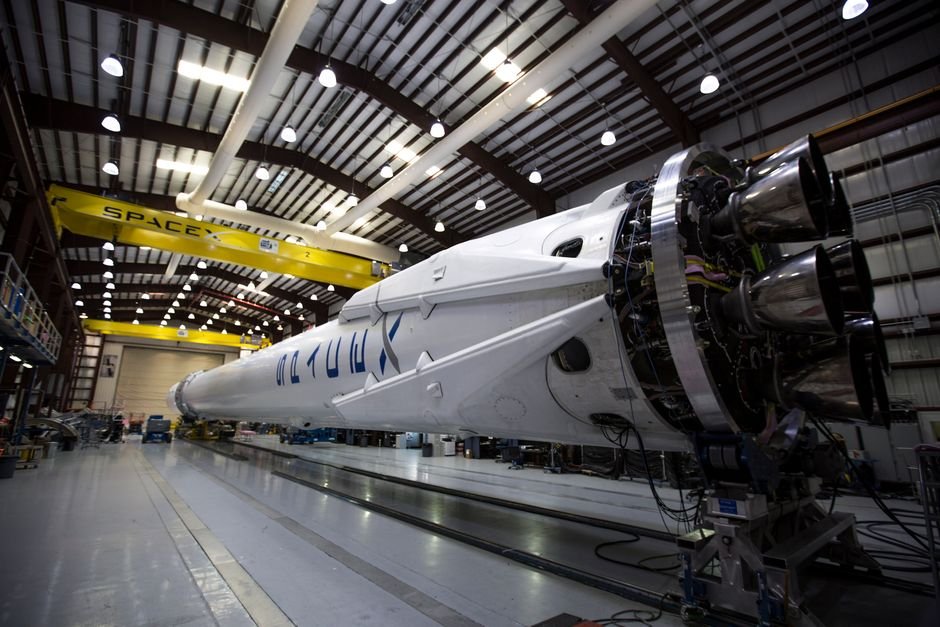
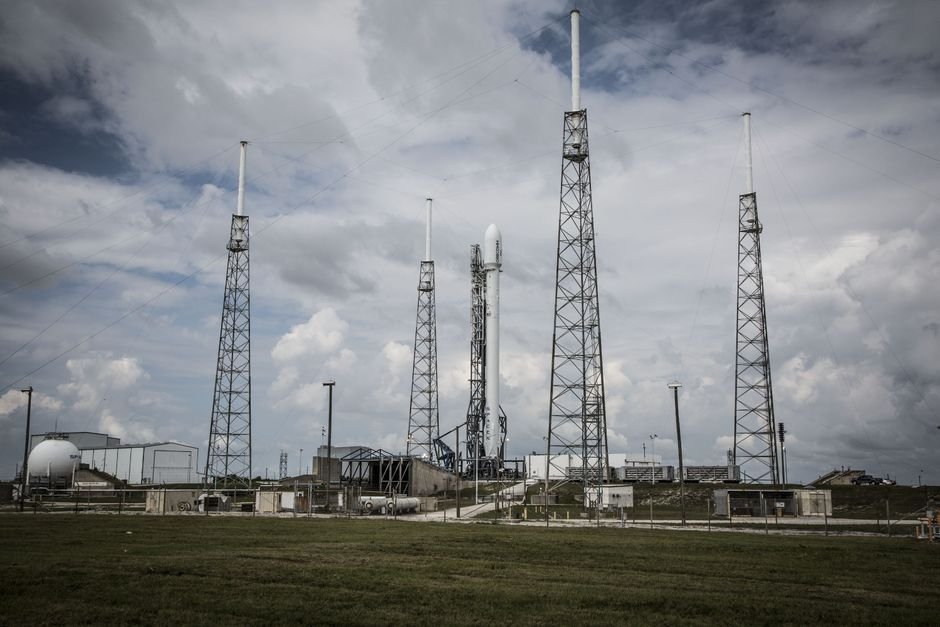
According to Space.com, the Falcon 9 rocket successfully lifted off at 11:05 a.m. EDT on Thursday, June 11, sending these satellites into orbit. This latest mission is part of SpaceX’s ongoing efforts to expand its Starlink constellation, which aims to provide global broadband internet coverage.
The Stakes of Starlink and the Market
The impending SpaceX IPO has created a frenzied buzz in financial circles. Investors are eagerly anticipating how the market will react to the launch of Starlink’s public offering. This trend is not just about commercial space ventures; it’s a race against tech behemoths like Amazon and OneWeb, who are also aiming to capture the lucrative satellite internet market. The stakes are high: not only do SpaceX’s Starlink satellites promise to connect the unconnected, but they also threaten to reshape telecommunications, a sector ripe for disruption.
However, there’s a darker undercurrent to this excitement. The rapid deployment of Starlink satellites raises environmental concerns regarding space debris and the potential for light pollution. Critics argue that this burgeoning satellite constellation could hamper astronomical observations and worsen the already precarious situation of space junk orbiting Earth. SpaceX is quick to tout its commitment to sustainability, but the reality remains: as we inch closer to a fully commercialized space, will profit outweigh our moral obligations to preserve the cosmos?
The Hot Take on Starlink’s Future
Make no mistake: SpaceX is in the driver’s seat of the space race. However, this comes with risks that investors and the public must acknowledge. The company’s ability to execute is impressive, hence why they’ve garnered a loyal following. On the flip side, the sheer ambition of their plans — deploying thousands of satellites — raises questions about scalability and operational challenges. What happens when the technology falters?
Moreover, the IPO is not just about numbers; it’s a cultural marker. SpaceX is betting that its vision for Starlink can capture the hearts (and wallets) of a populace that craves connectivity. Yet, with every launch, we must ask: at what cost? If successful, Starlink could indeed redefine the internet landscape, but failure could leave a trail of disappointed investors and a tarnished reputation.
As we stand at the intersection of technology and finance, the unfolding story of Starlink exemplifies the risks and rewards that define our current age. The potential for unprecedented connectivity is exciting, yet the ethical implications are daunting.
The question lingers: will Starlink be the shining star in SpaceX’s portfolio, or will it fizzle out under the weight of its own ambitions? As we approach the IPO, we must keep our eyes peeled — both for the brilliance of innovation and the shadow of reality.
Source: Space.com