Is it possible that the key to understanding our own planet’s climate lies in the distant twilights of an alien world? The latest findings from the James Webb Space Telescope challenge our assumptions about exoplanets, opening new frontiers in the field of science. According to ScienceDaily, astronomers have revealed two entirely different twilight phenomena on the same planet, painting a picture of atmospheres that may be more complex than we ever imagined.
The Latest in Exoplanet Science
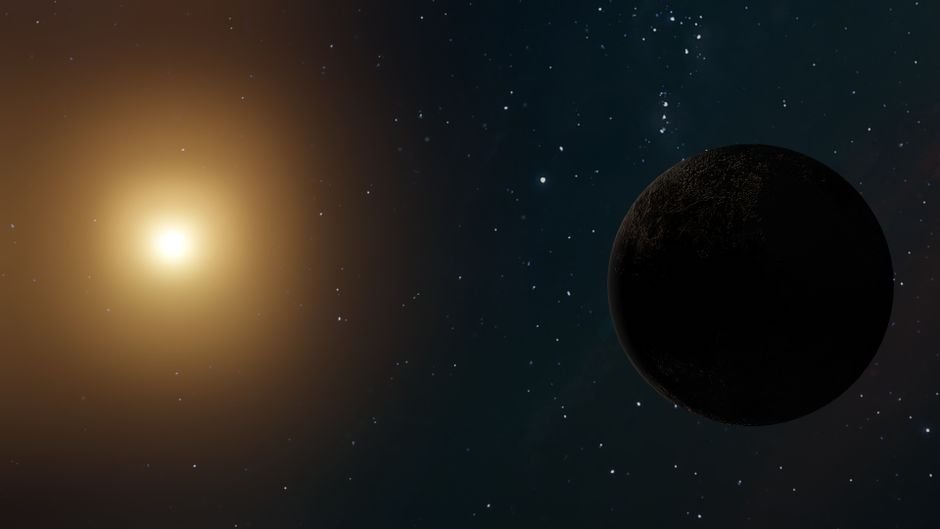
The James Webb Space Telescope has managed to capture unprecedented details of an alien world, showcasing not one, but two distinct twilight phases. As reported on June 11, 2026, these observations raise fundamental questions about how we understand atmospheric science across different planets. The implications of this research could reshape our grasp of atmospheric phenomena, not just in far-off worlds but also right here at home on Earth.
What makes this discovery so vital is that it holds the potential to illuminate the processes behind climate change. As we wrestle with unprecedented heatwaves, wildfires, and unpredictable weather patterns, the study of alien atmospheres could provide critical insights. If we can detect different twilight experiences on exoplanets, we might just find parallels that help us understand our own rapidly shifting environment.
Why This Discovery Matters
Understanding the atmospheric conditions of distant worlds is not just an academic exercise; it’s a pressing need in our current state of climate emergency. With the James Webb findings, we are forced to confront an uncomfortable truth: Earth is not unique, but our knowledge about its atmosphere is markedly limited. The contrast in twilights on this alien planet serves as a reminder that while we look to the stars for answers, we may also discover the tools needed to combat our own environmental crises.
Moreover, the research community is not just observing these alien twilights for fun. The broader implications for science could resonate through various fields — from climate modeling to future space exploration. Understanding how an alien atmosphere can support different twilight conditions might offer clues on the habitability of other planets. It poses a critical question: if we learn to manage our own atmospheric anomalies, could we potentially pave the way for life beyond Earth?
While some may argue that focusing on distant worlds diverts attention from our immediate environmental challenges, I say it’s precisely the opposite. These explorations aren’t distractions; they are vital blueprints for our survival. The intersection of science and climate action is no longer a choice but a necessity.
The Stakes of Ignorance
Yet, the scientific community must tread carefully. There’s a danger in over-extrapolating the significance of this discovery without fully understanding the underlying complexities of planetary atmospheres. As exciting as these findings are, they should also serve as a cautionary tale that highlights the intricate dance of variables that govern not just alien worlds, but our own. This tension between hope and skepticism is the hallmark of genuine scientific inquiry.
To dismiss the revelations from the James Webb Space Telescope as merely a footnote in the bigger narrative of climate change would be foolish. The reality is stark: our own twilight is darkening. With scientific exploration opening avenues for understanding, we must seize these moments of insight with urgency and humility. The stakes have never been higher; the paths we choose today will shape the world of tomorrow, both on Earth and light-years away.
As we marvel at twilights that dance on distant shores, let us not forget the twilight looming here at home. Are we ready to re-evaluate what these scientific revelations mean for the future of our own planet? The clock is ticking, and the universe is watching.
Source: Google — Space & Science