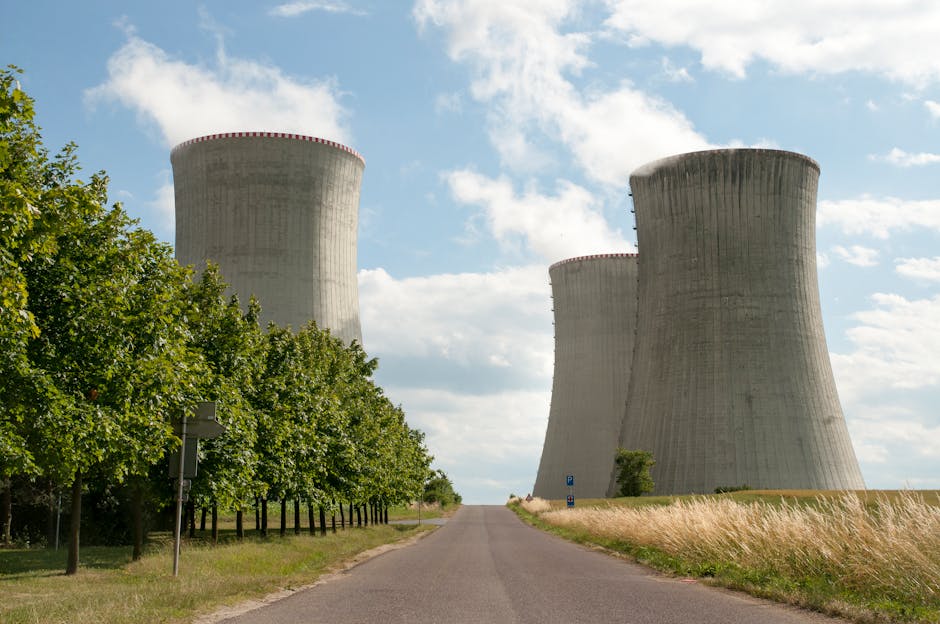
Artificial intelligence Nuclear frames the debate here: Are we about to witness a nuclear renaissance, or is this just another case of technology’s smoke and mirrors? According to the Nuclear Energy Agency (NEA), the buzz around artificial intelligence isn’t just limited to chatbots and predictive text. It now claims that AI could be a game-changer for the nuclear energy sector, potentially slashing costs and accelerating deployment.
Why artificial intelligence Nuclear matters now
This revelation comes at a critical time when the world is scrambling to meet energy demands while battling climate change. Traditional nuclear projects have been plagued by delays and ballooning budgets. Now, the NEA is suggesting that harnessing AI could streamline processes, enhance safety protocols, and ultimately make nuclear energy more viable and affordable.
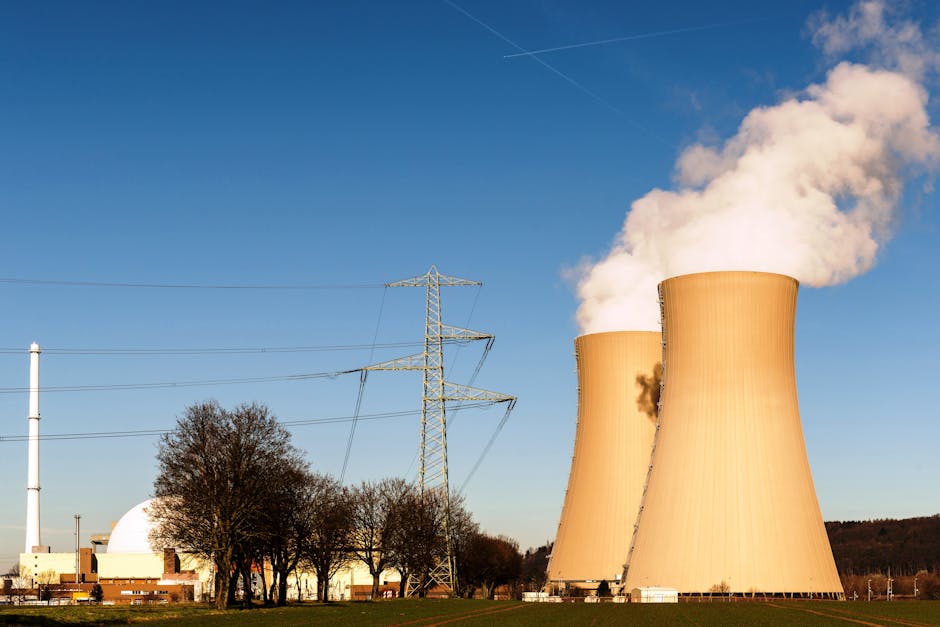
Why is this so important? The global energy landscape is shifting. Nations are waking up to the harsh realities of fossil fuel dependency and the ticking clock of climate change. Nuclear energy, often labeled as a toxic relic of the past, is being re-evaluated for its potential to provide a steady, low-carbon energy source. The players in this arena range from governments to private enterprises eager to fuel their ambitions with clean energy solutions. If AI can deliver on its promises, it could very well redefine nuclear energy’s role in our future.
The stakes around artificial intelligence Nuclear
However, let’s not get ahead of ourselves. The mainstream narrative around AI’s transformative power often overlooks the complexities involved in real-world implementation. While AI can indeed optimize certain processes, it cannot eliminate the fundamental challenges facing nuclear energy—namely public perception, waste management, and regulatory hurdles. Remember, this is a sector already on shaky ground, with a history marred by accidents and governmental indecision.
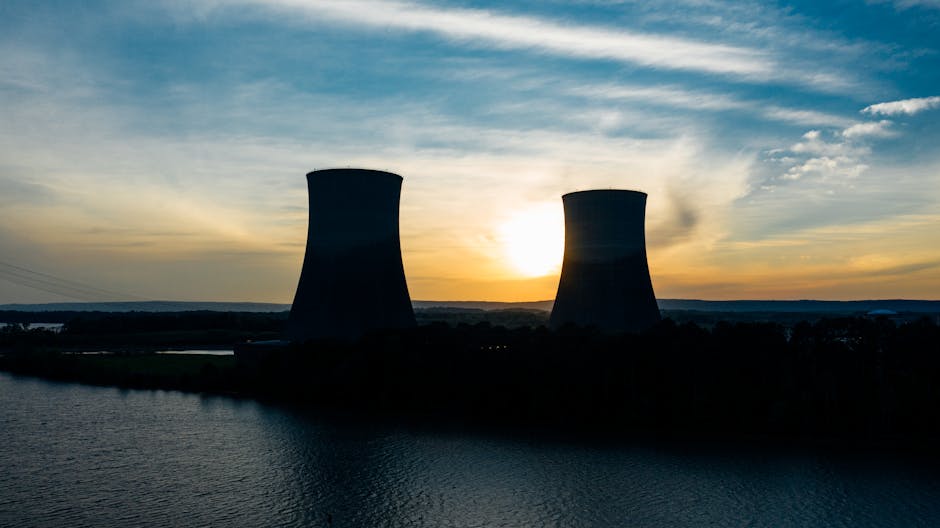
The potential wins are tantalizing: faster project timelines, lower costs, and perhaps even a rebirth of public confidence in nuclear energy. Yet, the risks of depending too heavily on AI are equally significant. What if this technology fails to deliver? What happens when complacency creeps into a sector where safety is non-negotiable? The stakes are high, and the consequences of miscalculation could be catastrophic.
Moreover, we should question who stands to benefit most from this AI-driven nuclear push. Are we truly prioritizing safer, cleaner energy for the masses, or are we inviting a new wave of corporate interests that benefit from quick profits over long-term sustainability? One must consider the ethical implications of letting algorithms dictate energy policies that impact millions.
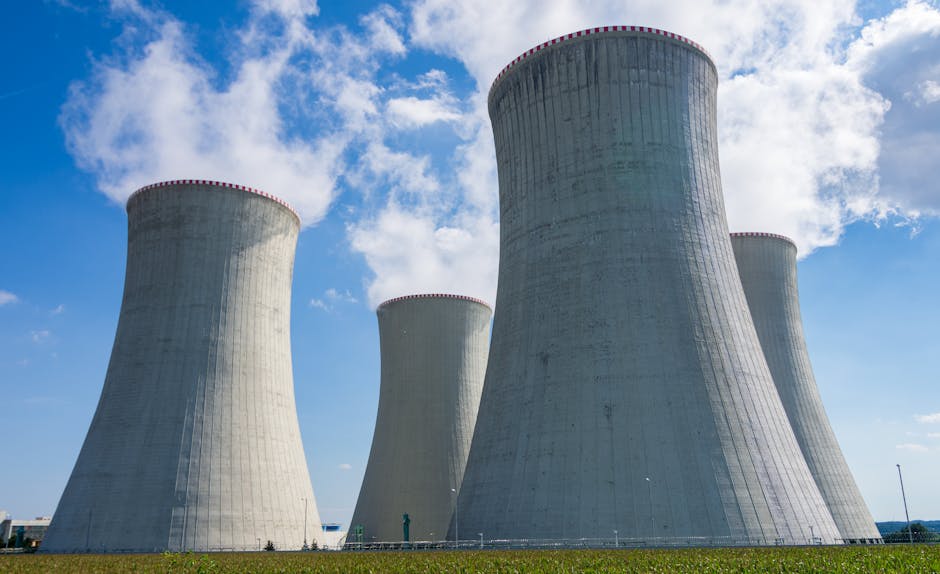
The NEA may be genuinely optimistic about the prospects of AI in the nuclear arena, but history teaches us to be wary of too-good-to-be-true promises. What we’re seeing is a clash of old and new paradigms: the age-old fear of nuclear catastrophes versus the modern allure of AI’s limitless possibilities.
As we stand on the precipice of what could be a nuclear revival, it’s worth asking: will we be pioneers of a clean energy utopia, or will we find ourselves trapped in a cycle of technological overreach? Only time will tell, but one thing is for certain: the debate over nuclear energy is far from over, and AI may just be the wild card in this high-stakes game.
Source: Google — Technology & AI
That tension around artificial intelligence Renaissance is not going away.