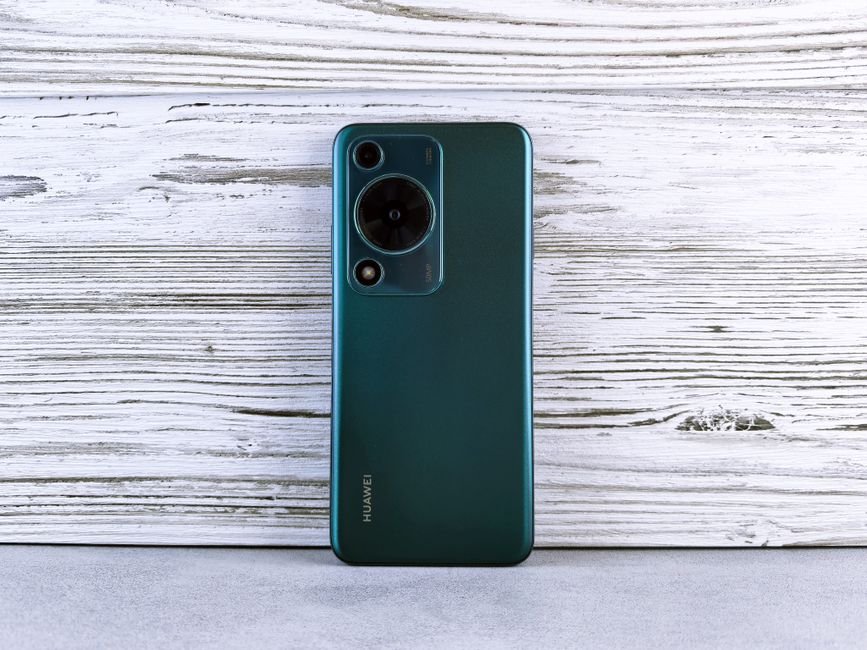
The European Commission’s decision to ban Huawei represents a seismic shift with repercussions that extend far beyond the tech industry. Is Europe willing to sacrifice innovation on the altar of geopolitical tensions? According to The Corner.eu, the Spanish government has publicly opposed this ban, raising eyebrows across the continent and igniting a fierce debate about the future of telecommunications in Europe.
The European Commission’s ban aims to limit Huawei’s access to critical markets, citing national security concerns. Spain, however, stands in stark contrast, arguing that such a move would stifle competition and innovation. This divergence highlights a growing rift within the EU, as member states navigate the murky waters of international relations while trying to safeguard their own economic interests.
The Stakes of Europe’s Tech Landscape
Spain’s resistance to the ban is more than just a national quirk; it reflects a broader philosophical disagreement within Europe regarding how to handle external pressures, particularly from the United States, which has long positioned Huawei as a national security threat. The complex web of alliances, economic dependencies, and historical rivalries is playing out in a way that could either unite or fragment Europe even further.
At stake here is not just Huawei’s future but Europe’s technological sovereignty. If the ban goes through, smaller European companies could struggle against entrenched players in the market, leading to higher costs and slower innovation. Moreover, a fragmented approach risks leaving Europe in the dust as global tech leaders, particularly in Asia, continue to innovate unencumbered.
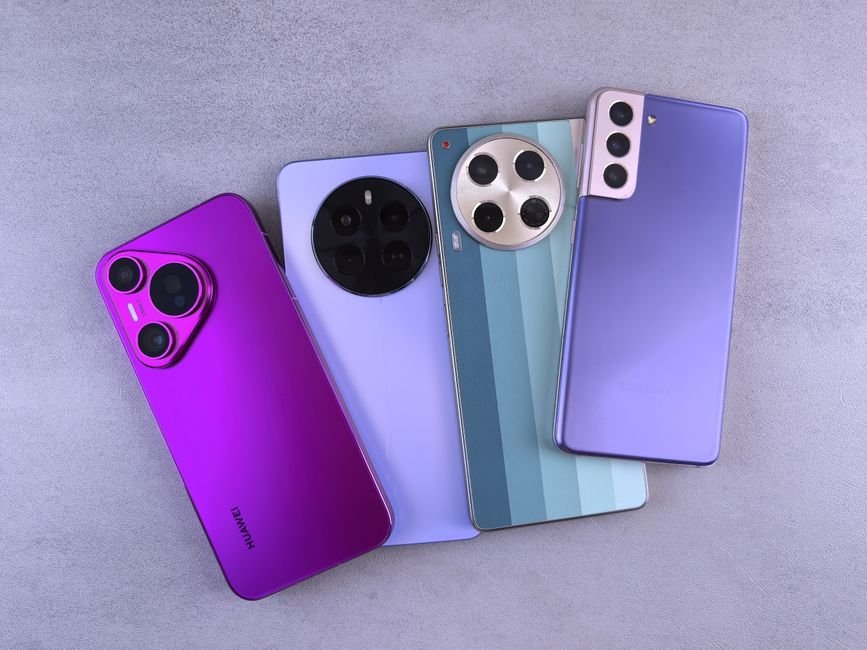
Who Wins and Who Loses?
So, who emerges victorious in this battle of wills? If the European Commission holds firm, it could claim a moral high ground, positioning itself as a defender of democratic values against perceived threats. However, this could backfire spectacularly if it stifles the very innovation it aims to protect. The losers, in this case, are not just the consumers who may face higher prices and fewer options but also Europe as a whole, which risks falling behind in the tech race.
Spain’s objections signal a pushback from countries that are not willing to cede their tech landscape to external pressures without a fight. This could embolden other member states to voice their concerns, leading to a more fractured EU. On the other hand, if countries stand united against this ban, they might just create a counter-narrative that prioritizes homegrown innovation over geopolitical maneuvering.
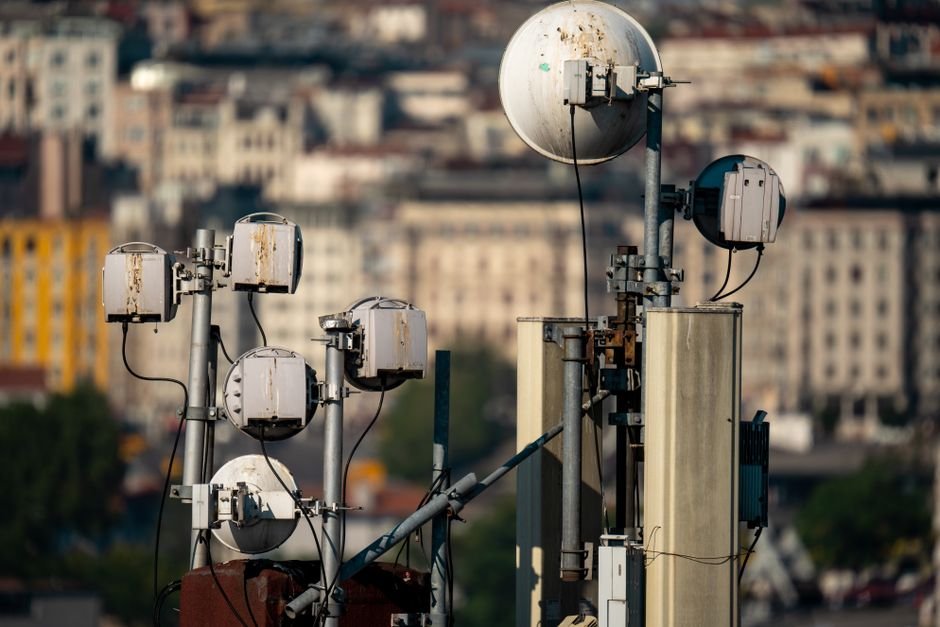
The irony here is palpable: Europe, which prides itself on promoting unity and collective decision-making, could end up in a situation where internal discord jeopardizes its technological future. This is a dangerous game with high stakes.
As Europe grapples with this critical decision, one must wonder: will it choose to prioritize national interests over collective security, or will it succumb to external pressures that could fundamentally alter its tech landscape? The answer could define not only the future of telecommunications in Europe but also its position in the global arena. The clock is ticking, and the consequences are anything but trivial.
Source: Google — UK & Europe