
What if I told you that the future of national security hinges on technology, yet we’re still fumbling in the dark? In a rapidly evolving world, former President Trump’s recent National Security AI Memo throws some light on the need for strategic oversight but leaves many critical questions unanswered.
According to the Council on Foreign Relations, Trump’s memo outlines an urgent call for a cohesive strategy regarding artificial intelligence in national security. It underscores the importance of harnessing technology for defense, yet it fails to address key issues such as ethical considerations and the potential for misuse.

The Stakes of Technology in National Security
In an era defined by technological advancement, the stakes couldn’t be higher. The memo emerges against a backdrop of increasing geopolitical tensions, particularly with adversaries like China and Russia, who are aggressively integrating AI into their military and intelligence operations. The players in this arena aren’t just nation-states; tech giants and startups are also vying for a share of influence. This presents a dual-edged sword: while technology can bolster national security, it can equally empower malign actors if left unchecked.
What’s alarming is that while the memo identifies the need for a comprehensive framework, it glosses over the ethical dilemmas inherent in AI development. When tech becomes intertwined with national defense, the risk of creating autonomous weapons systems raises profound moral questions. Are we prepared to entrust machines with decisions that could lead to loss of life? The memo might suggest urgency, but it remains vague when it comes to the guidelines that should steer the ethical use of these technologies.

Missed Opportunities in Technology Policy
It’s easy to throw around buzzwords like “AI” and “national security,” but doing so without a robust policy framework is reckless. Trump’s memo could have taken the opportunity to advocate for regulations that ensure transparency, accountability, and ethical standards in AI development. Instead, it feels like a vague wishlist rather than a substantive call to action.
Moreover, the focus on technology as a unilateral solution masks a deeper issue: the need for interdisciplinary collaborations between technologists, ethicists, and policymakers. By neglecting to unify these voices, we risk creating a fragmented approach that could lead to disastrous outcomes. The mainstream narrative often overlooks these complexities, promoting a simplistic view of technology as a silver bullet rather than the nuanced tool it is.
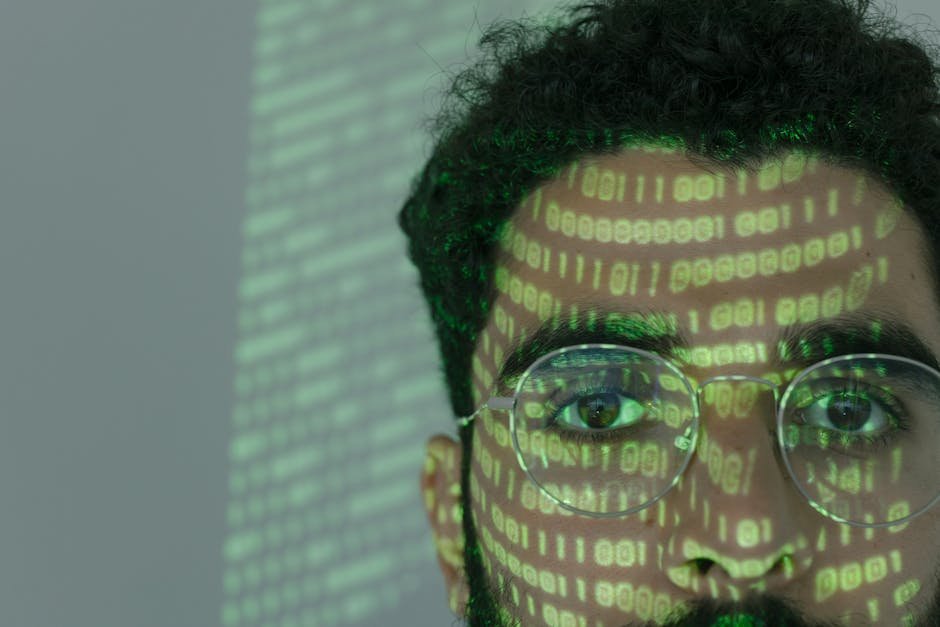
In this high-stakes game, who truly benefits? Technology companies stand to gain immensely from military contracts, but who is watching the watchmen? If we continue to prioritize speed and innovation over ethical governance, we may find ourselves on the wrong side of history. The memo barely scratches the surface, creating a dangerous vacuum that allows for potential exploitation.
As we stand at this crossroads, the tension between technological advancement and ethical responsibility looms large. Will we take the bold steps needed to ensure that technology serves humanity rather than endangers it? The answer, as it stands, remains shrouded in uncertainty.
In this crucial juncture where technology and national security intersect, let us not fall prey to tech-worship without accountability. The future is too important to be left to chance or whim. Let’s start asking the tough questions now, before it’s too late.
Source: Google — Technology & AI