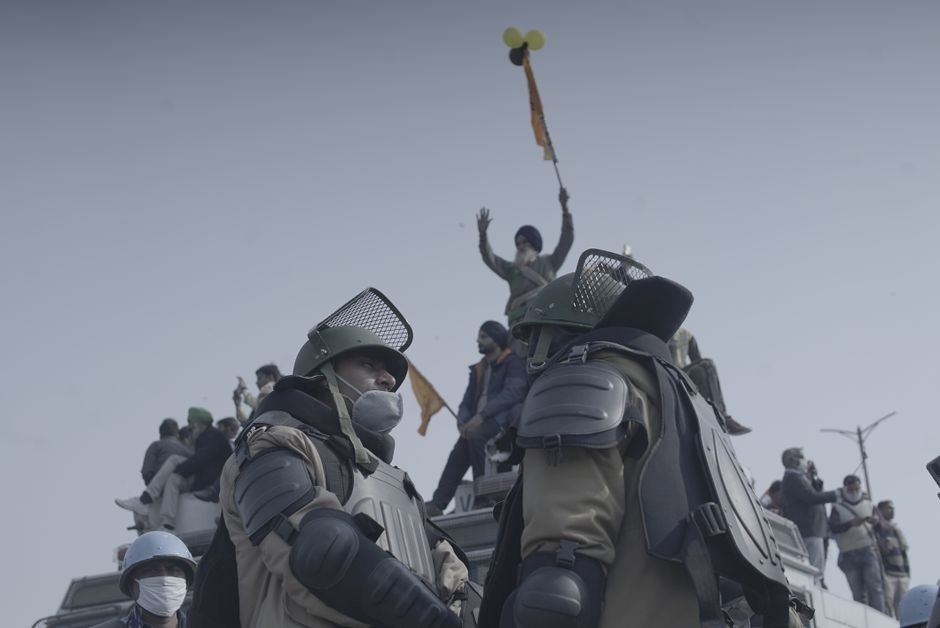
The recent unrest in Pakistan-administered Kashmir is a ticking time bomb in the already volatile landscape of South Asia. Is this the beginning of a dangerous new chapter or merely a fleeting moment in a long-standing conflict?
According to Al Jazeera, recent protests have erupted in the region, fueled by a mix of political tensions, economic grievances, and civil rights issues. Demonstrators are taking to the streets to voice their discontent against both local authorities and the broader Pakistani government’s policies.
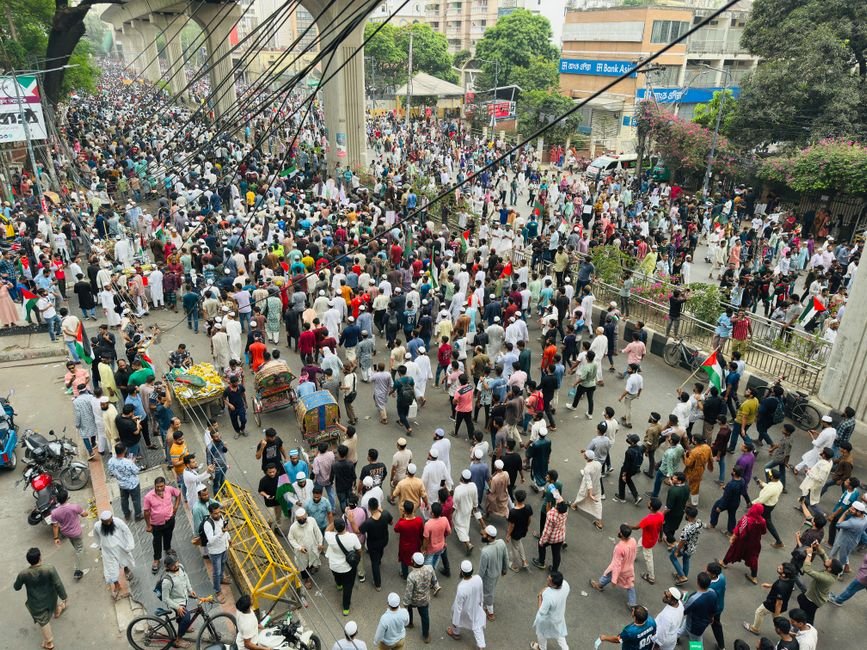
Context: The Tumultuous Landscape of South Asia
Why does this unrest matter now? South Asia has been a hotbed of conflict for decades, with Kashmir being one of its most contentious regions. The complex interplay between India and Pakistan has long overshadowed the aspirations of the Kashmiri people themselves. Currently, the region is grappling with rising unemployment, curtailment of civil liberties, and an increasingly militarized response from authorities.
The players are clear: local separatists and activists are at odds with a government that seems out of touch with the grassroots realities. The international community watches, often hesitant to intervene in a matter steeped in historical animosities and national pride. The implications of this unrest extend far beyond Kashmir; they reverberate across the entire South Asia region, potentially destabilizing neighboring countries.
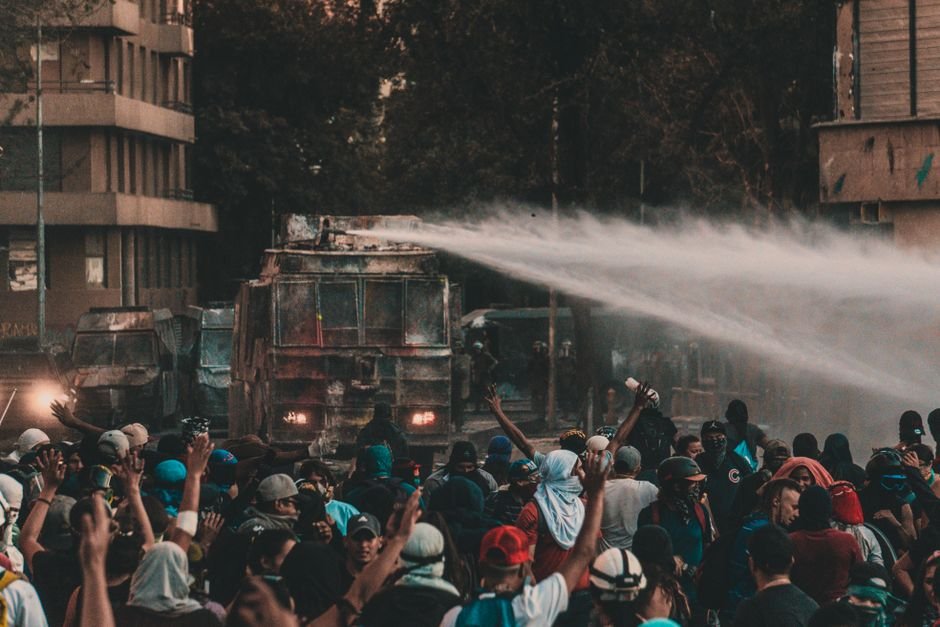
Hot Take: Stakes and Consequences in South Asia
So, who stands to gain from this chaos? The government may double down on its oppressive tactics, believing that brute force can quell dissent. A heavy-handed response could lead to increased radicalization among younger Kashmiris, pushing them further away from any hope of reconciliation. Alternatively, if the government seeks to engage with the protesters, it may risk alienating hardliners who believe any concession is a sign of weakness.
The mainstream narrative often overlooks the potential for a new generation of leaders to emerge from this unrest. These leaders could harness technology and social media to rally support, mobilizing voices that have long been silenced. This digital age could empower activists to transcend traditional boundaries, creating a movement that challenges both local and national authorities.
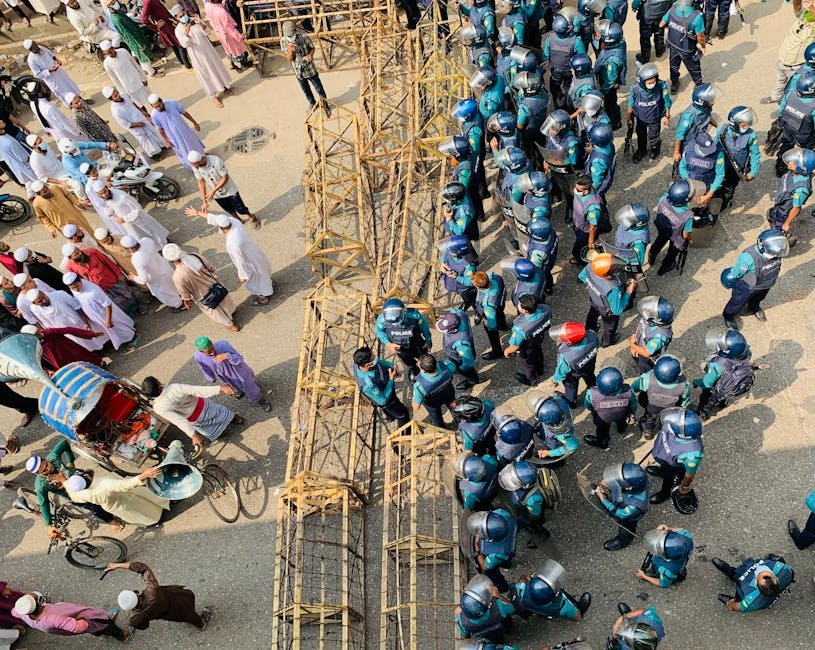
However, there’s also a significant risk that the turmoil could spiral into wider violence, exacerbating the already fraught relations between India and Pakistan. The Kashmir issue has always been more than a local conflict; it’s a geopolitical chess game with global implications. If left unchecked, the unrest could easily ignite tensions in other parts of South Asia, drawing in powers like the United States and China, which have vested interests in the region.
As the situation unfolds, one thing is clear: the unrest in Pakistan-administered Kashmir is not just a local issue; it’s a crucial chapter in the ongoing saga of South Asia. How this will play out remains uncertain, but the stakes have never been higher. Will peace or chaos reign supreme in the region?
In a world where the lines between technology and social upheaval increasingly blur, the question remains: can South Asia transcend its bloody history, or are we merely witnessing the prelude to an even darker chapter? Only time will tell.
Source: Google — South Asia