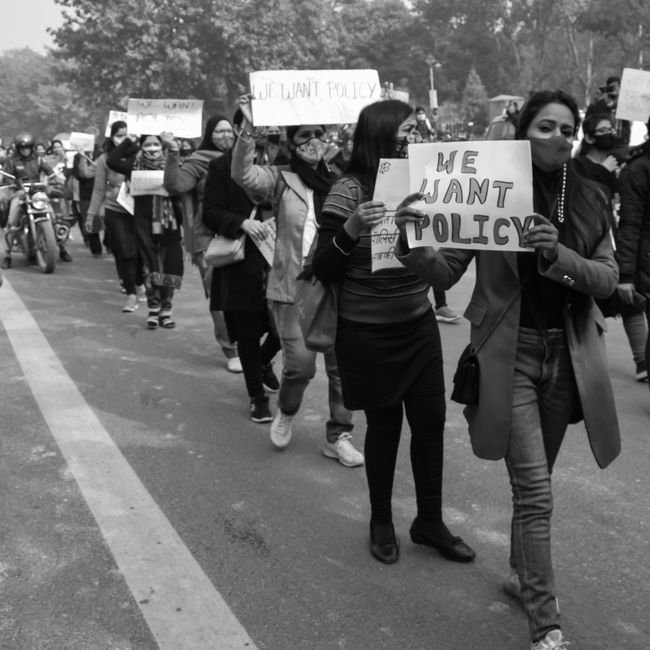
In a disturbing twist for the people of Jammu and Kashmir, the designation of a protest movement as "terrorism" raises the bar for state repression in South Asia. How far will governments go to silence dissent? This recent crackdown is not just a local issue; it reverberates across the entire region, unsettling the already fragile balance of power and human rights.
According to Amnesty International, the alarming classification of protesting voices as terrorists marks a dangerous escalation in the ongoing suppression of dissent in Jammu and Kashmir. This move comes against a backdrop of heightened tensions and crackdowns in the region, where the government has been accused of using increasingly repressive tactics to stifle opposition and maintain control.
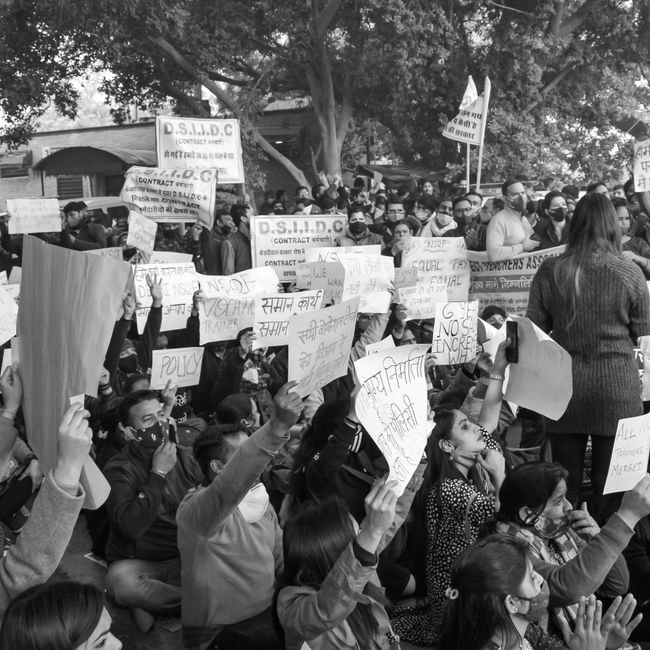
The Context of Dissent in South Asia
Understanding the significance of this designation requires a closer look at the historical and political landscape of South Asia. Jammu and Kashmir has been a flashpoint for conflict between India and Pakistan, each claiming the region but neither willing to relinquish its grip. For decades, residents have voiced their discontent through protests, often clashing with security forces. This latest crackdown is not only a tactic of suppression but a signal to other potential dissidents that they, too, could be labeled as terrorists for merely expressing their grievances.
The players in this dangerous drama include the Indian government, which has ramped up military presence and surveillance in the region, and various separatist groups that advocate for independence or closer ties to Pakistan. This designation is more than just a label; it’s a strategic maneuver to delegitimize the voices pushing for autonomy and rights in a region that has seen too much bloodshed and too little justice.
Analyzing the Fallout
So, who wins and who loses in this chilling scenario? The Indian government may gain short-term stability from silencing dissent, but at what cost? By labeling a legitimate protest movement as terrorism, they risk further alienating disaffected populations, fueling resentment, and perhaps even more violent resistance. The broader implications for South Asia are unsettling: when governments start to brand cries for justice as terrorism, they set a precedent that could inspire similar actions in neighboring countries.
On the other hand, human rights organizations and activists will undoubtedly be galvanized by this draconian tactic. The pushback against such oppressive measures could see a revival of international attention on the region, but it’s a double-edged sword. Increased scrutiny could lead to a harsher crackdown, making an already volatile situation even more dangerous for grassroots movements.
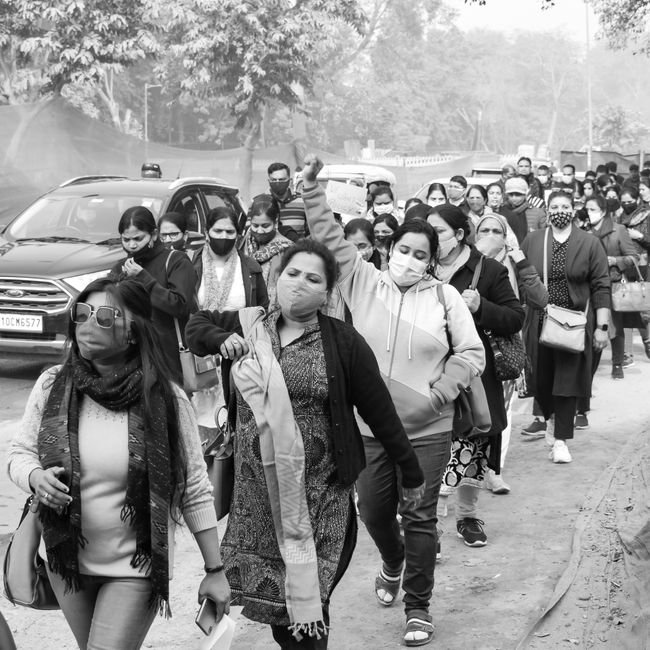
Furthermore, the mainstream narrative often ignores the complexities of the issues at hand. The media tends to sensationalize terrorism while glossing over the root causes of unrest—poverty, lack of representation, and human rights abuses that have plagued Jammu and Kashmir for decades. By labeling protesters as terrorists, the real issues are conveniently sidelined, allowing oppressive regimes to deflect responsibility for their failures.
The situation in Jammu and Kashmir serves as a stark reminder of the precarious state of human rights in South Asia. As governments deploy counterterrorism rhetoric to quell legitimate dissent, we must ask ourselves: how long before we, too, accept such labels as a norm? The power of protest is being extinguished, and the echoes of silenced voices serve as a chilling reminder of the price of freedom.
As history has shown us, when protests are met with persecution, the spirit of resistance can become a wildfire. Will the people of Jammu and Kashmir rise from the ashes of this latest designation, or will they be crushed under the weight of oppressive governance that claims to protect but ultimately punishes? Only time will tell, but we must remain vigilant and aware, for silence in the face of injustice is complicity itself.
Source: Google — South Asia