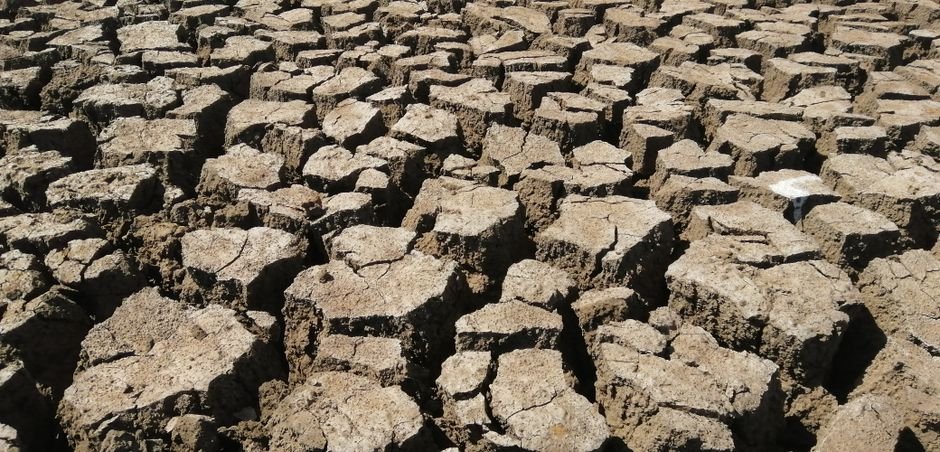
Water wars are no longer a dystopian fantasy; they are the grim reality facing farmers across South Asia. With wells running dry and resources dwindling, the specter of conflict over this essential commodity looms larger every day.
According to The Guardian, farmers in Bangladesh are staring down an apocalyptic scenario where water scarcity threatens their very survival. Many are already feeling the effects of this crisis, as rising temperatures and decreased rainfall strain their ability to cultivate crops.
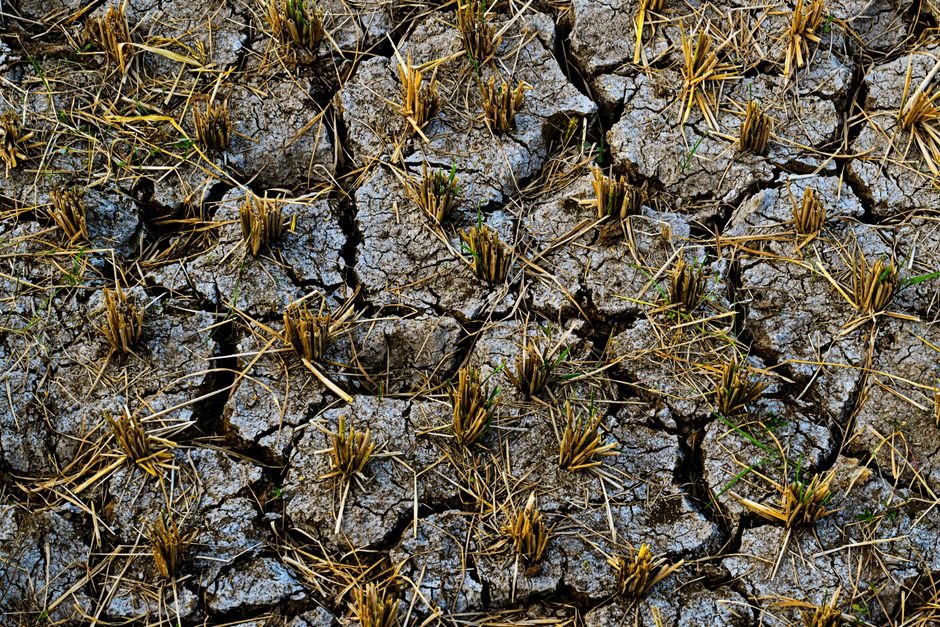
The Drought that Defines South Asia
This crisis is not an isolated incident but rather a warning sign for the entire South Asian region. Years of mismanagement, over-extraction, and climate change have culminated in a perfect storm of water scarcity. Countries like Bangladesh, India, and Pakistan are grappling with dwindling water supplies. Historically, South Asia has faced water management issues, but the current situation is dire. With population growth and urbanization exacerbating the problem, the tension is palpable—not just between farmers and the government but also among communities fighting for the same limited resources.
The implications are staggering. As farmers struggle to secure water for irrigation, their livelihoods hang in the balance. When survival is at stake, desperation can lead to chaos. The Guardian highlights a chilling sentiment echoed by many: “I fear people will go to war over water.” This isn’t just farmers expressing concern; it’s a harbinger of the potential for violent conflict in an already fragile region.
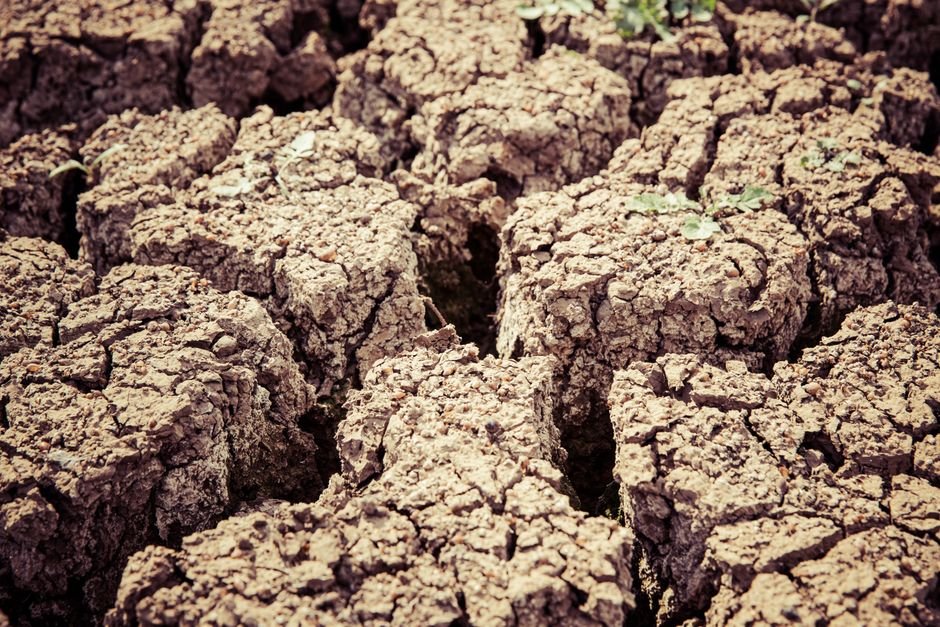
The Stakes of Water Scarcity in South Asia
The question we must ask ourselves is: who stands to lose as this crisis escalates? The farmers, of course, who will see their crops wither and their families suffer. But let’s not overlook the broader implications for stability in South Asia. If water scarcity turns neighbor against neighbor, the ripple effects could destabilize governments and challenge national security. While there’s a roadmap for mitigating this crisis through technological advances and better water management practices, the reality is that most governments are lagging behind.
However, some voices argue that innovation could be our saving grace. There are promising technologies out there designed to enhance water conservation and improve irrigation efficiency. Yet, these solutions require investment and commitment, which are often lacking in the face of urgent crises. Instead of thinking long-term, authorities appear reactive, leading to a cycle of shortsightedness that could plunge the region deeper into chaos rather than averting conflict.
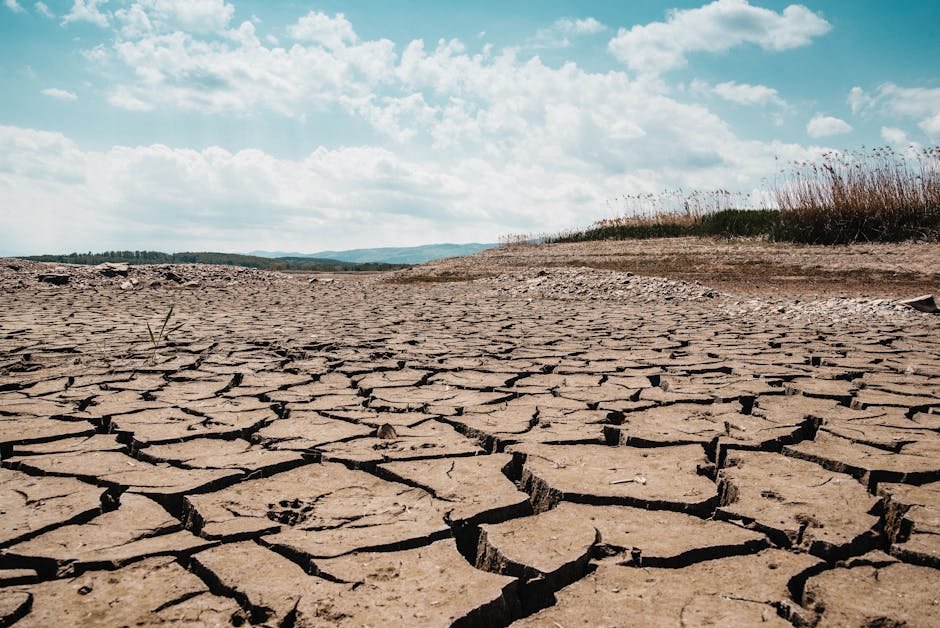
As this crisis unfolds, the mainstream media often paints the picture of climate change as a slow-moving threat. But the reality in South Asia is that we are on the brink of a tipping point. These farmers are not just struggling against the elements; they are wrestling with the very fabric of societal stability. This is about more than water; it’s about survival, dignity, and the very future of communities.
The time for discussions and debates has passed; now is the moment for action. Will we see governments in South Asia take the necessary steps to avert a disaster, or will they let their citizens suffer while they argue over budget allocations? As the wells run dry, the clock is ticking. The next fight over water might not just be with cups and buckets but with fists and fury.
As we stare into the abyss of a potential water conflict, let’s not forget that this is not merely a regional issue—it’s a global concern. If we ignore the plight of South Asia today, we might soon find ourselves in a world where water wars are not just headlines, but the new normal. What will it take for action to happen before we reach that breaking point?
Source: Google — South Asia