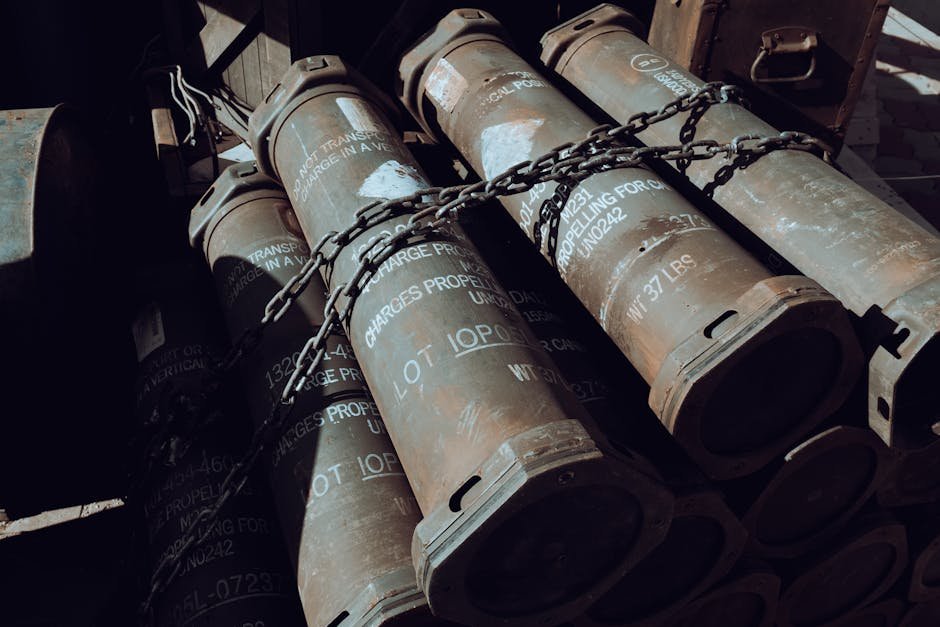
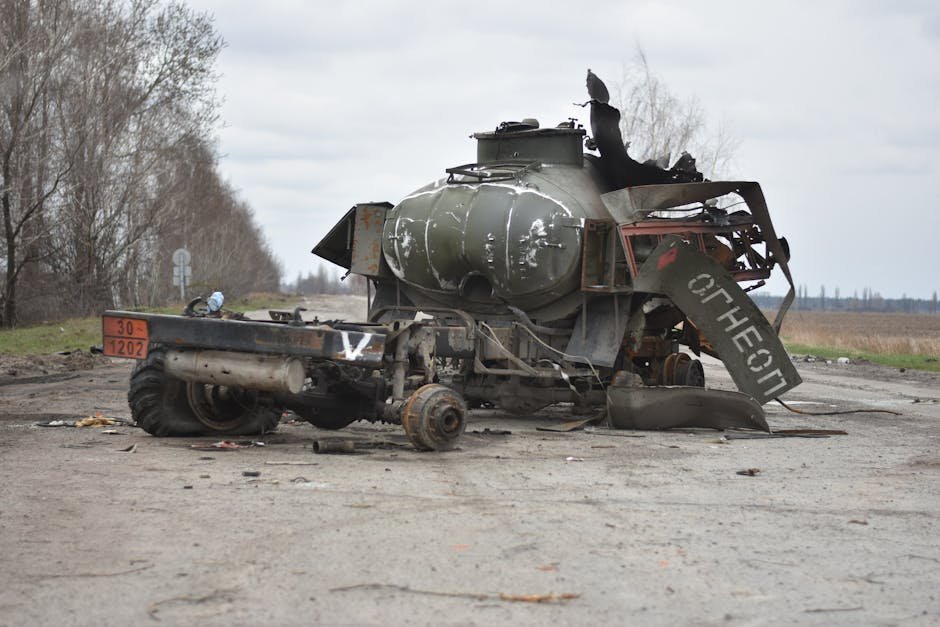
The war in Ukraine is revealing an uncomfortable truth: logistics can be as lethal as artillery. As Kyiv intensifies its strikes on occupied territories, Moscow is grappling with a severe fuel crisis that threatens its military operations and civilian life. According to BBC Business, Ukraine’s actions are effectively choking off supplies to regions under Russian control, exacerbating an already precarious situation.
The Reality of a Fuel Crisis Amid War
This escalation in hostilities comes as Ukraine adopts a more aggressive posture. The Ukrainian military is capitalizing on its newfound capabilities, making it increasingly difficult for Russian forces to maintain not just military operations but also basic supplies to its occupied territories. The Kremlin’s reliance on fuel for both its military machinery and civilian infrastructure is becoming untenable, leading to a situation where the war’s economic pressures might just be as impactful as its battlefield engagements.
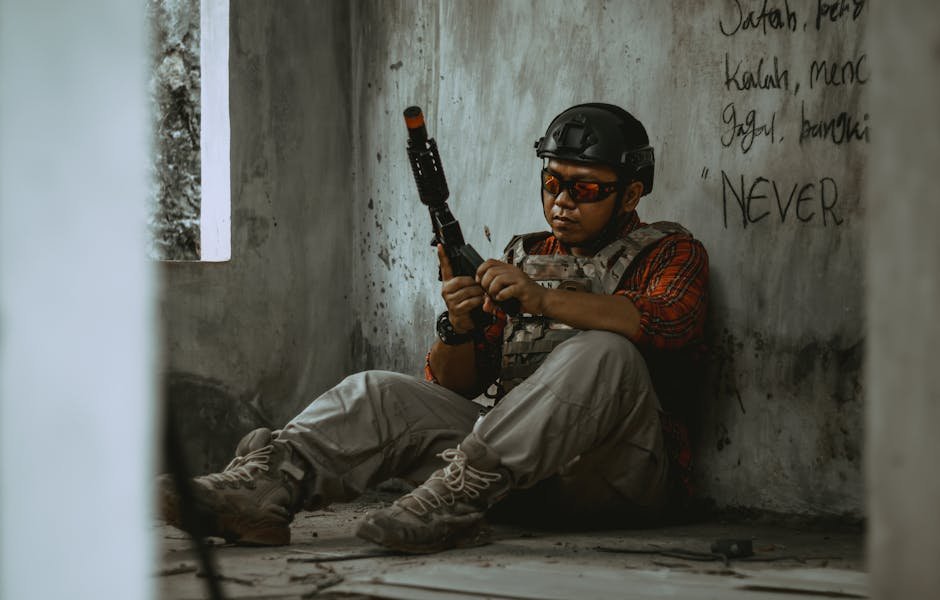
The context here is critical. Russia has long dominated energy resources in the region, and the ongoing war has seen them manipulate these resources as tools of power. However, with Ukraine now proactively targeting supply chains, the Kremlin’s once-imposing grip on the area is beginning to fray. This shift signifies a pivot in the war’s dynamics, where the battlefield is not just the frontlines, but also the supply routes that sustain it.
Who’s Winning the War of Logistics?
As the war grinds on, the stakes are higher than ever. The immediate winner appears to be Ukraine, which is successfully undermining Russian supply lines and asserting its military prowess. Every strike that disrupts Russian logistics deepens the crisis, and it is no exaggeration to say that Ukraine is leveraging its technological advancements to exploit Russia’s vulnerabilities.
But let’s not gloss over the potential fallout. A fuel crisis can lead to desperation. Should Russian forces become cornered by their own inadequacies, the possibility of reckless retaliation looms large. This could escalate into a much broader conflict that touches not only military targets but civilian life, which both sides have tried to shield thus far. Moreover, the mainstream dialogue around this war often overlooks the fact that combat is not solely defined by weaponry; it’s increasingly a battle of supply chains, technology, and timing.
In this light, the war is shifting into a new phase where logistics and technology will be tested like never before. The question remains: how far will Russia go to maintain control over these territories when its resources are dwindling? As its energy crisis deepens, Moscow might find itself resorting to increasingly desperate measures, and this could further spiral out of control.
The war in Ukraine is not just a clash of arms, but a complex interplay of strategy, resources, and technological warfare. As we watch this situation unfold, one thing is certain: the implications of the fuel crisis go far beyond the battlefield. The fabric of modern warfare is being woven right now, and it’s more intricate—and dangerous—than ever. How will this war ultimately reshape the geopolitical landscape? Only time will tell, but the stakes couldn’t be higher.
Source: BBC Business