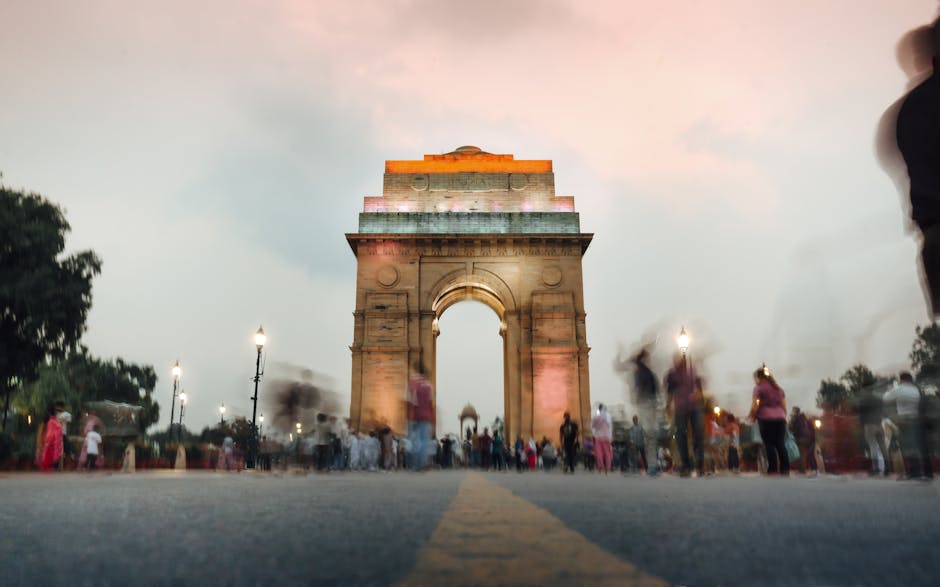
In the grand theater of global economics, South Asia is about to face its most critical act yet. With Prime Minister Narendra Modi entering his third term, the question looms: can India sustain its growth story, or is it destined to fizzle out under mounting pressure? According to CNBC, India’s economic resilience is being tested like never before, with challenges piling up that could reshape the narrative of a nation once hailed as the world’s next economic powerhouse.
The report from CNBC illustrates rising concerns over inflation, unemployment, and geopolitical tensions impacting trade. As these factors converge, India’s growth trajectory is beginning to look less like an unstoppable ascent and more like a precariously balanced tightrope walk.
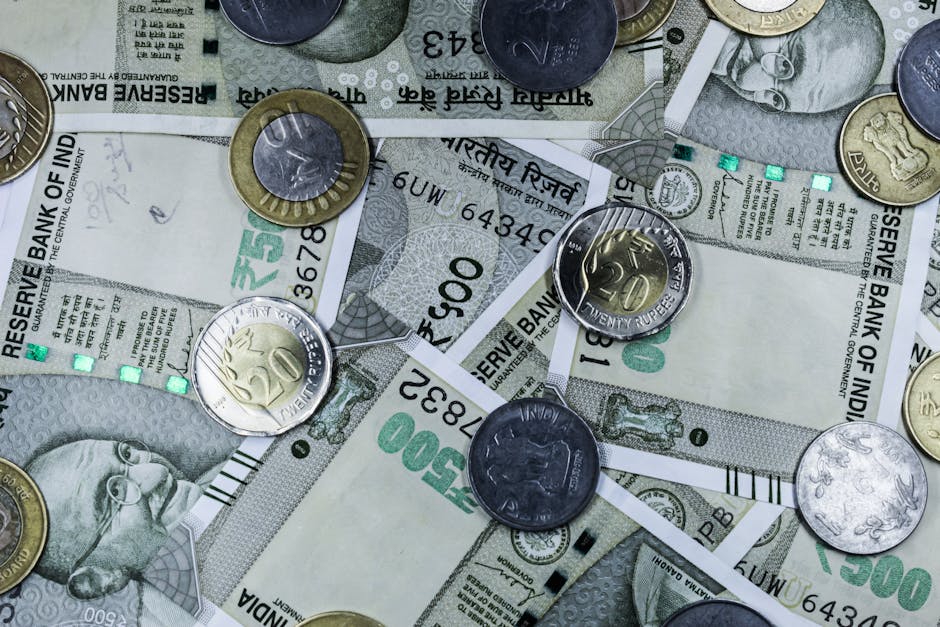
The Stakes for South Asia’s Economic Future
Modi’s previous terms were marked by ambitious reforms and a burgeoning tech sector that positioned India as a formidable player in South Asia. However, the landscape has shifted dramatically. The pandemic’s economic aftershocks, coupled with soaring commodity prices and slowing global growth, have created a perfect storm. Critical voices in the economic sphere are questioning Modi’s ability to deliver on his promises, and that skepticism could have ripple effects throughout South Asia.
The players in this drama are not just limited to Modi and his government. Investors are assessing their risks, citizens are feeling the pinch of rising costs, and regional rivals are watching closely for any signs of weakness. For South Asia, a region that has often lagged behind in economic development, India’s success—or failure—could redefine its economic landscape.
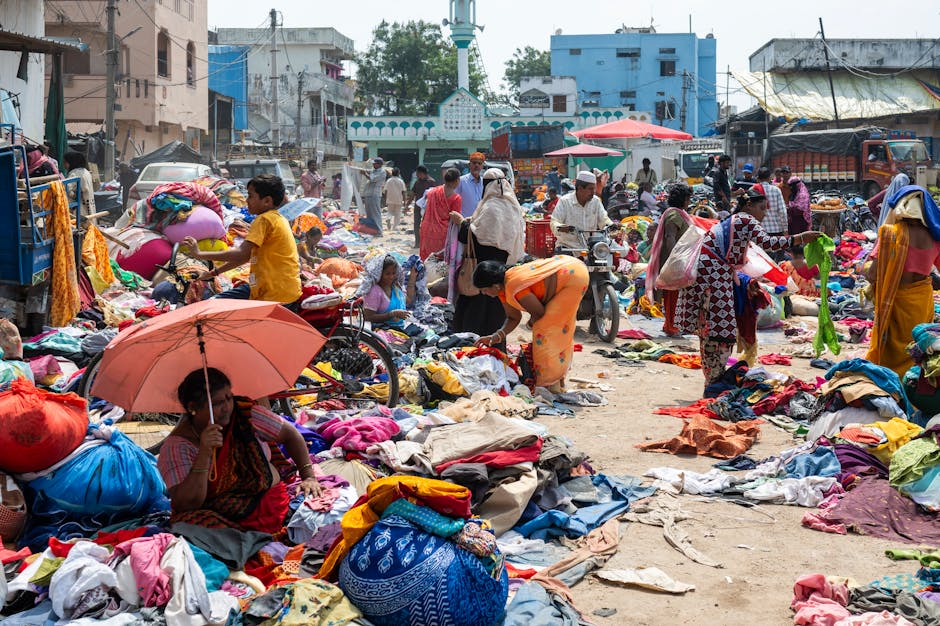
Is India Still the Champion of South Asia?
Let’s get real: if India falters, South Asia could spiral into deeper economic malaise. The mainstream narrative has too often portrayed Modi as a miracle worker, but the truth is more nuanced. While his government has made strides in infrastructure and technology, the cracks are starting to show. The social fabric is fraying under economic strain, and political dissent is rising.
If Modi fails to address inflation and unemployment effectively, the backlash will be fierce. Political unrest could follow, undermining not only his leadership but also the fragile stability of South Asia as a whole. On the flip side, if he manages to navigate these turbulent waters, he might emerge stronger, but it won’t be easy. The stakes are high, and the window of opportunity is narrowing.
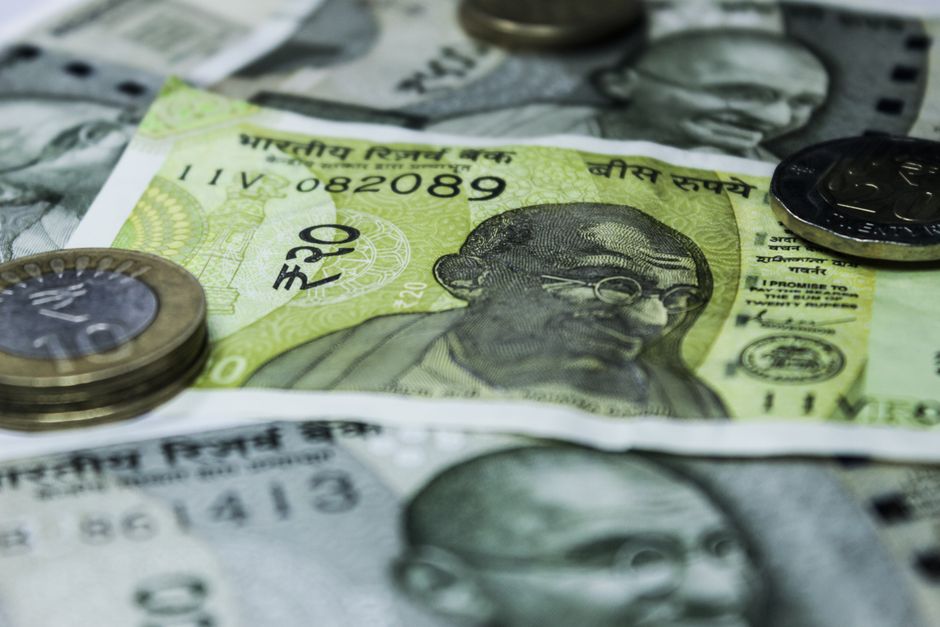
As we peer into the future, we’re left with an unsettling question: can Modi transform this crisis into an opportunity, or is this the beginning of a downward spiral for India and South Asia? The answer will not only shape the future of the subcontinent but will also resonate across global markets. Stay tuned; the drama is far from over.
Source: Google — South Asia