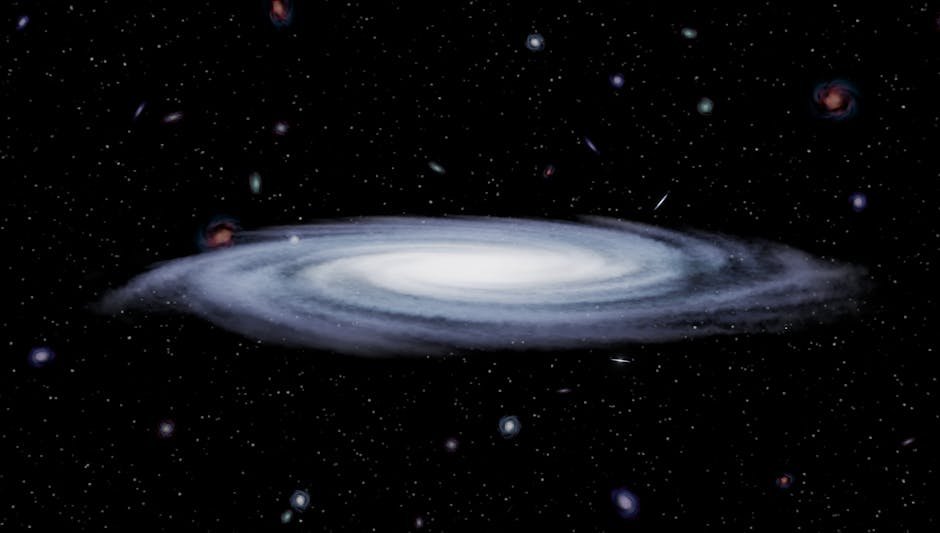
Is the universe playing tricks on us, or are we just too naive to accept the majestic chaos of science? Recent revelations have uncovered a black hole that is older than its own galaxy, challenging everything we thought we knew about cosmic evolution. According to Tomorrow’s World Today, the James Webb Space Telescope has found a black hole that existed roughly 1.5 billion years after the Big Bang, predating the galaxy it resides in by millions of years.
The Science Behind the Discovery
This discovery prompts us to rethink not only the timelines of cosmic structures but also the very nature of black holes. Typically, black holes are thought to form from the remnants of massive stars collapsing, and they should logically arise alongside the galaxies they inhabit. However, researchers now contend that this ancient black hole provides a glimpse into a far more complex early universe than we’ve considered. The Webb telescope’s capability to observe the universe in unprecedented detail has propelled this finding into the spotlight, marking a milestone in the field of science.
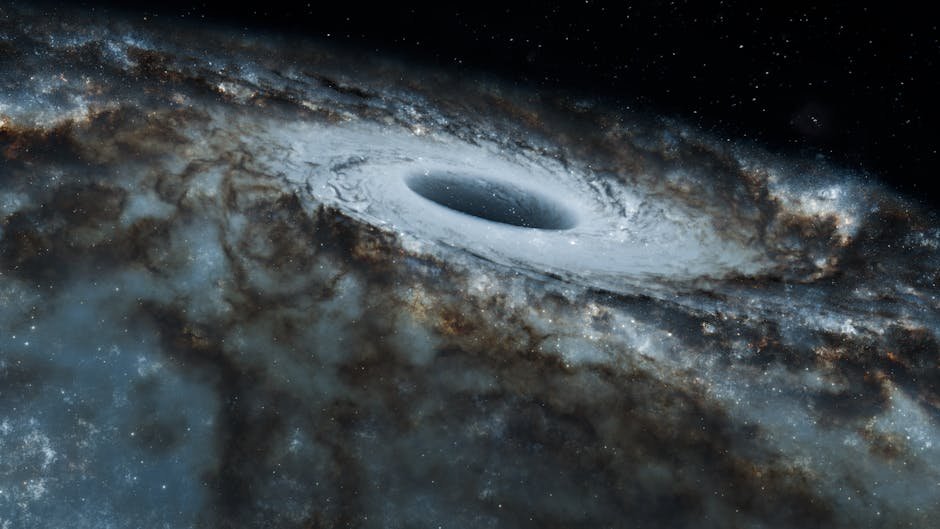
Understanding how a black hole came to be before its galaxy could unlock secrets about the early universe. Were these black holes predestined to emerge before galaxies, acting almost like cosmic seeds that influenced their formation? This question, profound yet perplexing, could reshape our scientific paradigms.
The Stakes of Space Science
So, what’s at stake here? For one, the implications of this discovery extend beyond mere academic interest. If we can understand how such black holes formed, we might gain insights into the distribution of matter and energy in the early universe, influencing current theories on cosmic evolution. This sort of knowledge is what could ignite revolutions in various fields of science, impacting everything from astrophysics to cosmology, and potentially even technology grounded in our understanding of the universe.
However, there’s a risk that comes with this newfound knowledge. The excitement surrounding space science can lead to overstated claims and premature conclusions. Some scientists may be tempted to rush into narrative-building before fully understanding the data. While speculation can fuel public interest, it can equally derail genuine scientific inquiry. The mainstream conversation must remain rooted in evidence, carefully unpacking what these findings mean in the grander tapestry of the cosmos.
Moreover, the discovery shines a light on the funding and political support science receives. As governments and institutions grapple with budget cuts and prioritization of areas like climate change and healthcare, investment in space science can be at risk. Yet discoveries like this remind us why we need to continue funding exploration: the truths uncovered can have far-reaching implications for our understanding of existence itself.
As we continue to unravel the mysteries of our universe, we must advocate for robust funding and support for scientific research. The cosmos is a vast, enigmatic arena that can reveal profound truths about who we are and where we fit in the grand scheme of things.
In the end, amid the excitement and speculation, we must ask ourselves: are we ready to confront the uncomfortable truths about our universe? As this black hole challenges our conception of cosmic timelines, one thing is clear: science is not just about discovery—it’s about the courage to question everything we think we know.
Source: Google — Space & Science