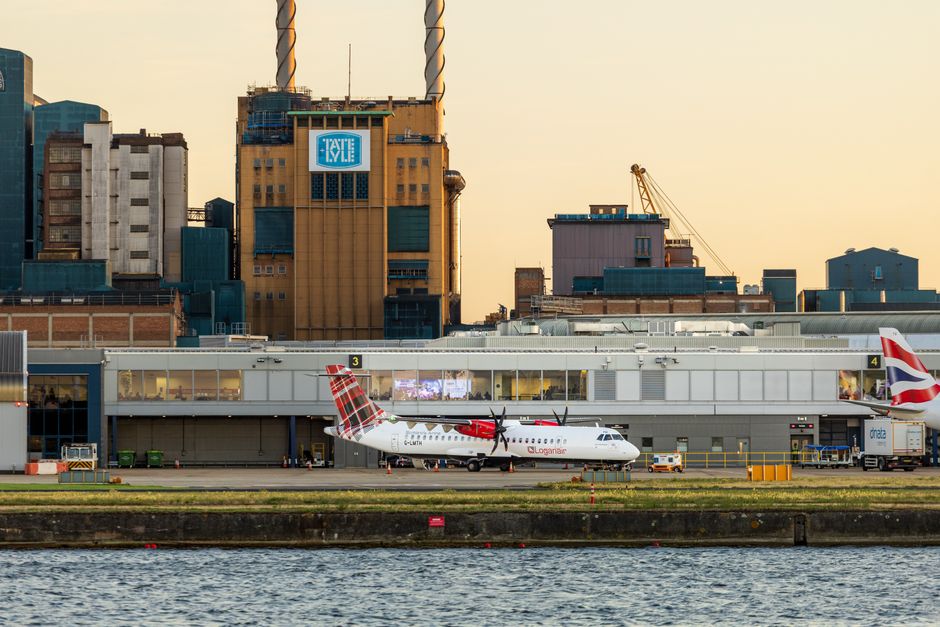
The business of aviation is often more about noise than flight paths, and London City Airport is about to learn that the hard way. A committee of the London Assembly has voiced strong opposition to the airport’s plans to accommodate larger jets, citing noise pollution as a pressing concern. This isn’t just another regulatory hurdle—it’s a wake-up call for an industry that has long treated local communities as collateral damage.
According to the BBC, the committee is demanding that plans for larger aircraft at London City Airport be halted. Their argument stems from worries about noise that could disrupt the lives of thousands living nearby. It’s a classic case of urban development clashing with the right to quiet enjoyment of one’s home, and it’s not just a nuisance; it’s a potential business killer.
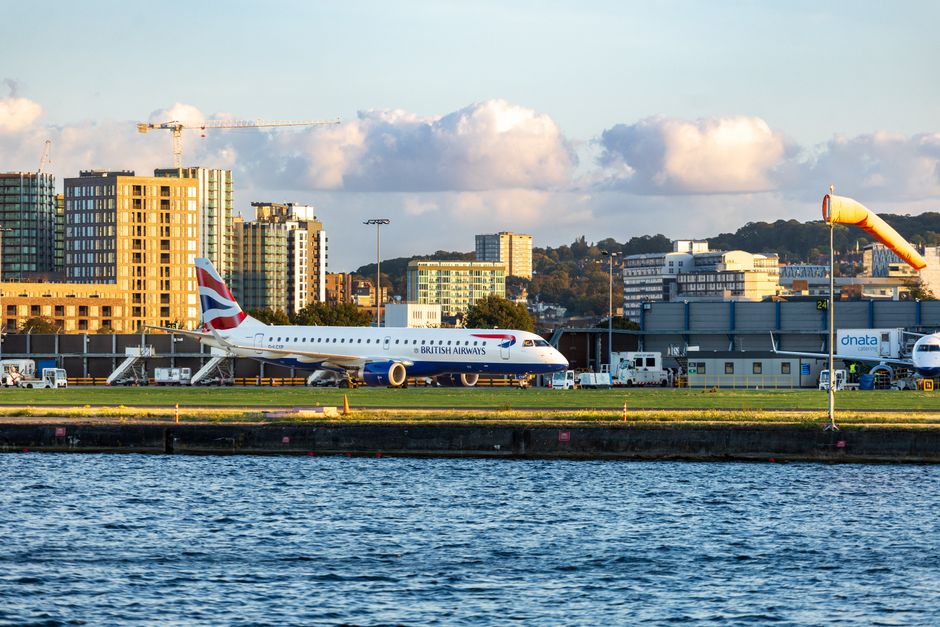
The Business of Noise and Community Discontent
This issue hits at the intersection of business, urban planning, and community rights. London City Airport, a hub known for its convenience, has increasingly tailored its operations to attract a wealthier clientele who prefer larger jets. Airlines are ecstatic about the potential profits, and business travelers are hungry for those quick hops across Europe. However, the communities that surround the airport are not enamored with the idea of more noise and disruption.
The backdrop to this brewing conflict is a broader conversation about sustainable aviation and corporate responsibility. As climate change concerns grow, the aviation sector is under pressure to demonstrate that it can operate without wreaking havoc on local environments. Expanding operations to accommodate larger jets could alienate not just local residents but also global consumers who increasingly prioritize sustainability. The London Assembly’s pushback comes at a time when businesses must reckon with their social licenses to operate.
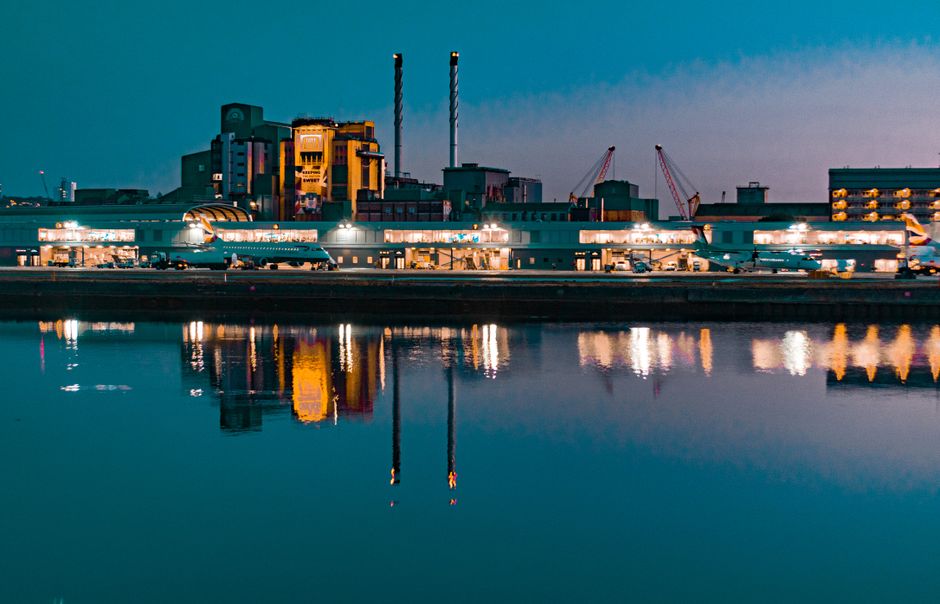
Who Wins and Who Loses
So, who stands to gain or lose in this high-stakes drama? The clear winners could be local residents, who are taking a stand for their right to a peaceful existence. If the Assembly maintains its opposition, it sends a strong message that communities will not be steamrolled in the name of business.
However, the losers could very well include the airport itself, along with the airlines hoping to capitalize on the bigger jet market. In a world where every decibel of noise counts, the financial stakes could rise sharply if public sentiment sours or if further regulations are enacted.
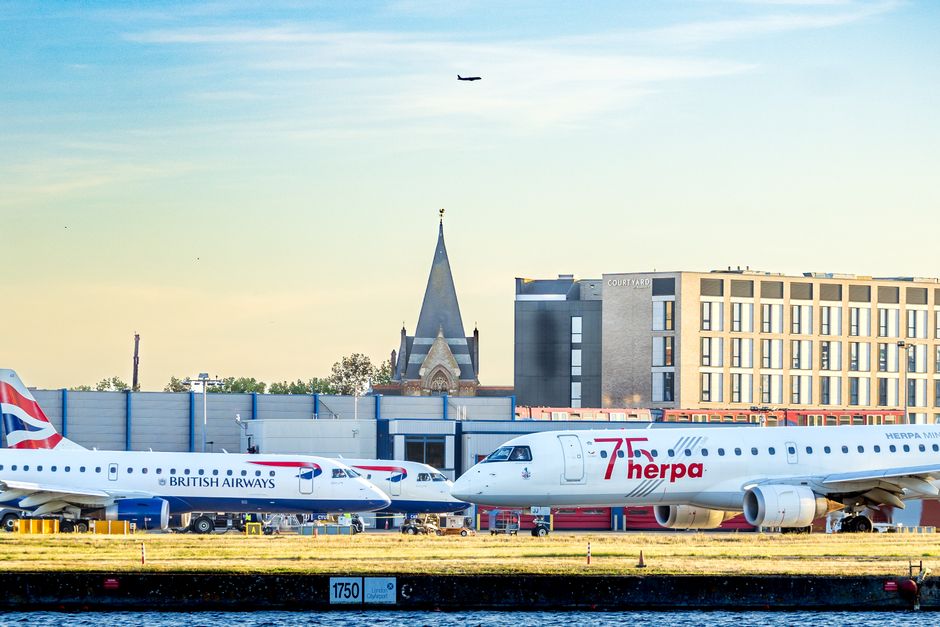
What’s more, there’s a risk that this pushback could lead to a broader examination of how airports operate within urban areas. If London City Airport faces a legal or political backlash, it may pave the way for similar challenges in other cities, leading the business of aviation into uncharted territory.
In the end, the conflict at London City Airport serves as a microcosm of the larger battles we face between economic development and community rights. As businesses push for growth, they must also navigate the realities of local sentiment. The question remains: can they strike a balance, or will they find themselves grounded by the very communities they rely upon?
As this saga unfolds, one thing is clear: the future of aviation in urban environments hangs in the balance, and the business of flying might just have to contend with the noise of dissent.
Source: BBC Business