
The youth of South Asia are rising; the question is whether anyone is listening. A protest movement, fueled by the ideals of Gen-Z and the power of social media, has erupted in India’s capital, drawing thousands ready to make their voices heard. According to The New York Times, this unprecedented mobilization showcases not only the deep discontent brewing among young people but also their unyielding resolve to challenge the status quo.
The Context of Dissent in South Asia
This viral protest is not just a spontaneous outburst. It stems from a confluence of issues: economic stagnation, environmental degradation, and a perceived erosion of democratic rights. Young activists are fed up with inadequate responses to climate change and government policies that seem increasingly autocratic. As tensions simmer, the stakes for the South Asia region grow. When the voices of the youth echo across the streets of a nation, they beckon a wake-up call to political leaders and policy-makers who have long ignored their demands.

In this context, we witness a pivotal moment in India’s democratic landscape. The rapid spread of information through digital platforms has transformed traditional protest dynamics, allowing disparate groups to unite under a common cause. The ability of these young activists to mobilize swiftly and efficiently puts pressure on the ruling elite to reckon with the new wave of dissent. The question now is whether this movement can sustain momentum and bring about tangible change.
Who Gains and Who Loses in the South Asian Turmoil
The stakes are high, and the players are many. On one side, we have the young protestors, energized and equipped with the tools of modern activism, willing to push back against a government that frequently prioritizes control over constituents’ voices. On the other side, we face entrenched political powers, desperately clinging to their narratives and authority.

If this protest movement succeeds, the most significant victory will not just be policy reform but a cultural shift. It could pave the way for a new political landscape where the voices of the youth are not merely an afterthought but a driving force. However, if the movement falters, we may witness a brutal crackdown by authorities, which could intimidate future dissent and further entrench the hold of power.
Meanwhile, the mainstream media’s portrayal of this phenomenon often misses the mark. Many in the media focus on sensationalist aspects rather than the underlying issues that fuel the protests. To truly understand the implications of this movement, we must look beyond the immediate spectacle and consider the broader socio-political dynamics at play in South Asia.
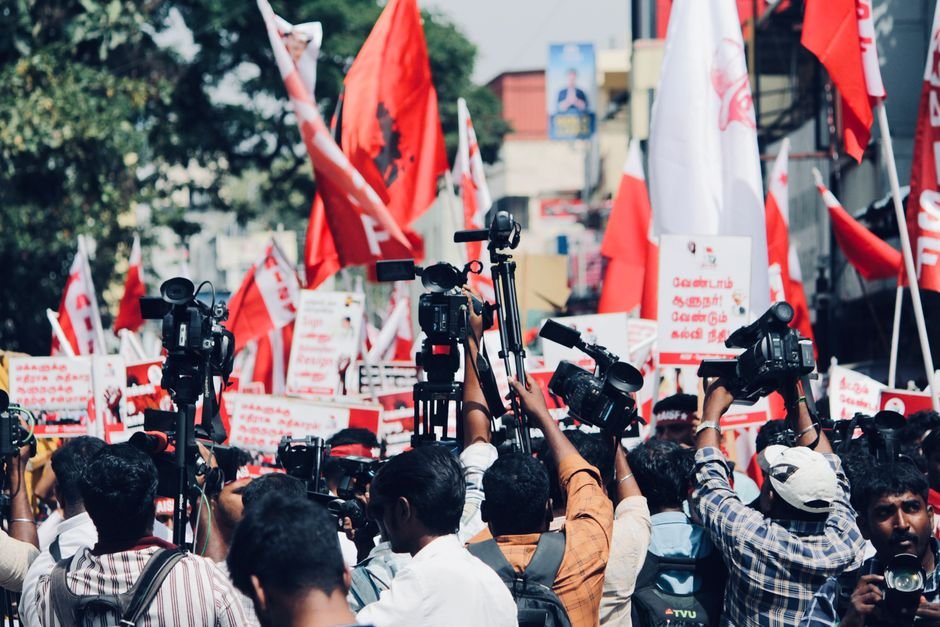
As the world watches, we find ourselves at a crossroads. Will the youth of South Asia manage to capitalize on this moment of clarity and urgency, or will their cries fall on deaf ears? The answer may very well redefine the political landscape of the region.
In the coming days, all eyes will be on the government’s response and the protestors’ ability to keep momentum alive. This is a pivotal moment that could shape the future of democracy in South Asia. As the dust settles from this massive uprising, one thing is certain: the youth will not be silenced, and their fight for justice is just beginning. Will their voices echo through the halls of power, or will they be drowned out once again?
Source: Google — South Asia