
In the fiercely competitive landscape of South Asia’s cricketing realm, the emergence of a 15-year-old sensation like Vaibhav Sooryavanshi shakes the foundation of what we thought we knew about talent and youth. Is this a sign that the future of cricket is no longer a decade away but rather a heartbeat from the present?
According to Al Jazeera, Sooryavanshi has been called up to India’s T20 squad, a move that has both thrilled cricket fans and raised eyebrows. This sudden rise to prominence is not just a personal victory; it’s a pivotal moment for a cricketing culture obsessed with excellence.
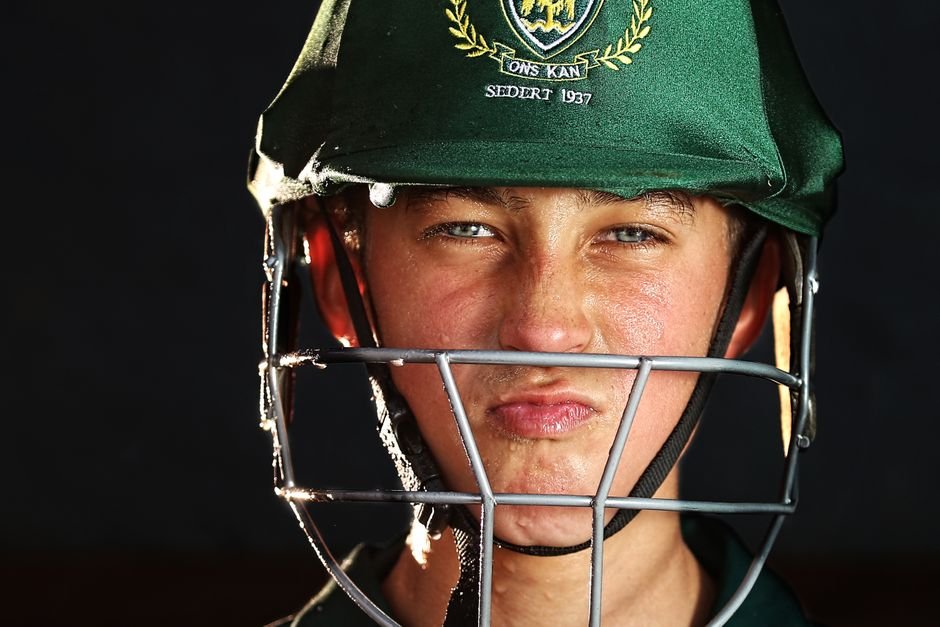
South Asia’s Cricket Landscape: A New Dawn for Young Talent
Why does this matter now? The cricketing giants of South Asia, particularly India, have always placed a premium on experience and age. Yet, in this new era—where athletic prowess meets the raw energy of youth—there’s a seismic shift underway. Players like Sooryavanshi symbolize a broader trend where age barriers are crumbling under the weight of undeniable skill. The cricketing establishment, long skeptical of the youthful exuberance, now finds itself caught between nostalgia and the undeniable need for innovation.
Vaibhav represents more than just youthful talent; he embodies a generation of players who have honed their skills in the digital age. With social media amplifying their achievements and grassroots support systems increasingly robust, young cricketers now possess tools that previous generations could only dream of. This shift has led to a more diverse and competitive talent pool, challenging the old guard to redefine what it means to be truly elite.
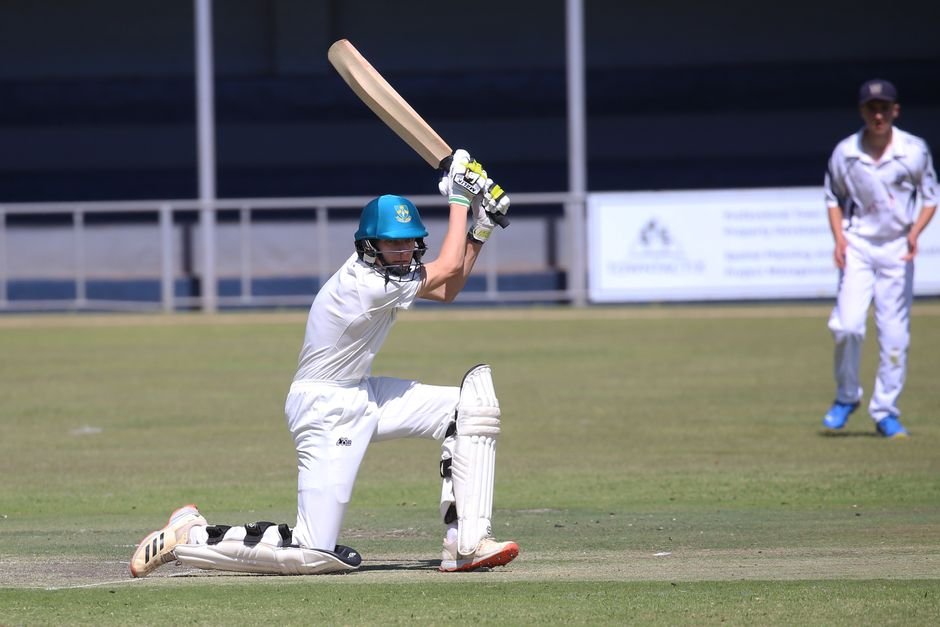
The Stakes: Who Gains and Who Loses in This New Era?
The calling up of Sooryavanshi is undoubtedly a win for the cricketing ecosystem in South Asia, but the implications stretch far and wide. While this decision excites fans and opens doors for young players, it also raises uncomfortable questions for established players who might find themselves squeezed out of the spotlight. The seasoned veterans, who once basked in the glory of a long career, now face a hostile reality where their relevance could diminish overnight.
Moreover, the pressure on Sooryavanshi will be monumental. Can he withstand the expectations that come with being labeled a prodigy? The mental strain on such young athletes cannot be overstated. The cricketing world is unforgiving; failure can be swift and brutal. The mainstream narrative often romanticizes youth, but it frequently overlooks the immense psychological toll that stardom can exact on a teenager.

However, this isn’t merely a cautionary tale; it’s a clarion call for a reimagined cricketing culture in South Asia. By embracing young talent like Sooryavanshi, the sport can catalyze broader discussions about meritocracy and inclusivity. The cricketing fraternity has the chance to enrich its narrative—moving from one entrenched in age and experience to one that celebrates raw talent, regardless of when it emerges.
The ascension of Sooryavanshi is a timely reminder that talent knows no age. In South Asia, where cricket is not just a sport but a deeply woven thread of societal fabric, the ripple effects of this decision could be transformative. It is high time for the cricketing establishment to adapt or face irrelevance.
As we turn our eyes to the T20 matches ahead, one question lingers: Will the cricketing gods smile upon the young prodigy, or will the weight of expectation prove too heavy for his shoulders? South Asia is watching, and the stakes have never been higher.
Source: Google — South Asia