
In the grand tapestry of South Asia’s economic landscape, the threads are fraying faster than anyone anticipated. India, once seen as the beacon of growth and resilience, is now grappling with threats that are far too complex for any currency Band-Aid to cure.
According to Bloomberg, India’s economy is facing severe challenges that cannot be resolved by merely adjusting currency values. The nation is caught in a spiral of inflation, slowing growth, and a depreciating rupee, leading experts to question the effectiveness of current fiscal policies.
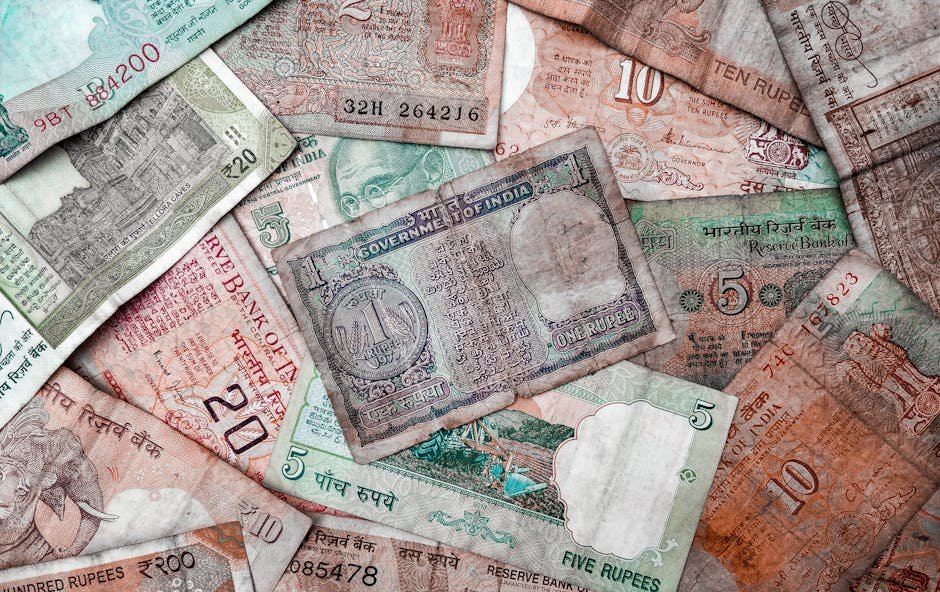
Economic Challenges in South Asia: A Looming Crisis
This isn’t just about numbers on a financial report; it’s about people’s lives and the economic health of an entire region. The backdrop to this crisis is a confluence of factors: global demand is faltering, inflation is eating away at purchasing power, and interest rates are making borrowing more costly. As the Indian government grapples with these issues, the reality is that relying solely on currency manipulation is a short-sighted strategy. It’s akin to putting a Band-Aid on a bullet wound. The players here are significant, ranging from policymakers in New Delhi to global investors watching the unfolding drama with bated breath.
As South Asia’s largest economy, India has a ripple effect on its neighbors, making its struggles feel like a collective challenge for the region. For instance, if India’s economy falters, countries like Bangladesh and Pakistan—where economic stability is tenuous at best—could find themselves staring into an even deeper abyss.

The South Asian Economic Landscape: Who Wins and Who Loses?
Now, let’s cut to the chase: who stands to win or lose in this intricate web of economic mismanagement? If the Indian government maintains its current approach, the losers will be the ordinary citizens who are already feeling the pinch. Middle-class families will find it harder to make ends meet as inflation continues its relentless march. Small businesses will struggle to stay afloat, and unemployment could rise, amplifying social unrest. Meanwhile, the winners, if we can even call them that, are the opportunistic investors who might pick at India’s carcass while the government struggles to get its act together.
On the global stage, as South Asia grapples with its economic malaise, countries like China and the United States are jockeying for influence. This power play complicates an already fragile situation. China, with its vast economic clout, is keen on expanding its foothold in the region, while the U.S. is attempting to counterbalance that influence. As these titans circle each other, India’s economic stability hangs in the balance, and the stakes could not be higher.
As India’s economic woes deepen, an urgent question arises: will the government finally abandon its half-hearted measures and confront the root causes of these myriad issues? Or will it continue to kick the can down the road, hoping that a change in the winds of global economics will somehow save the day? The situation demands serious introspection, and merely patching things up with currency fixes won’t suffice.
In an interconnected world, the implications of India’s economic trajectory extend well beyond its borders. The unfolding drama in South Asia is a clarion call for action—one that cannot be ignored. The question looms large: can India rise to the occasion and reclaim its status as a regional powerhouse, or will it succumb to a self-inflicted crisis that drags down South Asia with it? Time will tell, but one thing is clear: the clock is ticking.
Source: Google — South Asia