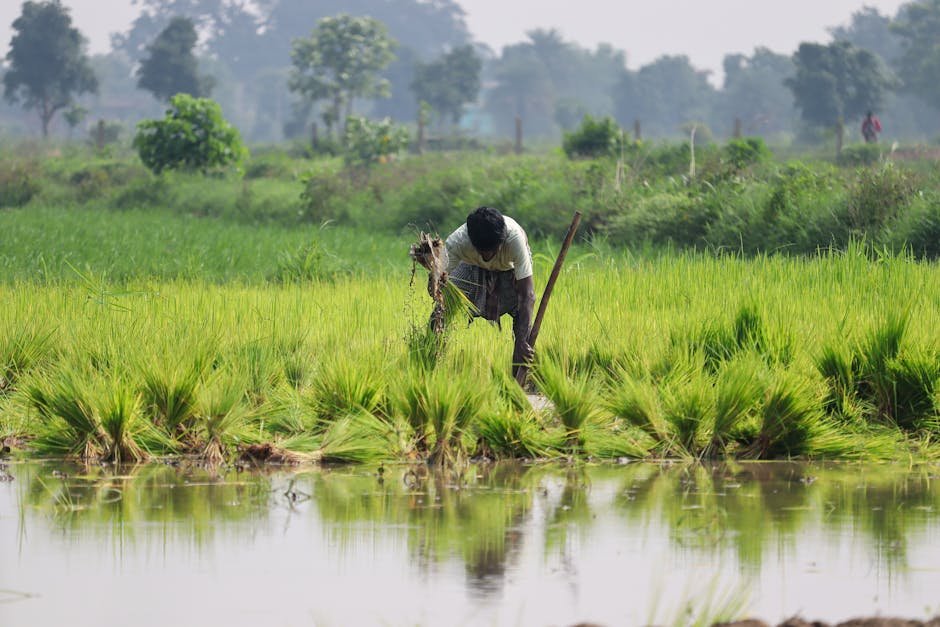
Is the world ready for the South Asia economic juggernaut? India’s GDP has just sprinted to a staggering 7.8% growth in the January-March quarter, thanks to robust performances in agriculture and construction. According to Reuters, this surge positions India as a critical player in the global economic landscape, challenging age-old stereotypes about developing countries.
South Asia’s Economic Resilience
This impressive growth does not emerge from a vacuum. The Indian economy has been on a rocky path, entangled in global uncertainties and domestic challenges. Yet, amidst the chaos, agriculture—often viewed as a traditional sector—and construction have surprisingly emerged as beacons of hope. This resilience is vital; as the economy grapples with inflation and supply chain disruptions, it showcases South Asia’s ability to adapt and prosper.
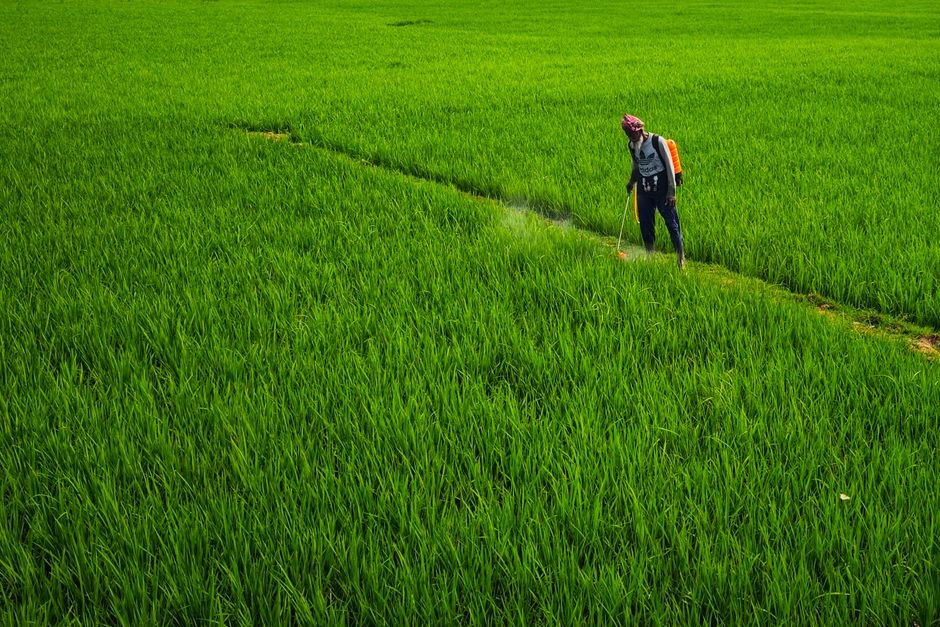
So why is this growth significant now? It’s not solely about numbers. This moment reflects a shift in how South Asia is perceived on the global stage. Once just a collection of developing nations, countries like India are now seen as contenders for economic prominence. As nations worldwide grapple with recession fears, India’s robust GDP growth could attract foreign investment and reshape regional alliances.
The Stakes of Growth
However, it’s essential to approach this growth narrative with caution. Who really benefits from this economic upswing? Yes, a booming GDP is fantastic for headlines, but the question remains: are the everyday citizens of South Asia feeling these changes? If the wealth generated does not trickle down to the masses, we might be celebrating a façade of success while ignoring widening economic disparities.
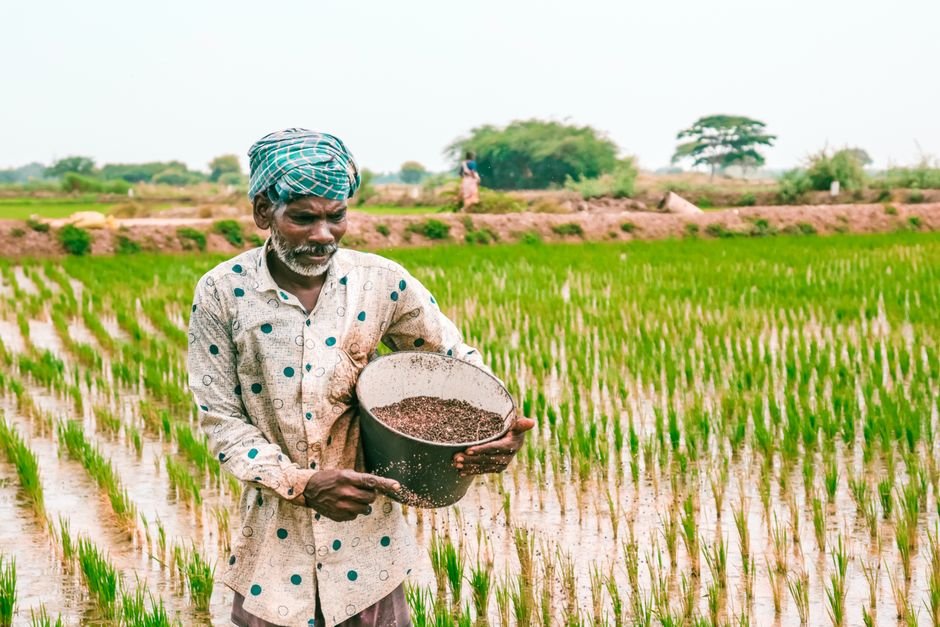
Moreover, can this momentum be sustained? India’s economy has shown vulnerability to external shocks, especially in an increasingly interconnected world. Rising global commodity prices and geopolitical tensions can disrupt even the most resilient economic engines. If India stumbles, it could drag down the entire South Asia region, leading to painful repercussions for its citizens.
The mainstream narrative often overlooks these intricacies. While politicians tout GDP numbers, they frequently sidestep discussions about poverty, unemployment, and the rising cost of living. For many in South Asia, growth is meaningless if it doesn’t translate into better lives.
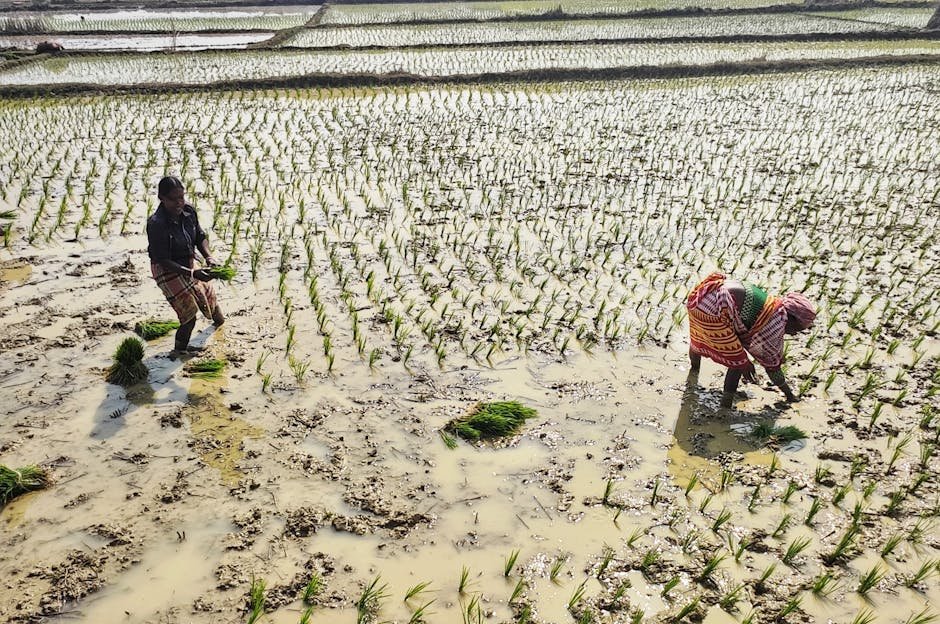
So, as we navigate this optimistic yet complicated landscape, let’s remember that numbers might not tell the full story. The real measure of success will be how this growth impacts the lives of millions. Will it foster inclusive development, or will it serve to deepen existing inequalities?
In the grand scope of things, South Asia stands at a crossroads. With all eyes on India, its next moves will be crucial. The world is watching closely—can it deliver on the promise of growth, or will it falter under pressure, revealing the cracks behind the shiny statistics? As the narrative unfolds, one thing is certain: we are in for a riveting show.
Source: Google — South Asia