
India’s latest move to scrap taxes on overseas bond investors is a blatant call-out to foreign capital, and it immediately raises a critical question: will this play save the beleaguered rupee, or is it just a desperate gamble for South Asia’s economy?
According to CNBC, India has eliminated the tax for overseas bond investors in a bid to attract foreign investment and bolster the rupee’s value. This decision comes amid currency fluctuations and increased scrutiny of the Indian economy’s resilience in the global market.

Why This Matters for South Asia’s Economy
This moment isn’t just about financial strategy; it’s a reflection of a larger narrative. India’s economy has faced headwinds, influenced by global market uncertainties, inflationary pressures, and a constant tussle with foreign investor confidence. By scrapping this tax, India aims to rebuild trust and attract the kind of capital that could inject fresh momentum into its financial landscape. The stakes are massive. If India can pull this off, it might cement its role as a financial hub in South Asia. However, if this attempt falters, it could lead to a further erosion of investor confidence, setting off a chain reaction of adverse effects across the region.
The Hot Take: Who Wins, Who Loses?
This is a double-edged sword. On one side, we have the potential winners: foreign investors who now find it easier and more profitable to put their cash into Indian bonds. Meanwhile, the Indian government could find newfound flexibility in its financial policies. However, let’s not overlook potential losers. Domestic investors may feel the pinch as foreign entities flood the market, potentially pushing local interest rates higher and jeopardizing the already precarious economic balance. Furthermore, by depending on foreign capital, India runs the risk of falling into the trap of external vulnerability.
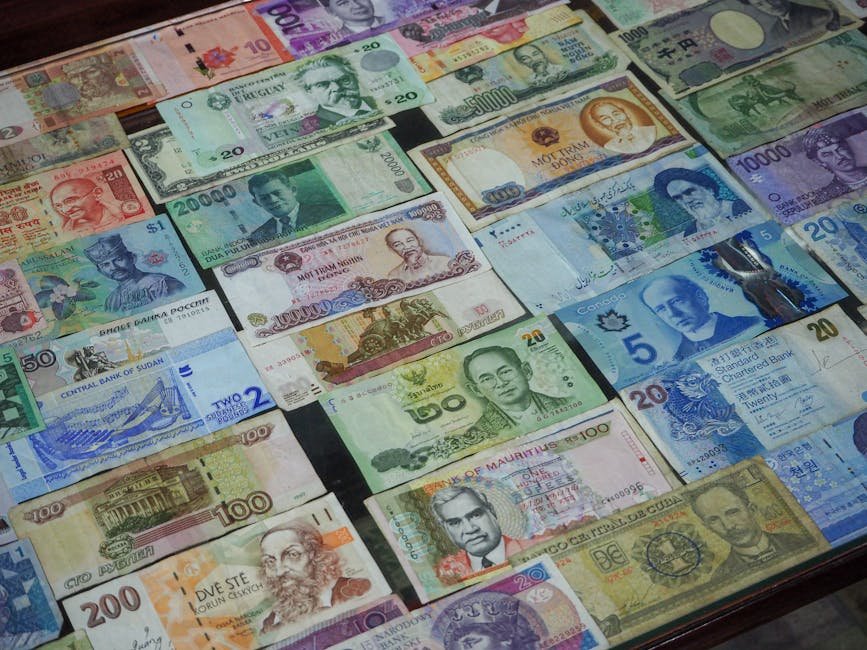
The mainstream narrative often overlooks these complexities, focusing solely on the immediate benefits. But critics warn that such policies can lead to boom-bust cycles typical in emerging markets. India needs more than just foreign cash; it needs a sustainable economic model that doesn’t rely on external whims.
As we watch this economic maneuver unfold, one thing is clear: the future of South Asia’s economy hinges not just on foreign bond investments but on India’s ability to navigate its own domestic challenges. Will this be a turning point towards stability, or a misstep that haunts the region for years to come? The answer is as unpredictable as the market itself.
Source: Google — South Asia