
The dawn of a new era in health is upon us, and it’s fueled by technology. Imagine a world where artificial intelligence can create vaccines, revolutionizing healthcare as we know it. Recently, researchers announced the development of a vaccine designed by AI, a groundbreaking achievement that could redefine medicine. According to BBC reports, this ‘world-first’ vaccine exemplifies the incredible potential harnessed from technology.
The Intersection of Technology and Medicine
Why does this matter now? The COVID-19 pandemic exposed the cracks in our healthcare systems, urging a desperate need for swift solutions. With the lessons learned from that crisis, scientists have turned to artificial intelligence to accelerate vaccine development. The players here are both familiar and new: seasoned biochemists working alongside advanced AI algorithms, all in pursuit of a common goal—combatting infectious diseases more efficiently.
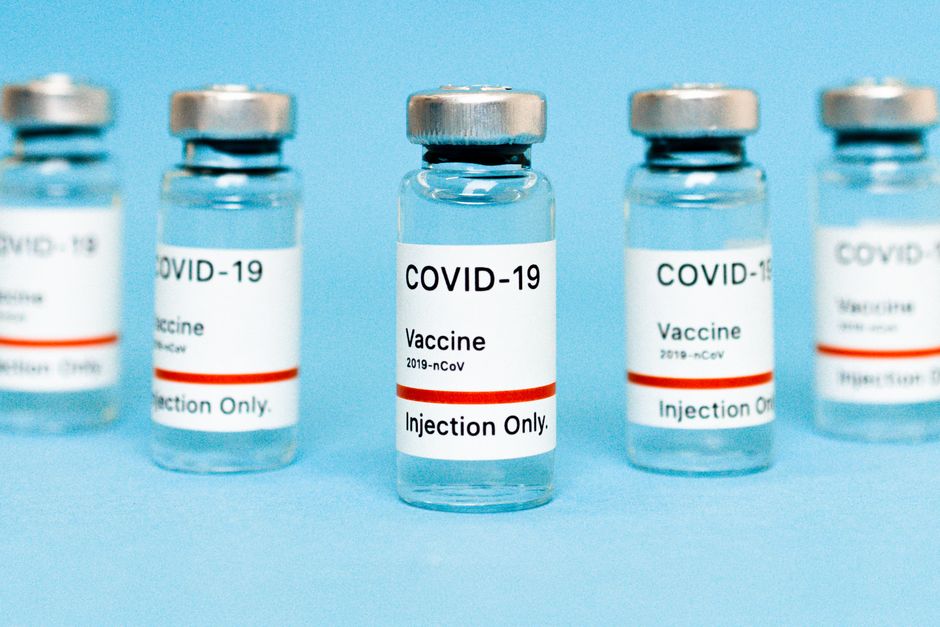
Not only does this innovation promise quicker vaccine responses, but it also raises essential questions about our reliance on technology. As we stand on the precipice of this AI-driven medical revolution, we must grapple with the implications of allowing machines to make critical health decisions.
Technology: A Double-Edged Sword
The stakes are enormous. If successful, this AI-designed vaccine could save countless lives and lead to an explosion of further innovations in medicine, making health interventions faster and more effective. However, we must also consider the potential pitfalls. With great power comes great responsibility; there’s a looming risk that over-reliance on technology could lead to unforeseen consequences. What happens when we entrust algorithms with our health? Will we be able to hold AI accountable when things go awry?

Moreover, the mainstream narrative tends to gloss over an unsettling truth: while technology can enhance our abilities, it cannot replace the human touch essential in medicine. The ethical implications of AI in healthcare need thorough examination. We must ensure that technology serves to augment human expertise, not overshadow it.
This is a moment to celebrate the strides we’re making in technology, but it’s also a time to remain vigilant. The excitement surrounding AI vaccines should not blind us to the potential hazards lurking in the shadows.

As the world watches this experiment unfold, one can’t help but wonder: will we emerge victorious with a new arsenal against disease, or are we opening Pandora’s box? The answer lies somewhere in the intricacies of technology and our readiness to navigate this uncharted territory. What we do now will shape the future of healthcare for generations to come.
Source: Google — Technology & AI