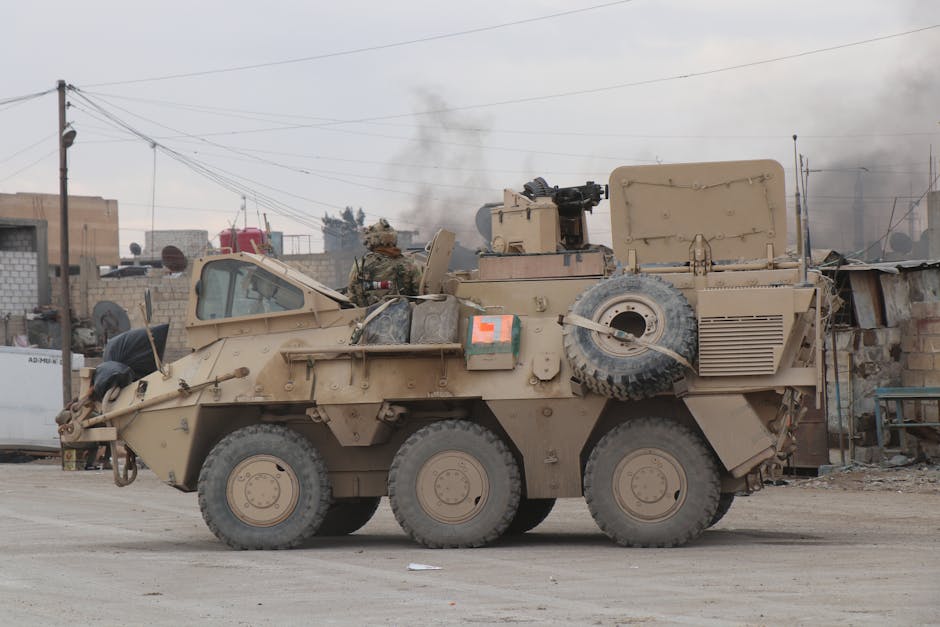
In the treacherous chess game of geopolitics, declaring “no all-out war unless U.S. troops are killed” is as chilling as it is revealing. Former President Trump’s remarks, as reported by the Wall Street Journal, underscore the precarious balance of power in the Middle East while also exposing a stark reality: American lives are the ultimate trigger for military escalations.
According to the WSJ, Trump has privately told aides that he won’t reignite a full-scale conflict with Iran unless American soldiers are harmed. This statement comes amid ongoing tensions in the Middle East, where even the slightest spark can ignite a fierce inferno.
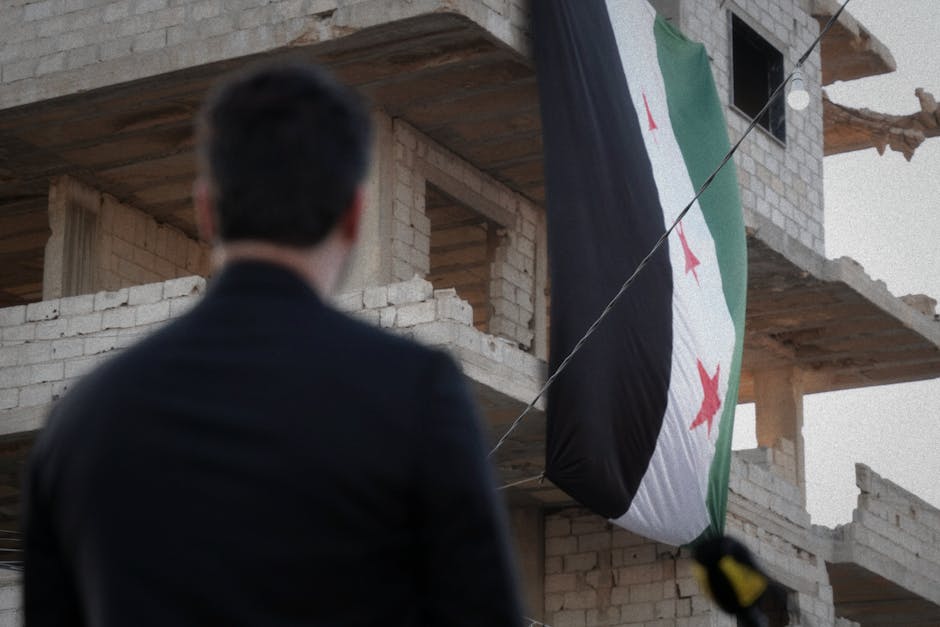
The Stakes in the Middle East
Why does this matter now? The Middle East is a powder keg waiting for a match, with various players vying for dominance. Iran continues to flex its regional muscles, influencing groups across Iraq, Syria, and Lebanon, while the U.S. finds itself in a complicated position, often at odds with a myriad of local and foreign interests. Trump’s comments signal a potential shift in U.S. military strategy, one that appears more reactive than proactive. Historically, the Middle East has seen a myriad of conflicts where American intervention has resulted in long-term entanglements and unintended consequences. So, is the Trump doctrine one of restraint? Or is it merely a dangerous gamble that could lead to more chaos?
The characters in this drama are well-known. Iran is not just a regional rival; it’s a pivotal player in the ongoing struggles for power in the Middle East. Meanwhile, the U.S. administration is caught between public sentiment, which often recoils from the bloodshed of war, and the hardline policies that previous administrations have adopted. If Trump is indeed willing to bide his time until American troops are killed, it reflects both a troubling prioritization of lives and the harsh tactical calculations that define military engagement.

An Uncertain Future
Let’s get real: waiting for American casualties might seem like a strategic move, but it’s a dangerous mindset. This approach could embolden Iran, encouraging them to take greater risks, knowing that they can provoke the U.S. as long as they avoid directly killing American soldiers. Furthermore, what about the countless lives lost on the other side? The civilians and fighters caught in the crossfire of a potential conflict? The Middle East has seen enough bloodshed.
Trump’s statement could also inadvertently invite adversaries to test the waters. If Iran calculates that they can act with impunity until U.S. forces are directly endangered, the region risks escalating into a catastrophic confrontation.
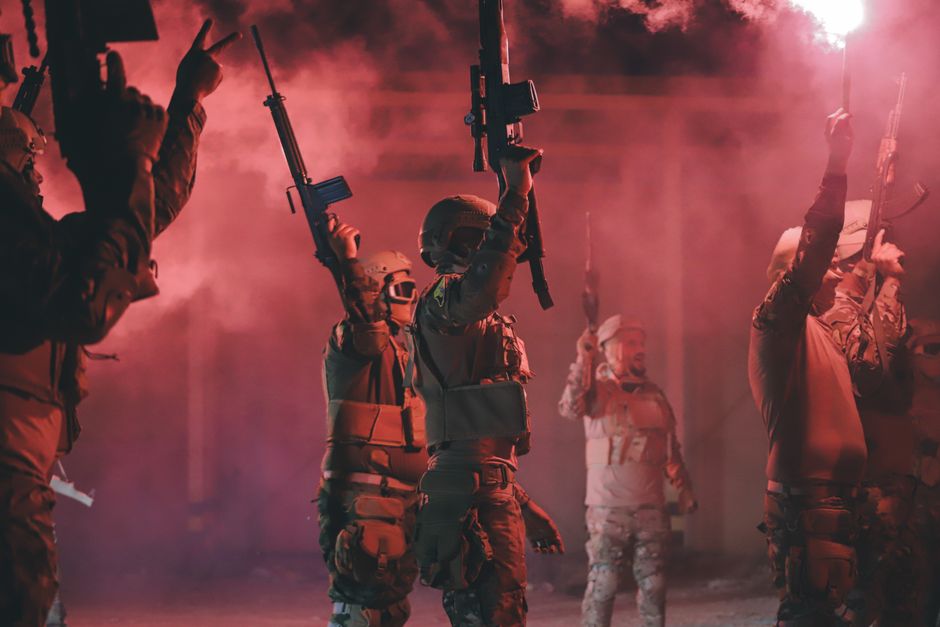
This “wait and see” approach might also be a political maneuver designed to appeal to a base weary of endless wars but craving the security of a strong American presence abroad. However, turning a blind eye until lives are on the line is a morally dubious policy, to say the least. War should never be a calculus of human lives weighed against political gain.
As tension mounts in the Middle East, one has to wonder: are we teetering on the edge of another catastrophic miscalculation? The stakes couldn’t be higher, and the consequences of inaction or reaction could echo for generations. Will the U.S. choose to be a proactive peacekeeper or a reluctant warmonger? As history shows, the line between the two is often razor-thin, and the wrong decision could plunge the region into chaos once more.
Source: Google — Middle East