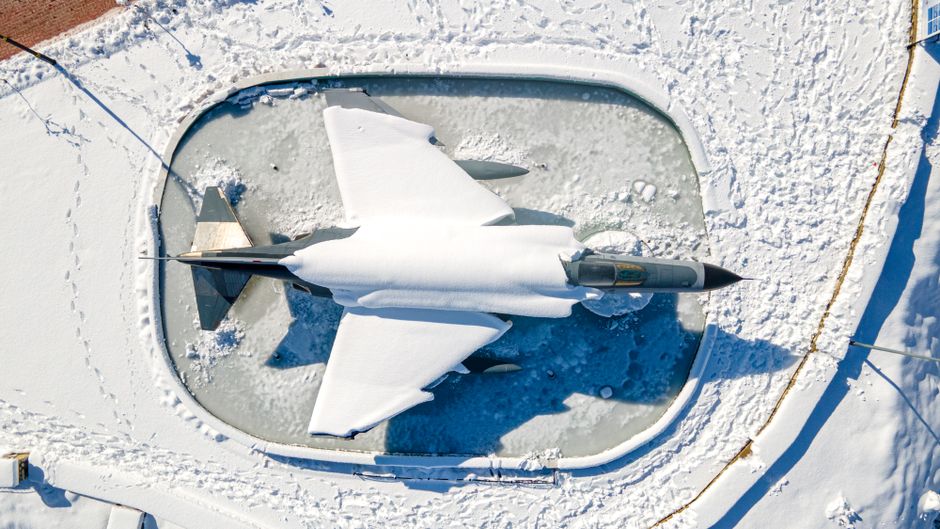
The Arctic is not the serene playground many imagine it to be; it’s a burgeoning theater of conflict, where technology is redefining the rules of engagement. In a recent move that underscores this reality, the 732nd Air Mobility Squadron (AMS) has begun leveraging artificial intelligence to enhance its Arctic training exercises. This is not merely an innovation; it’s a pivotal step in preparing for an increasingly complex geopolitical landscape.
According to the Air Force, the squadron’s integration of artificial intelligence aims to optimize operational readiness during Arctic training exercises, also known as TTX. They are harnessing advanced algorithms to simulate real-time scenarios, enhancing strategic decision-making in a region that is becoming the epicenter of military tension.

The Role of Technology in Arctic Security
This development is more than just a technical upgrade; it is a reflection of the growing strategic importance of the Arctic. As climate change opens new shipping routes and resource opportunities, nations are racing to stake their claims. The Arctic has become a battleground for influence among major powers like the U.S., Russia, and China. The 732nd AMS’s implementation of cutting-edge technology symbolizes how military forces are adapting to meet emerging challenges in a shifting geopolitical landscape.
The stakes are high. With Russia asserting its dominance through military exercises and China expanding its presence through economic investments, the Arctic is no longer the remote frontier it once was. The integration of technology, particularly AI, by military forces like the U.S. Air Force is essential for maintaining a competitive edge. It raises the question: are we prepared to navigate this new Cold War in the Arctic?

Hot Take: Embracing Technology Amidst Tensions
While some may laud the use of technology as a necessary evolution in military strategy, others should pause and reflect on the implications. The use of AI in training exercises can lead to faster, more effective decision-making but also carries risks. Over-reliance on technology could desensitize human operators to the ethical implications of their decisions. Imagine a scenario where algorithms dictate military strategy without sufficient human oversight. What could go wrong?
Moreover, the emphasis on advanced technology risks propelling a new arms race. If one nation views AI as a game-changing asset, others will feel compelled to respond in kind, leading to an escalation that could spiral out of control. The mainstream narrative often overlooks the consequences of technological advancements in military contexts, focusing instead on the allure of progress. We must tread carefully into this new era of military engagement, where technology shapes not only how we fight but the nature of conflict itself.

As we watch the 732nd AMS embrace artificial intelligence in their Arctic exercises, we must ask ourselves: are we truly ready for the ramifications of this technological arms race? The Arctic is no longer just a frigid expanse; it is the frontline of war, diplomacy, and a test of technological prowess. The challenge ahead is significant, and the choices we make now will reverberate for decades to come.
Source: Google — Technology & AI