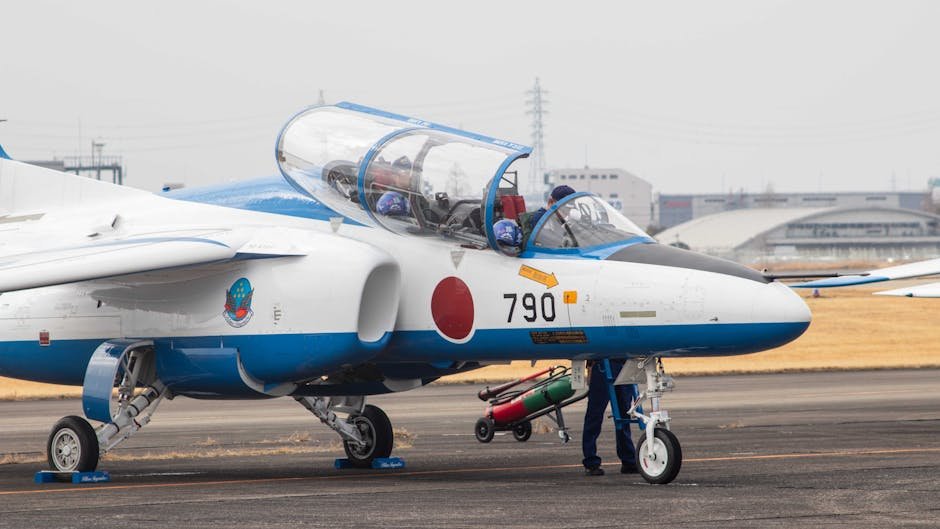
Japan’s rhetoric about militarism might just be the pot calling the kettle black in the volatile arena of East Asia. As Shinjiro Koizumi, Japan’s Defence Minister, addresses the nation’s military build-up, he can’t escape the irony of his stance even as he critiques China’s burgeoning military arsenal.
According to BBC, Koizumi’s remarks mark a significant escalation in Japan’s discourse surrounding its defence policies, as concerns rise over China’s military capabilities. He’s not just throwing shade at Beijing; he’s standing at the forefront of a regional arms race that many observers argue is fundamentally reshaping power dynamics in East Asia.
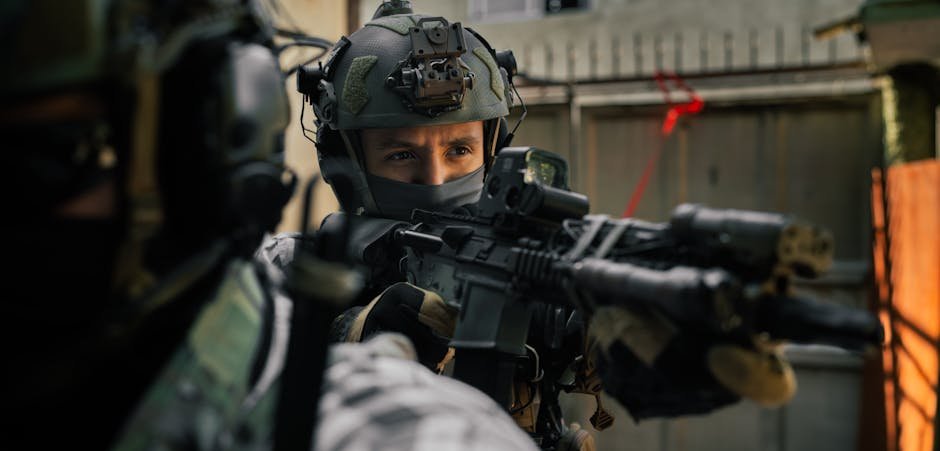
The Context of Militarism in East Asia
This isn’t just a casual spat over military might; it’s a serious reflection of historical tensions and a shifting geopolitical landscape. Japan’s past is marred with militarism, leading to a complex relationship with its neighbours. Koizumi’s comments suggest a pivot — or perhaps a return — to a more proactive stance on national security, largely motivated by perceptions of a growing threat from China. As China expands its military presence and capabilities, Japan is feeling the heat to bolster its own defence, prompting an arms build-up that many critics argue is a dangerous game.
The backdrop of this militarism debate includes the ongoing tension in the South China Sea, North Korea’s unpredictable nuclear ambitions, and the historical grievances that haunt Japan’s relationships with its neighbours. It’s a ticking time bomb where every statement carries weight, and every strategic move can ignite old wounds.
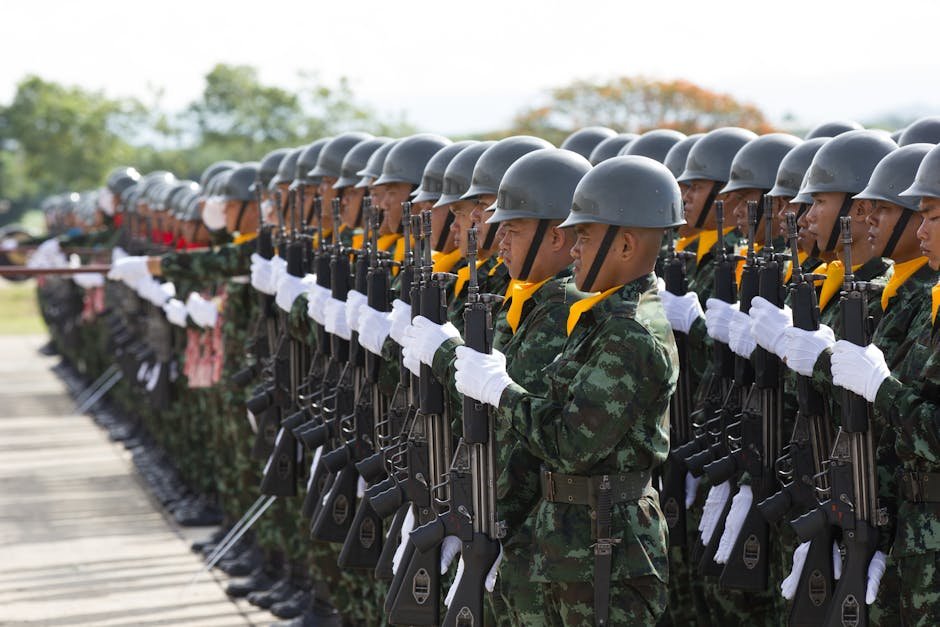
The Stakes of Japan’s Militaristic Posture
What’s truly dangerous here is not merely the military posturing, but the potential for miscalculation. By ramping up its arms, Japan might be trying to secure a stronger position in East Asia, but it also risks antagonizing regional partners and igniting an arms race that could spiral out of control. If Japan is seen as militarizing, what’s to stop the neighbours from doing the same?
On one side, Koizumi’s comments may resonate with a domestic audience that is increasingly aware of international threats and eager for a show of strength. However, his assertions also come with a hefty price: they could alienate Japan from its allies who are advocating for a more diplomatic approach. In an era where soft power is as crucial as military capability, Japan’s hard-line rhetoric could backfire, leading to a more isolated Tokyo in a fractious East Asia.

Critics within Japan and abroad are rightly skeptical. They are asking whether this is truly a defensive measure or if it’s a gamble that could lead to regional instability. There’s a fine line between asserting one’s sovereignty and provoking an arms race that none of us want to witness.
As the atmosphere in East Asia grows ever more tense, one must wonder: can Japan navigate this treacherous path without stumbling into a larger conflict? Koizumi’s words today may echo through history as either a catalyst for peace through strength or a harbinger of an inevitable clash fueled by militaristic ambitions. Only time will tell if Japan’s actions lead to stability or chaos in an increasingly unpredictable region.
Source: BBC Asia