When it comes to the Middle East, diplomacy often feels like a high-stakes poker game where everyone can bluff, fold, or flip the table at any moment. Former President Trump recently claimed Iran has agreed not to pursue nuclear weapons, but how much faith can we place in a regime known for its unpredictability?
According to CNBC, Trump’s comments came during a recent event where he emphasized that while Iran has made commitments, they are always free to change their minds. This ambiguous assurance does little to calm the anxieties swirling around a region fraught with tension and historical animosities.
The Middle East’s Unfolding Drama
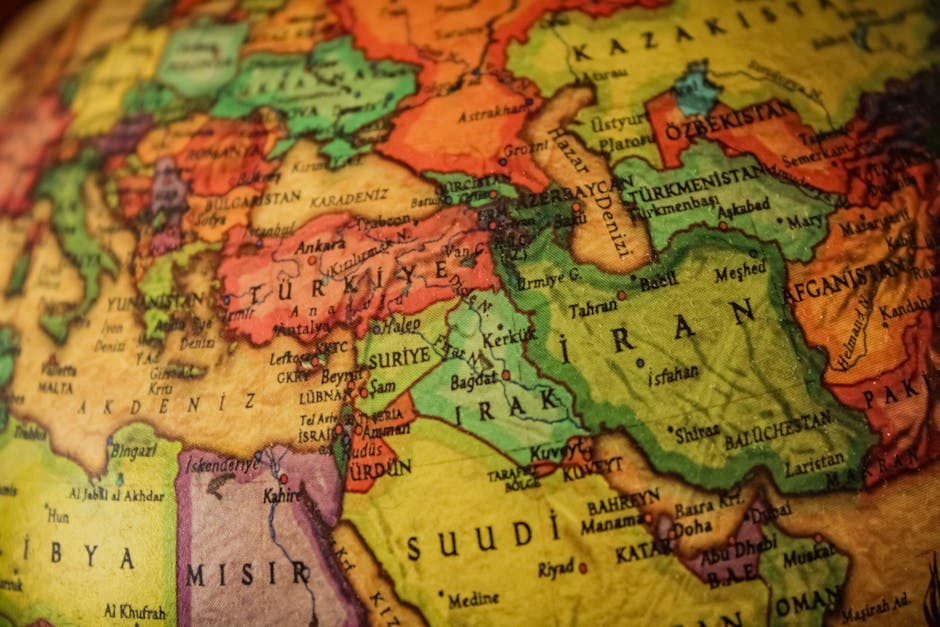
This latest episode in the Middle East saga emerges from a complex backdrop, where nuclear ambitions, international sanctions, and geopolitical rivalries converge. Iran’s nuclear program has long been a flashpoint, pushing nations like the U.S., Israel, and Saudi Arabia into a defensive posture. The 2015 nuclear deal aimed to curtail Iran’s nuclear capabilities in exchange for lifted sanctions, a fragile peace that has since unraveled under Trump’s administration and his subsequent withdrawal from the agreement in 2018. Fast forward to today, and the stakes are higher than ever. With military conflicts simmering in Syria, Yemen, and tensions between the U.S. and China complicating matters, Iran’s nuclear intentions are as relevant as ever.
Iran’s promise not to pursue nuclear weapons might be viewed by some as a diplomatic breakthrough. However, the skepticism surrounding Tehran’s intentions runs deep. Previous engagements have led to dashed hopes and exacerbated fears, prompting many to question whether the Middle East can ever find stability.
Who Wins and Who Loses?
So, who emerges as the victor in this latest diplomatic quagmire? If we take Trump at his word, the U.S. can trumpet a foreign policy success. But the reality is murkier. Iran’s history of obfuscation and non-compliance could lead to a situation where they claim a need for “peaceful” nuclear energy, only to pivot back to weaponization. The consequences of such a miscalculation would be catastrophic, not just for the region but globally.
Moreover, we must consider the ramifications for U.S. allies in the Middle East. Countries like Israel and Saudi Arabia feel the heat of existential threats; they are unlikely to rest easy with mere promises from Tehran. If Iran resumes its nuclear ambitions, these nations could feel compelled to strengthen their military postures. This could lead to a new arms race in an already volatile area.
Let’s not forget the mainstream narrative often downplays the role of regional players. There are hard-liners in Iran who may view any concession as a sign of weakness, potentially derailing diplomatic efforts. Conversely, moderates may want to engage with the West, but they face significant pushback from those who prefer a more confrontational approach. The internal dynamics within Iran complicate matters further, making it difficult to ascertain which faction will gain the upper hand.
Amid this uncertainty, we must also consider the role of international actors. Will European nations take a more active stance, or are they content to follow the U.S. lead, albeit cautiously? Russia and China are watching closely, ready to seize any opportunity to expand their influence in the region.
In a world where trust is a rare commodity, the idea that Iran has agreed not to pursue nuclear weapons feels like wishful thinking. The Middle East remains a chessboard, with each player weighing their options, ready to make bold moves at a moment’s notice.
As we look toward the future, one question looms large: can diplomacy ever truly take root in the Middle East, or are we destined to repeat the cycles of mistrust and conflict? Only time will reveal the truth, but the stakes have never been higher.
Source: Google — Middle East