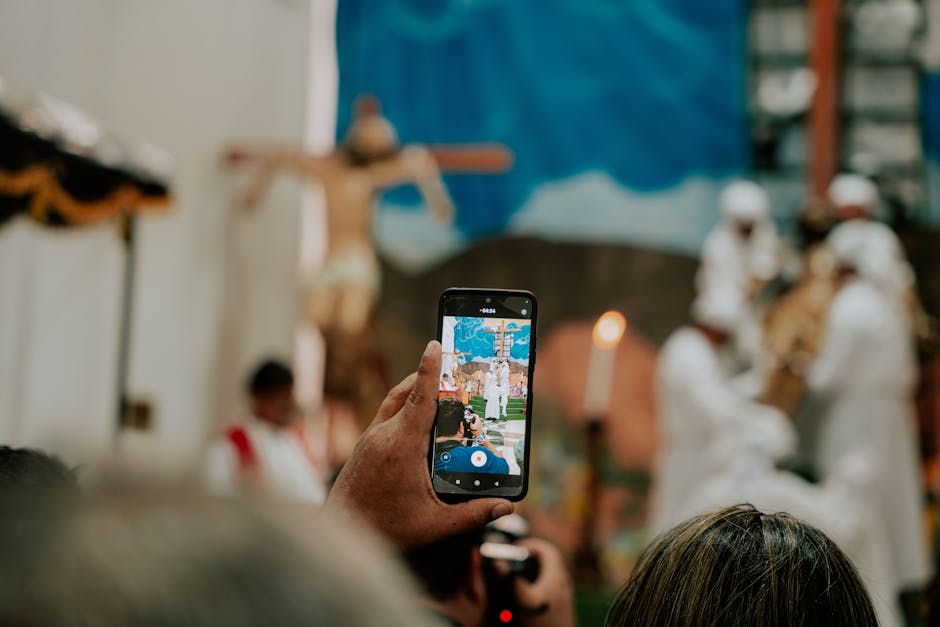
Is technology erasing the essence of what it means to believe? As artificial intelligence continues to seep into every corner of our lives, we must grapple with a question that feels increasingly pertinent: Has AI transformed religion, or is it merely a tool that reflects our own spiritual crises?
According to Religion Unplugged, the rise of chatbots and AI technologies is reshaping the way we interact with faith and spirituality. From virtual confessionals to AI-driven spiritual guidance, technology is being wielded in ways that challenge traditional beliefs and practices.
The Intersection of Technology and Faith
In an age where technology is omnipresent, the intersection of AI and religion is a seismic cultural shift. The emergence of chatbots designed to answer spiritual queries or provide counseling poses an unsettling dilemma: Can a digital entity truly understand the human experience of faith? With religious institutions often struggling to retain their relevance in an increasingly secular world, technology seems to promise a new way forward. Yet, it also risks commodifying the sacred, turning profound spiritual questions into mere algorithms. This is not just about machines answering prayers; it’s about redefining the very nature of belief.
The rapid advancement of technology has led to an existential crisis for traditional religious practices. Faith leaders must now contend with a digital landscape where congregants may seek answers from a chatbot rather than their pastor. For some, this is an innovative solution to pastoral shortages; for others, it’s an affront to genuine spirituality. Are we replacing the divine with a mechanized echo of our own thoughts? The implications are significant and unsettling.
Who Wins in the Tech-Driven Faith Debate?
What’s at stake here is far more than just a technological upgrade in religious practice. The winners in this new frontier may well be tech companies, which can monetize these spiritual tools—turning sacred moments into products. Meanwhile, traditional religious leaders could find themselves marginalized, battling the perception that they are outdated relics in a fast-paced technological world.
However, mainstream narratives often overlook the potential pitfalls of relying too heavily on technology in spiritual matters. Can a chatbot truly offer comfort in times of grief, or simulate the empathy that comes from a human touch? What about the complexities of faith that defy binary logic? The danger lies in allowing technology to reduce the nuances of belief into clean, digestible data points.
One of the most chilling prospects is the idea of spiritual detachment—an era where genuine connection to the divine is substituted for an interaction with a line of code. The very essence of belief, which thrives on mystery and personal experience, risks being diluted into a sterile exchange. As we embrace technology in faith, we must ask ourselves: at what cost?
The future of religion in an AI-dominated landscape remains uncertain. Will chatbots empower churches and help revive waning faith, or will they alienate congregants from the rich, messy reality of spiritual life? With technology developing at breakneck speed, it’s vital that we remain vigilant, safeguarding not just our beliefs but the emotional truths that define our humanity.
In the end, as we navigate this uncharted territory, let’s not forget to ask the fundamental question: What does it mean to believe when belief can be simulated?
Source: Google — Technology & AI