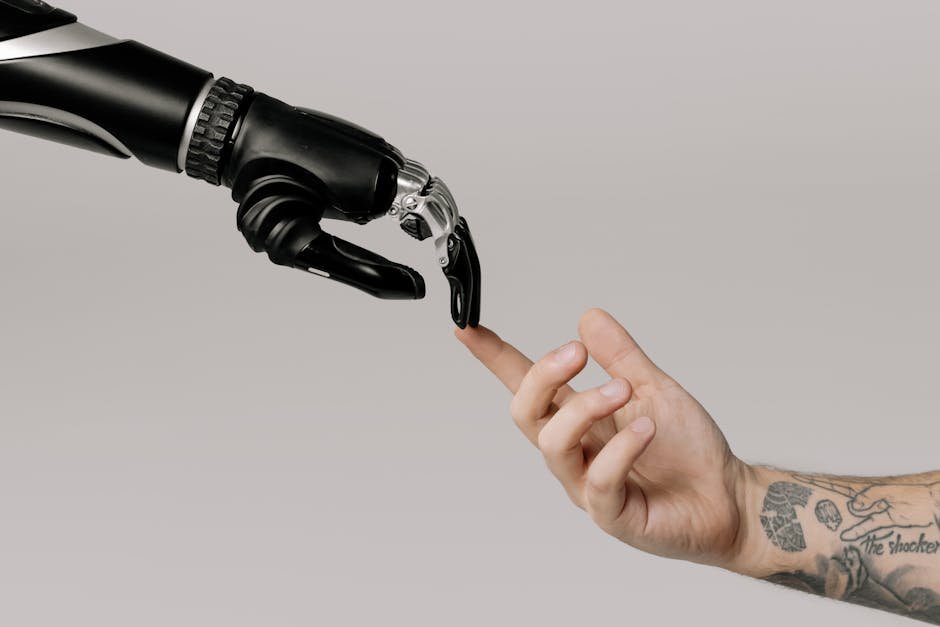
The world of technology has reached a fork in the road, and it’s time we ask ourselves: are we losing our shared humanity in the race towards artificial intelligence and digital advancement? The recent reflections on Pope Leo’s teachings remind us of the essence of our connections, suggesting that while technology offers endless possibilities, it can just as easily strip away the very fabric of our humanity.
According to NPR, the discourse surrounding Pope Leo emphasizes the importance of recognizing our collective human experience amidst the relentless march of technology. His insights serve as a poignant reminder that, as we innovate and evolve, we must also cherish the ties that bind us together.

Technology and the Human Experience
Why is this conversation significant now? As we plunge deeper into a digital age dominated by technology, we are more connected than ever—yet paradoxically, we feel increasingly isolated. The pandemic underscored this disconnection; while technology allowed many to work and socialize remotely, it also highlighted our reliance on screens rather than human interaction. Leaders in various sectors—tech moguls, politicians, and everyday individuals—are grappling with the consequences of this duality. They celebrate the advancements of technology while simultaneously recognizing that human empathy is vital to navigating the future.
For instance, artificial intelligence is transforming countless industries, promising efficiency and convenience. But let’s not kid ourselves; in many cases, these advances come at a cost. They risk creating a divide where human emotions and experiences are sidelined, reduced to mere data points. As we integrate technology into our lives, we must ask ourselves: are we enhancing our humanity, or are we inadvertently dehumanizing our interactions?
The Stakes of Our Digital Future
The stakes couldn’t be higher. On one hand, embracing technology could lead to incredible strides in medicine, education, and communication. On the other, a blind rush toward further automation risks alienating those who are deemed “obsolete” in this new landscape. The mainstream conversation often glosses over these potential pitfalls, focusing instead on the unbridled promise of innovation without addressing the ethical dilemmas it poses.
As Pope Leo’s reflections suggest, we are at a juncture where the human experience must remain central to our discussions about technology. The danger lies in neglecting the emotional and social repercussions of these shifts. If we lose sight of our shared humanity, we may find ourselves building a future devoid of compassion and understanding.
In short, it’s not just about what technology can do; it’s about how we can wield it responsibly. Tech leaders must cultivate an awareness of the human impact of their creations, ensuring that advancements do not come at the expense of empathy and connection.
As we stand on the precipice of a new era, we must reconcile our technological aspirations with our need for community and compassion. The digital world can serve as a platform for enhancing our shared humanity, but only if we consciously choose to prioritize what truly matters.
Will we heed the call to cultivate a future where technology and humanity coexist in harmony, or will we let our devices dictate the terms of our existence? Only time will reveal the paths we choose, but the echoes of Pope Leo’s wisdom offer a crucial compass in navigating these turbulent waters.
Source: Google — Technology & AI