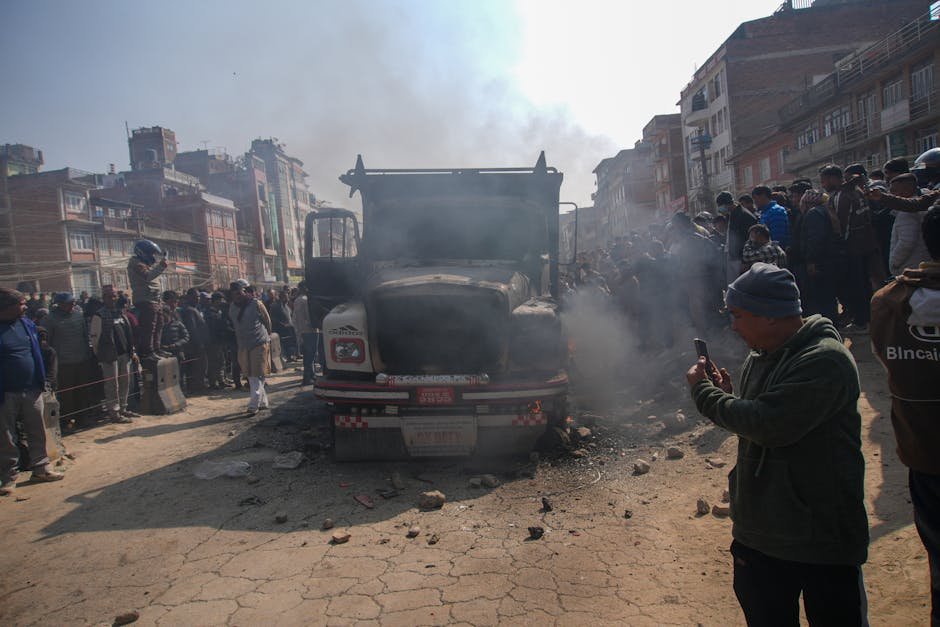
In South Asia, the tragic loss of life is often a grim backdrop to the daily grind, but when 18 people perish in a single accident, it’s a stark reminder that the region’s issues run deeper than just politics or geography. How many more lives must be lost on the treacherous roads of this part of the world before change is demanded?
According to Al Jazeera, a truck carrying Afghan returnees from Pakistan flipped on a highway, leading to the horrifying deaths of 18 individuals. The returnees were attempting to make their way home, highlighting the perilous nature of their journey and the broader context of displacement in the region.
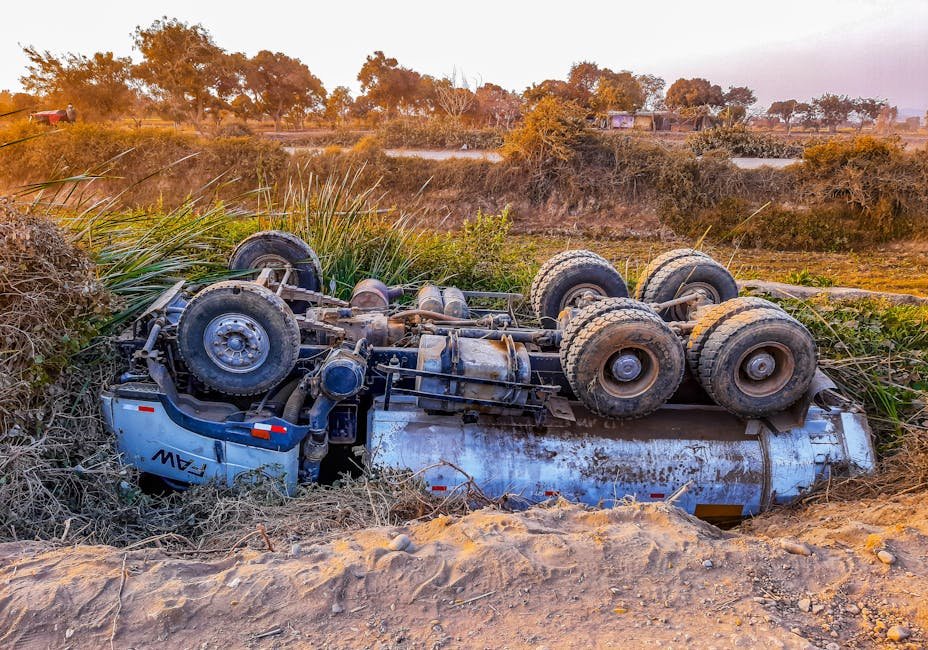
The Context of Tragedy in South Asia
This tragedy is symptomatic of a much larger crisis in South Asia, particularly for Afghan refugees. For years, these individuals have been fleeing war, terrorism, and instability, only to face new challenges once they return home. The ongoing conflict in Afghanistan continues to create a cycle of violence and displacement. With the Taliban now in power, those who fled are returning to a country fraught with uncertainty.
The road infrastructure in Afghanistan and its surrounding areas has not kept pace with the human toll of this ongoing crisis. Trucks are often overcrowded, and safety measures are negligible at best. This incident underscores not just the immediate loss of life but also the systemic failures that allow such tragedies to happen repeatedly.
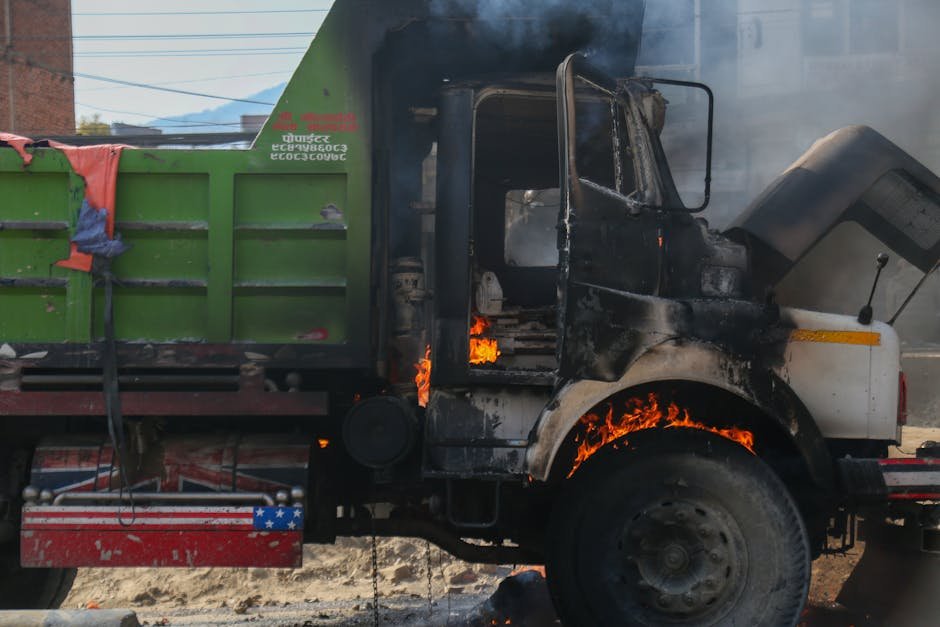
Who Loses in This Ongoing Crisis?
In the wake of this accident, the immediate losers are the families left behind, shattered by grief and loss. However, we must also consider the broader implications. The Afghan government, already grappling with its legitimacy, faces intensified scrutiny. Meanwhile, the international community’s role in addressing the plight of returnees is glaringly inadequate.
This incident could also serve as a wake-up call, but will it? The mainstream narrative often glosses over the human aspect of such tragedies, focusing instead on the geopolitical implications. The truth is, until there is concerted action to improve road safety and humanitarian conditions for returnees, incidents like this will become a grim norm rather than an aberration.
What’s more alarming is the possibility of complacency setting in. As South Asia grapples with numerous crises—political strife, economic hardship, and environmental challenges—one can only wonder when the field of human rights will receive the attention it desperately requires. Will community leaders and policymakers finally prioritize the safety and welfare of these vulnerable individuals, or are they doomed to become just another statistic?
In closing, the chilling flip of a truck bearing Afghan returnees has laid bare the fragility of life in South Asia. This isn’t just about a tragic accident; it’s about a region at a crossroads, where human dignity often takes a back seat to political maneuvering. Unless we act, 18 lives will not just remain a number in a report but rather a stark warning about the urgent need for systemic change. How many more must perish before we decide enough is enough?
Source: Google — South Asia