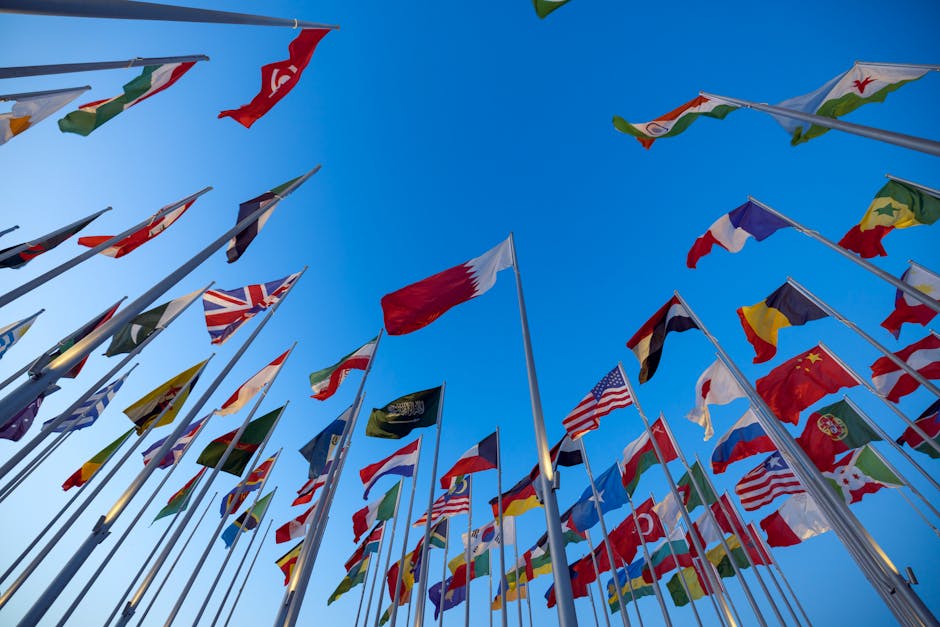
Is Donald Trump really the man to broker peace in the Middle East, or is he just a master of distraction? As he lays out his demands for an Iran deal, many are left wondering if this is a genuine diplomatic effort or merely another episode in his chaotic reality show.
According to CNBC, Trump has notified allies and the world that he’s ready to make a “final determination” regarding the future of the Iran nuclear deal. He has outlined a series of conditions that must be met before he’ll even consider rejoining the agreement, which he famously abandoned back in 2018, leaving international relations hanging in a delicate balance.
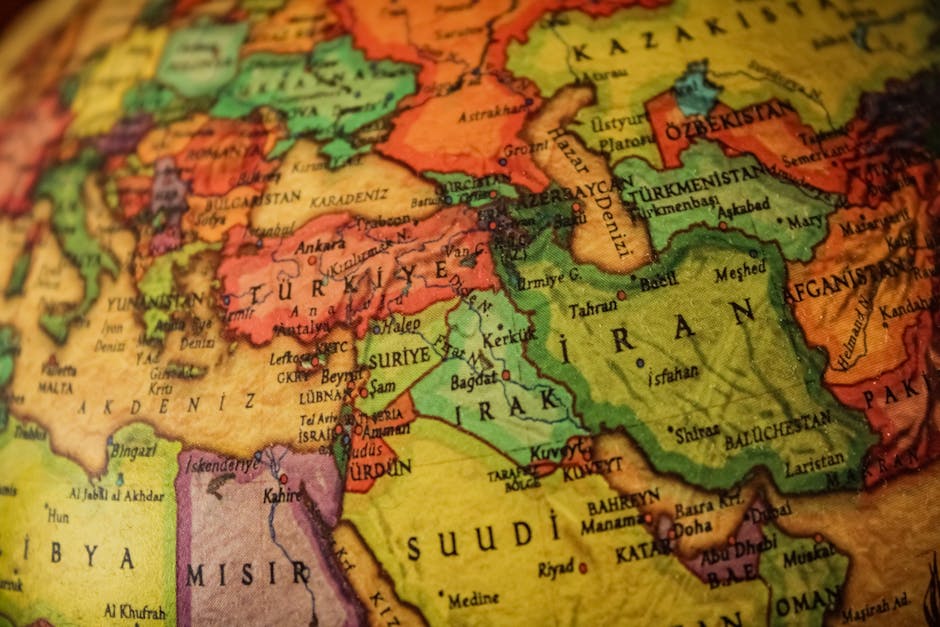
The Stakes in the Middle East
This moment is critical, not just for the United States but for the entire Middle East. The ongoing tensions between Iran and its neighbors, particularly Israel, have been exacerbated by years of sanctions and aggressive posturing. Trump’s return to the diplomatic arena with such demands signals a pivot that could either spark renewed conflict or offer a glimmer of hope for de-escalation. His insistence on tougher terms reflects the complex dynamics at play, where allies like Saudi Arabia and Israel are pressuring the U.S. to take a hard line against Tehran.
The backdrop of this situation is a convoluted history. The Iran deal was designed to prevent the country from obtaining nuclear weapons, but Trump’s earlier withdrawal unraveled years of painstaking negotiations. Now, he’s offering a second chance, even as he’s suspected of using the Middle East as a campaign prop in his quest for the presidency once again.
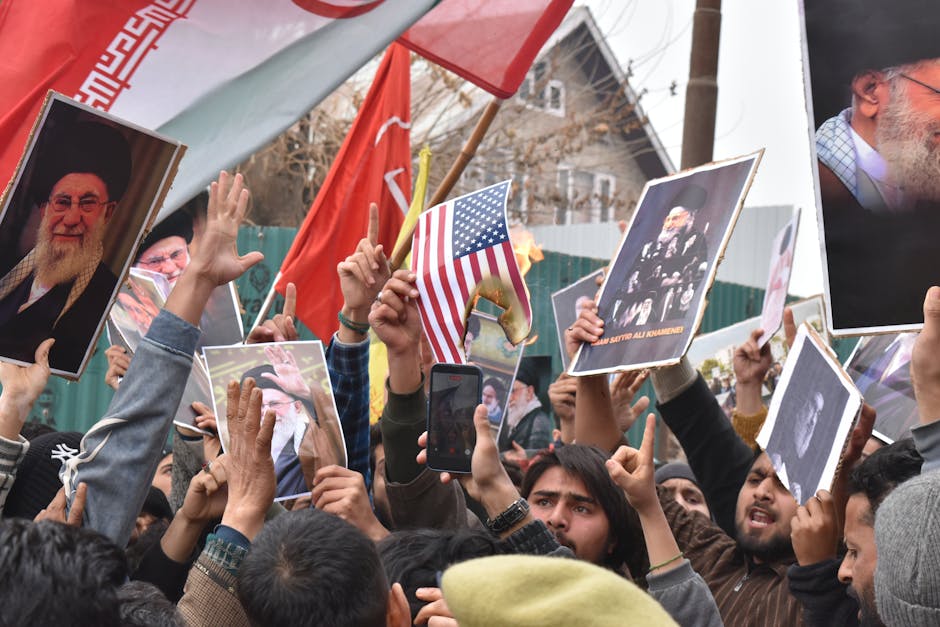
Who Gains and Who Loses in the Middle East?
Trump’s approach raises the stakes significantly. On one hand, it could strengthen his base by positioning him as a tough leader capable of taming what many perceive as a rogue state. However, the reality is that issuing ultimatums without a cohesive strategy risks alienating allies who are already wary of the U.S.’s erratic foreign policy.
There’s also the risk of emboldening hardliners within Iran who might see Trump’s demands as a form of Western interference, thus complicating the already fraught atmosphere. The mainstream media’s portrayal often leans towards the dramatic — focusing on Trump’s bluster rather than the quiet yet crucial conversations happening behind the scenes among diplomats. The stakes are incredibly high; failure to reach an agreement could lead to an escalation of military tensions that no one wants.
In the grand scheme of things, this isn’t just a game of geopolitical chess. The Middle East is a powder keg. Lives hang in the balance, and the ramifications of Trump’s potential failure could echo for years. Whether he can navigate these treacherous waters depends not just on his bravado but on whether he can listen to the voices of those most affected.
As the world watches, one can’t help but wonder what will come of these so-called “demands.” Will they foster peace, or will they ignite further chaos? In a region where the stakes couldn’t be higher, Trump’s next move will be closely scrutinized. The real question remains: can he move from rhetoric to reality without turning the Middle East into even more of a volatile battleground than it already is?
Source: Google — Middle East