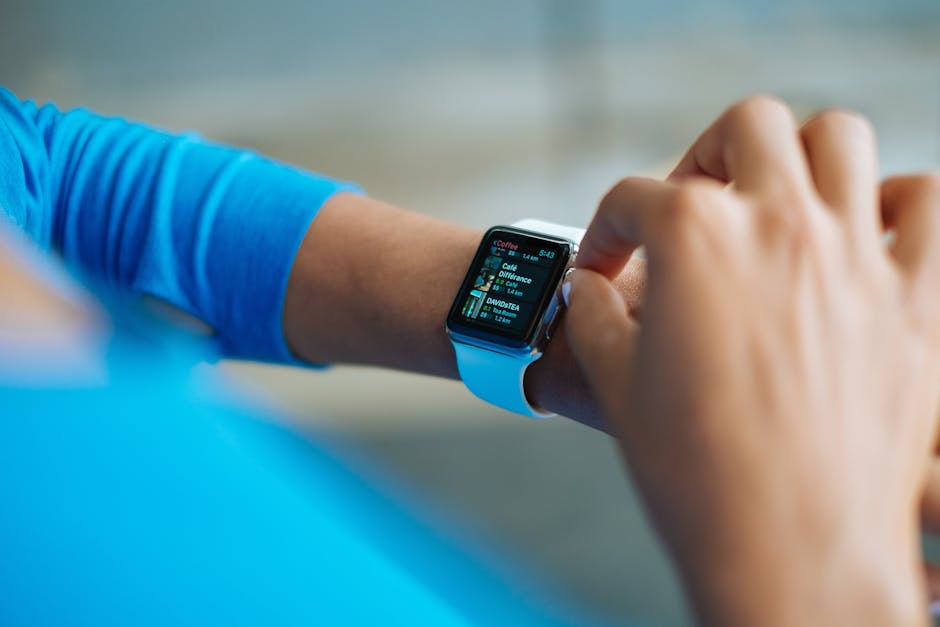
In an age where health has become the new wealth, a trio of innovative technologies is poised to reshape our understanding of personal well-being. According to BBC Technology, recent developments include a sleep apnea wearable, new tech designed to free up hospital beds, and a breast health app. These advancements aren’t just incremental— they could redefine how we engage with our health.
The Intersection of Technology and Health
Right now, the health sector is facing immense pressure. Hospitals are overwhelmed, patients are waiting longer for care, and chronic conditions like sleep apnea are often left unchecked. The introduction of a wearable device for sleep apnea could be a game-changer, helping individuals monitor their conditions more effectively and thus reducing the burden on healthcare systems. Meanwhile, technology aimed at optimizing hospital bed usage could mean faster service for patients, providing much-needed relief during peak seasons. The breast health app offers a personal touch, empowering women to track their health in a proactive manner. All of this comes amid a growing emphasis on preventive healthcare strategies and a shift towards more patient-centric models of care.
The Real Stakes in Health Technology
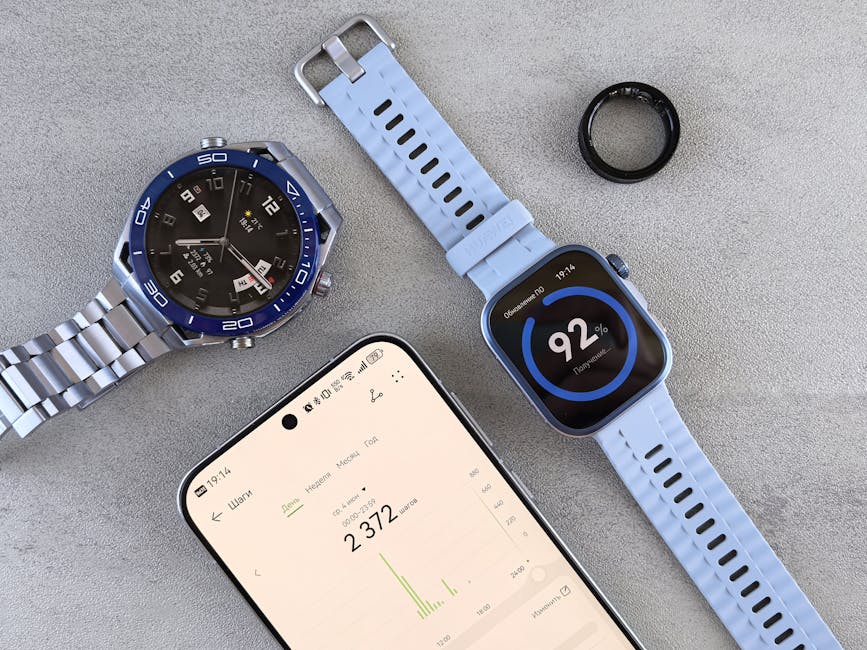
These innovations are not just about convenience—they’re about survival in many cases. The wearable for sleep apnea is particularly significant; it addresses a serious health issue that affects millions but is often underdiagnosed. With this tech, individuals can gather crucial data that may even lead to earlier intervention. On the hospital front, freeing up beds could mean the difference between life and death for patients in critical need of care. However, the reliance on technology in health raises concerns about data privacy and access. Are we prepared to trust these apps and wearables with sensitive health information?
Critics might argue that while technology can enhance healthcare, it’s not a substitute for human touch and expertise. Valid point, but let’s not kid ourselves—the current system is failing many. If a simple app can help women monitor their breast health or a wearable can detect sleep issues before they escalate, then we must embrace these technologies.
As we navigate these emerging trends, there’s a looming question: will we allow the promise of health technology to be overshadowed by fears of privacy or over-reliance on gadgets? The potential for revolutionizing health is there, but it requires us to engage critically and ethically with these tools.
In the end, the marriage of tech and health could lead to a better understanding of well-being, but it won’t be without its complications. The future will depend on how well we embrace, adapt, and regulate these innovations. Will we take the plunge, or will we hesitate at the edge of change? Only time will tell.
Source: BBC Technology