
Is our obsession with health tech just a shiny distraction from the real issues in healthcare? As we delve into the latest innovations, it’s hard to ignore that while we’re busy counting steps and monitoring our sleep, the systemic problems in our health system remain largely unaddressed.
According to the BBC, new developments in health technology include a sleep apnoea wearable, tools designed to free up hospital beds, and a breast health app. These innovations offer exciting prospects for personal health management, but they also raise pressing questions about accessibility and equity in healthcare.
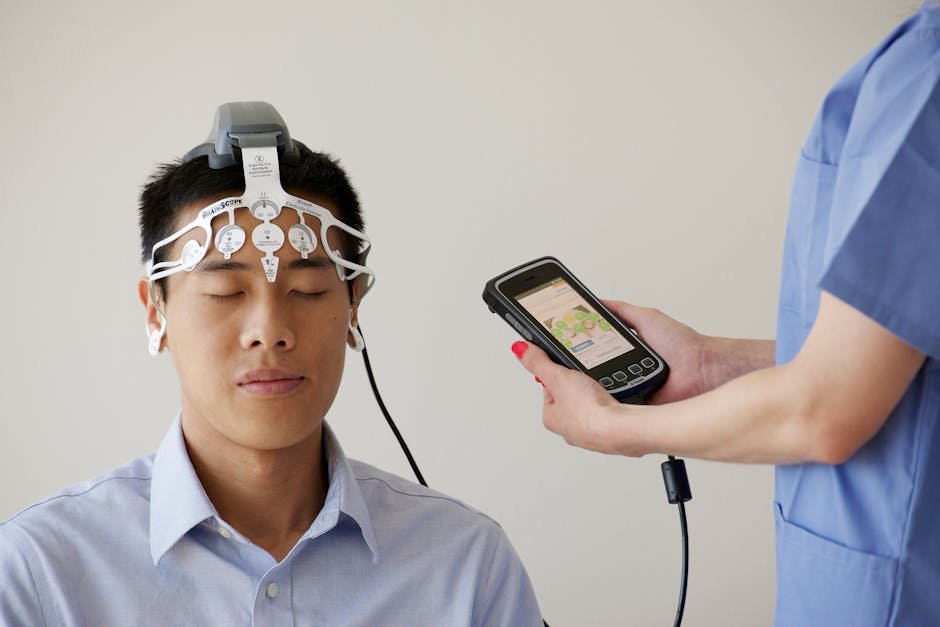
The Intersection of Tech and Health: What’s Happening Now?
In an age where health tech dominates headlines, it’s important to note that these gadgets and apps are often launched in a vacuum. While a sleep apnoea wearable could potentially transform nighttime routines for many, it’s a mere Band-Aid for a complex issue that affects millions. The tools aimed at freeing up hospital beds are another innovation that sounds great in theory, but how will these products be integrated into overwhelmed systems that are already lagging behind in patient care? Meanwhile, the breast health app promises to empower women, yet the question lingers: will it be accessible to all, or will it become just another luxury in the health tech market?
The players in this space are a mix of established companies and start-ups vying for attention. They all claim to be part of the solution, riding the wave of a growing wellness culture. However, one must wonder if they’re genuinely committed to improving people’s lives or merely capitalizing on a trend. The health tech boom is booming, but the disparity in who can actually benefit from these tools is stark.

The Real Stakes of Health Tech: Innovation or Exploitation?
Let’s cut to the chase: health tech can either be a game-changer or a gimmick. On one hand, the potential for improved health outcomes is undeniable. Sleep monitoring has the capacity to help those suffering from sleep disorders regain control over their well-being. Similarly, innovations that optimize hospital utilization could lead to significant efficiencies. Yet, there’s a dark underbelly to this convenience-laden narrative. For every new app or gadget, there’s a risk of exacerbating the divide between those who have access to cutting-edge treatments and those who don’t. As technology advances, the specter of inequality looms larger.
The mainstream narrative often brushes over these implications, painting a rosy picture of health tech revolutionizing our lives when, in fact, it may just be masking the underlying issues of a broken system. Health isn’t solely defined by the devices we wear or the apps we download; it’s rooted in access, education, and social determinants.

So what could go wrong? If we don’t address the accessibility of these technologies, we risk creating a society where health is merely a privilege of the affluent. As tech companies dive deeper into the healthcare realm, we must ask: are they truly invested in public health, or are they just seeking to profit from our fears and insecurities?
In conclusion, while the advancements in health technology are laudable, they serve as a reminder of the critical challenges that remain. As we embrace these innovations, let’s not forget to scrutinize their implications on equity and access. The future of health shouldn’t just be about the latest gadget; it should prioritize genuine health for everyone. Are we ready to have that conversation?
Source: BBC Technology