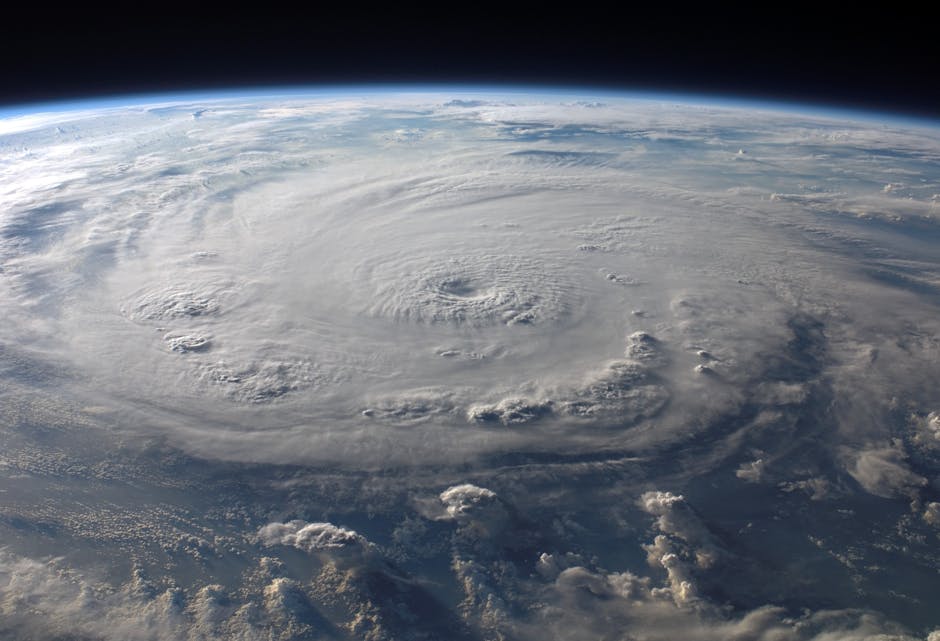
Are we ready for storms that are smarter, faster, and more destructive? The emerging relationship between hurricanes and technology is not just a scientific curiosity; it’s a matter of life and death. As climate change continues to rear its ugly head, the question on everyone’s lips is whether hurricanes are getting stronger and how technology can help us prepare for the worst.
According to News4JAX, scientists are increasingly using advanced technology and AI to predict the future of hurricanes and better understand their growing intensity. This shift in storm forecasting reflects a desperate need for accurate data as weather events become more unpredictable.
The Convergence of Hurricanes and Technology
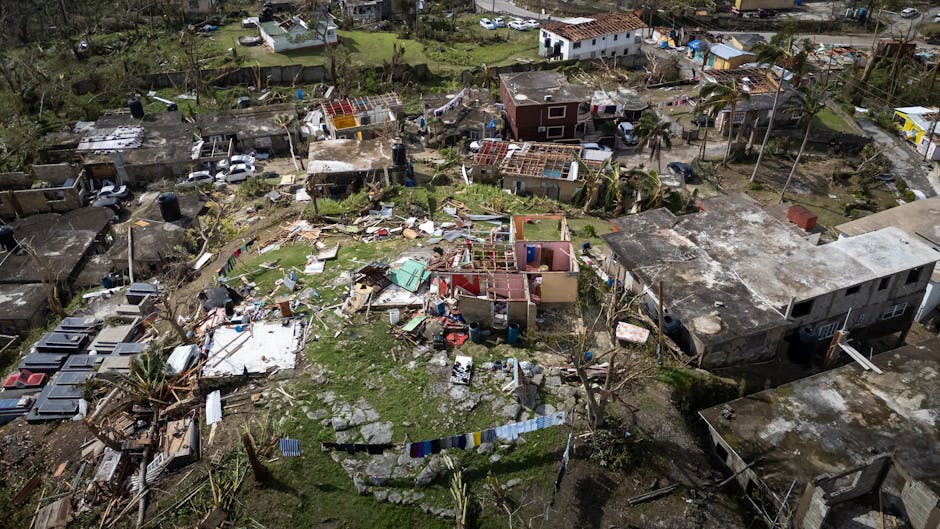
The urgency of this inquiry cannot be overstated. We’ve faced a decade of increasingly severe storms, leaving communities devastated and economies shattered. Every year, hurricane season rolls around and with it, a surge of fear and anxiety. The stakes are higher than ever as warming oceans fuel storms with unprecedented energy. The players in this scenario are not just meteorologists and climatologists; they include tech companies harnessing AI to analyze data and create predictive models. These innovations could be the key to saving lives and billions in potential damages.
However, it raises a crucial question: is our reliance on technology going to help us or hinder us? Will the algorithms that analyze storm data end up being a double-edged sword? As we lean on technology to guide our responses, we must also grapple with the limitations and potential pitfalls of such reliance.
Hot Take: Technology as a Double-Edged Sword
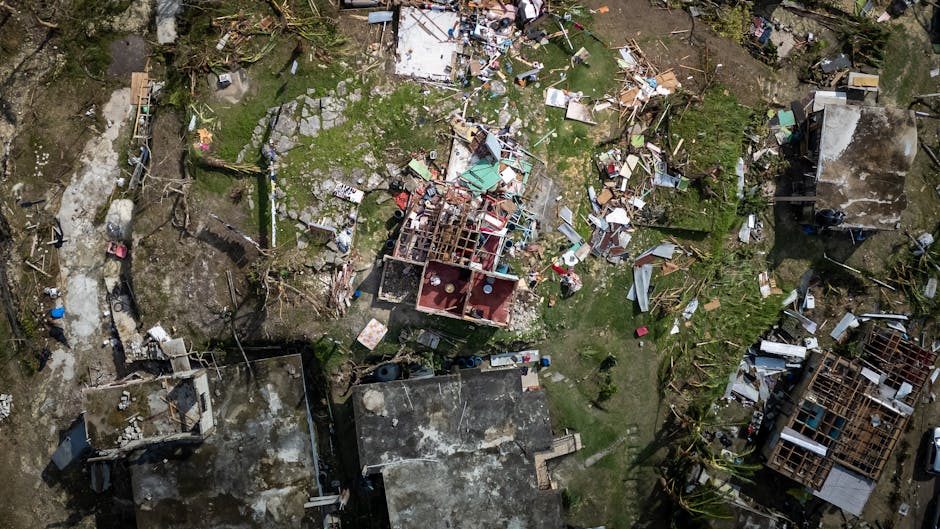
The truth is that while technology can enhance our understanding and forecasting of hurricanes, it can never fully replace the human element in crisis management. Algorithms may yield accurate predictions under ideal conditions, but what happens when the system encounters anomalies or unprecedented weather patterns? Often, it’s not the storms we know that cause the most damage; it’s the ones that catch us completely off-guard.
The mainstream media seems enamored with the idea that technology is a panacea. It’s easy to get swept up in the romance of AI and big data, but let’s not forget the catastrophic consequences of over-reliance on technology. In a world where misinformation is rampant, how do we ensure that communities receive accurate warnings instead of conflicting data? If we become complacent, relying solely on tech while ignoring human intuition and experience, we could face even greater disaster.
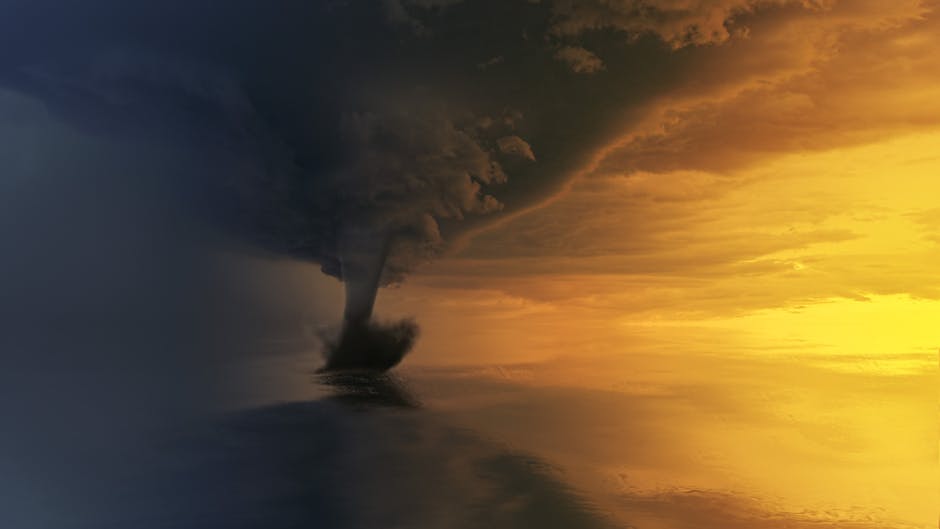
Ultimately, who wins in this tech-driven storm forecasting race? Certainly, the tech companies will profit from government contracts and partnerships, but what about the communities still reeling from past hurricanes? Will they see the benefits of this investment, or will they remain left in the lurch while tech firms cash in?
An equally concerning point is the increasing inequality in disaster preparedness. Wealthier regions will likely thrive while lower-income communities struggle to gain access to the latest technology. Without equitable investment, technology will only deepen the divide in how communities can prepare for and respond to hurricanes.
In this rapidly evolving landscape, we are at a crossroads. Technology holds the potential to revolutionize storm forecasting, but it also threatens to create new forms of vulnerability. As we march toward a future where hurricanes may grow stronger and more unpredictable, it’s imperative that we keep technology in check, ensuring it complements human insight rather than replaces it.
While the future of storm forecasting may indeed be intertwined with technology, let’s ask ourselves: how can we harness this power without losing sight of what truly matters—the safety and resilience of our communities? The answer could determine how well we weather the storms ahead.
Source: Google — Technology & AI