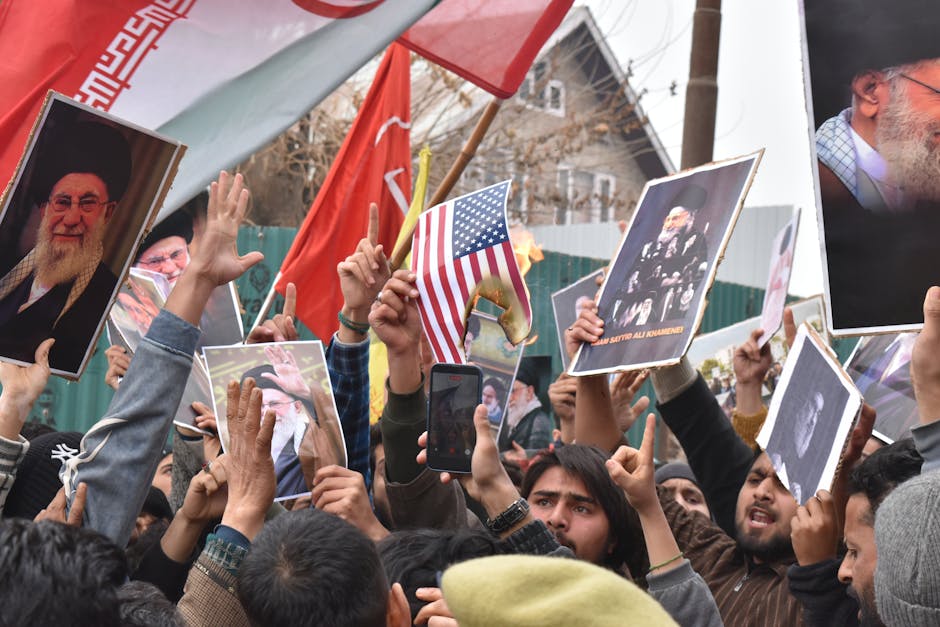
Middle East frames the debate here: The Middle East is a chessboard, and it seems Donald Trump just flipped the board. In a recent interview with PBS News, Trump declared that Iran will not receive sanctions relief in exchange for relinquishing its highly enriched uranium. One can’t help but wonder if this is a calculated move or merely a political stunt aimed at keeping his base riled up.
According to PBS, Trump made it clear that he isn’t interested in any deal that might soften the sanctions imposed on Iran, which have already crippled its economy. This hardline stance comes amid increasing tensions in the region, particularly as Iran inches closer to developing nuclear weapons capabilities.
The Stakes in the Middle East
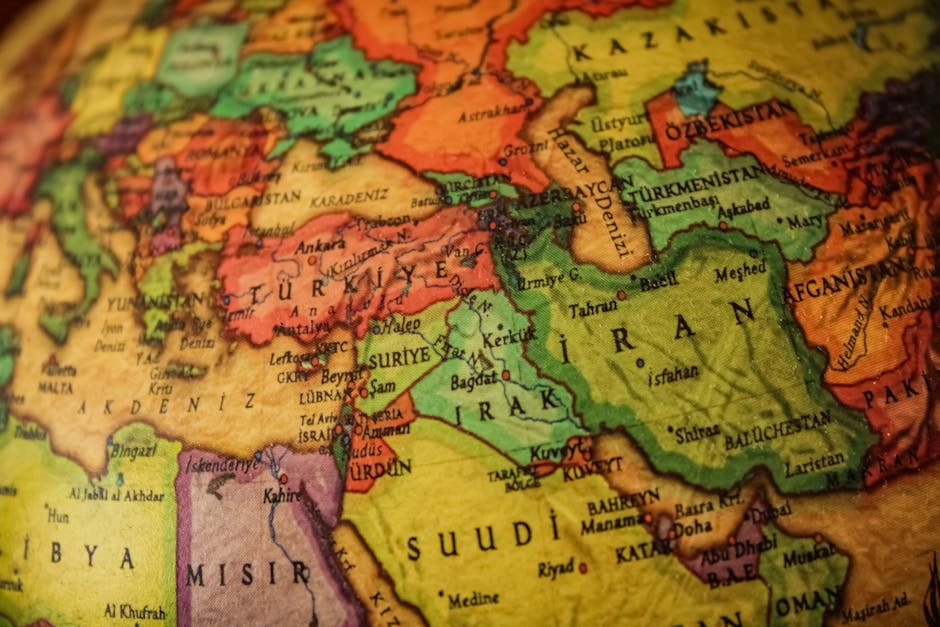
Why does this matter now? The Middle East has long been a volatile region, where power dynamics shift with a breeze. Iran, seen by many as the biggest threat to stability, has been enriching uranium, much to the chagrin of the United States and its allies. The implications of Trump’s comments are massive; they could solidify the current U.S. strategy of maximum pressure on Iran while also rallying his political base ahead of the upcoming elections.
In this complex web, we have various players at the table: the U.S., Israel, Saudi Arabia, and Iran. Each has its own agenda, and Trump’s refusal to grant sanctions relief signals a continued alignment with Israel’s hardline stance on Iran. However, this strategy is fraught with risks. By tightening the screws on Iran, the U.S. could inadvertently push it closer to its nuclear ambitions, exacerbating the very crisis it seeks to prevent.
Analyzing the Fallout
So, who wins and who loses in this tense game? In the short term, Trump might score points domestically—his base thrives on a tough stance against perceived enemies. Yet in the long term, this approach could backfire spectacularly. The Middle East is not a place where bluster wins; the consequences of miscalculation can lead to military conflict. If Iran feels cornered, it might accelerate its nuclear program out of desperation.
Moreover, what’s often missed in mainstream discourse is the human aspect of these sanctions. While political leaders engage in rhetoric, it’s the Iranian people who suffer the fallout. They are caught in a web of geopolitics, enduring economic hardship and social unrest. This dynamic is rarely acknowledged in the grand narratives spun by politicians.
In a world where diplomacy could pave the way for a more stable Middle East, Trump’s declaration feels like a throwback to an era of bluster and bravado. The question remains: will he prioritize political gains over a sustainable peace, or will he choose a course that could lead to a more secure future for everyone involved?
The Middle East is at a crossroads, and the next moves from all parties will determine whether we head toward confrontation or cooperation. As we watch the chess pieces move, one must wonder—is anyone really thinking five steps ahead?
Source: Google — Middle East