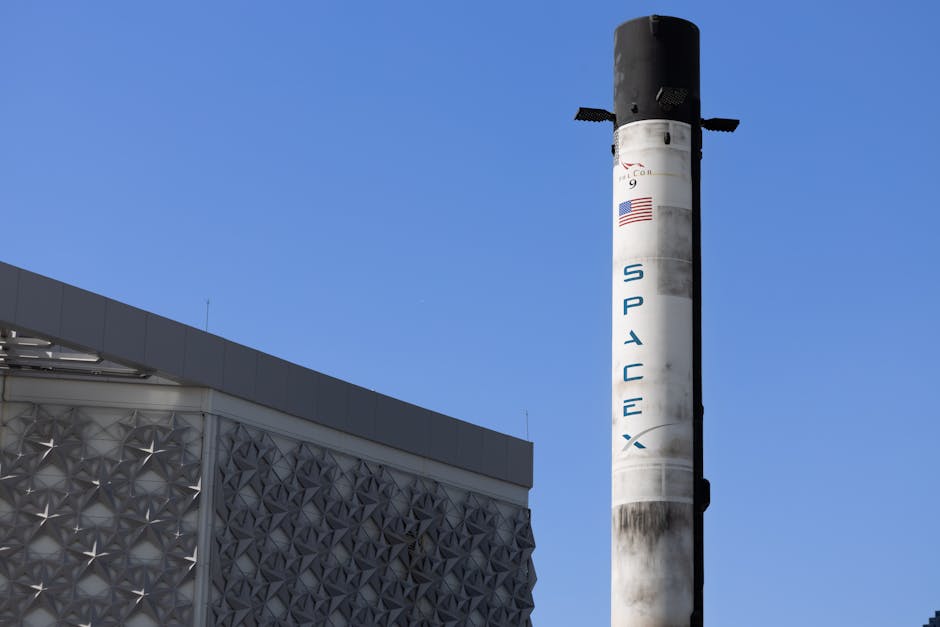
Starship Delay frames the debate here: The world of markets is often a game of smoke and mirrors, and Elon Musk’s SpaceX has just pulled one of the biggest stunts yet by postponing its highly anticipated Starship launch. This decision comes a mere day after the company revealed ambitious plans for a record-breaking stock market debut, raising eyebrows and questions about what’s really going on behind the scenes.
According to BBC Technology, SpaceX has delayed its next Starship launch, which was expected to be a major milestone for the company. This postponement follows an announcement regarding plans for a significant stock market entry that could shake up the industry.

The Dynamics of Markets and Space Exploration
This delay is not just a scheduling hiccup; it’s a strategic move that hints at deeper issues at play. SpaceX is not only a pioneer in space technology but also a key player trying to navigate the cutthroat world of global markets. With the stock market debut on the horizon, investors and analysts are keenly observing every move. The question is: Is this postponement a sign of potential troubles, or is it a calculated tactic to optimize their market debut?
The timing of this decision is crucial. As we witness an increasingly competitive landscape in both aerospace and tech industries, investors want assurance that SpaceX is firing on all cylinders. Delaying a flagship launch may signal to the markets that the company is not entirely ready to tackle the challenges ahead, especially when it comes to regulatory scrutiny and technological readiness.
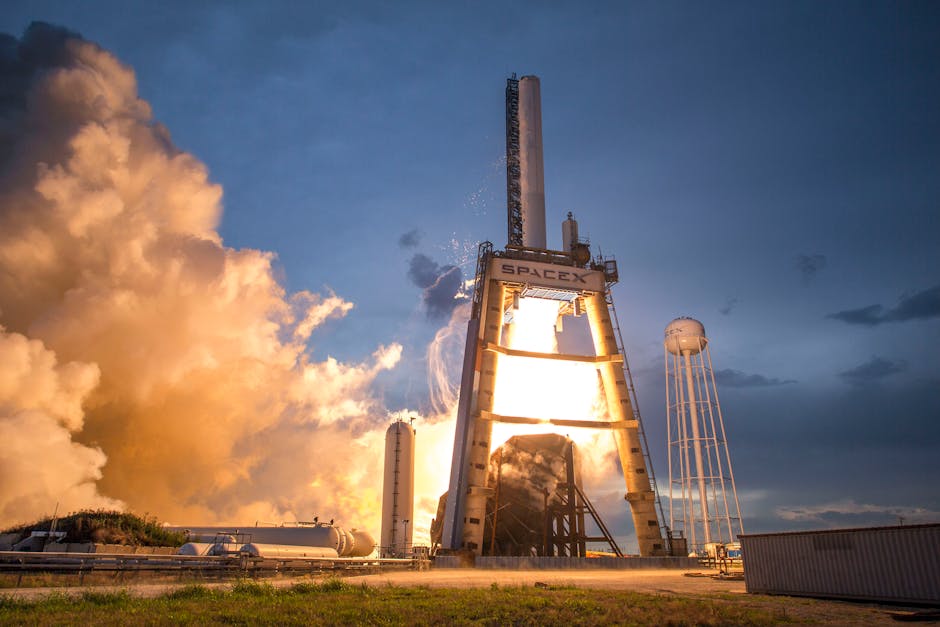
Hot Take: Who Wins and Who Loses?
In the high-stakes game of markets, every action has ramifications. While this postponement could be seen as a loss for the ambitious image Musk has built, it may also offer an opportunity for SpaceX to reassess its position. Investors might view this as a cue to temper their enthusiasm, leading to potential volatility in the stock price. On the flip side, taking extra time might ensure a smoother launch and a more favorable reception when they finally hit the public market.
However, the implications extend beyond just financial metrics. The global space race is heating up, and competitors are not standing still. Countries and companies around the world are investing heavily in space exploration. If SpaceX appears hesitant or unprepared, it might hand the upper hand to rivals like Blue Origin or even state-sponsored ventures from regions such as the Middle East and South Asia, where ambitions are just as lofty.

On the other hand, there’s a counterargument to consider. Delaying a launch for the sake of thorough preparation could be viewed favorably by those in the market who prioritize safety and reliability over speed. After all, a delayed but successful launch could bolster investor confidence in the long run, particularly if it showcases advancements in technology.
Ultimately, while the markets react to this postponement, it’s crucial to remember the long game. SpaceX’s future hinges not just on immediate launches but on its ability to sustain innovation and capture investor trust over time.
As we watch this saga unfold, one question lingers: Can Musk balance the pressures of rapid advancement with the meticulous care required in the highly scrutinized world of markets? The answer could redefine not only SpaceX’s trajectory but the entire aerospace industry. The stakes are high, and the world will be watching closely.
That tension around Starship Delay Spacex is not going away.
That tension around Starship Delay is not going away.
Source: BBC Technology