Diplomacy Stumbles frames the debate here: The chaotic dance of diplomacy in the Middle East is reaching dizzying heights, and it seems the United States is stepping on its own toes. Iran has publicly accused the U.S. of acting in “bad faith” after recent airstrikes during crucial peace talks. This isn’t just another flashpoint; it’s yet another glaring reminder of the contradictions embedded in American foreign policy.
According to PBS, Iran’s comments came in response to U.S. military actions that disrupted negotiations aimed at stabilizing the region. These strikes suggest a complete lack of commitment to a peaceful resolution, contradicting the narrative of cooperation the U.S. has tried to construct.
The Stakes of Peace in the Middle East
This situation matters now more than ever. The Middle East is a volatile region where tensions can escalate with the slightest provocation. The U.S. has long been involved in a game of chess here, with various factions vying for power and influence. The players are complex: on one side, Iran seeks to expand its influence amid a landscape of traditional rivalries; on the other, the U.S. is trying to maintain a semblance of control while also promoting peace. However, these recent airstrikes send a clear message that the U.S. is not genuinely committed to its own diplomatic efforts.
The backdrop of this drama is significant. Years of sanctions, military intervention, and political maneuvering have led to a fragile state of affairs where trust is already in short supply. The Iranian leadership views the U.S. actions as a betrayal, further alienating them from negotiations. In a region where alliances shift like sand, the implications of this moment could reverberate for years.
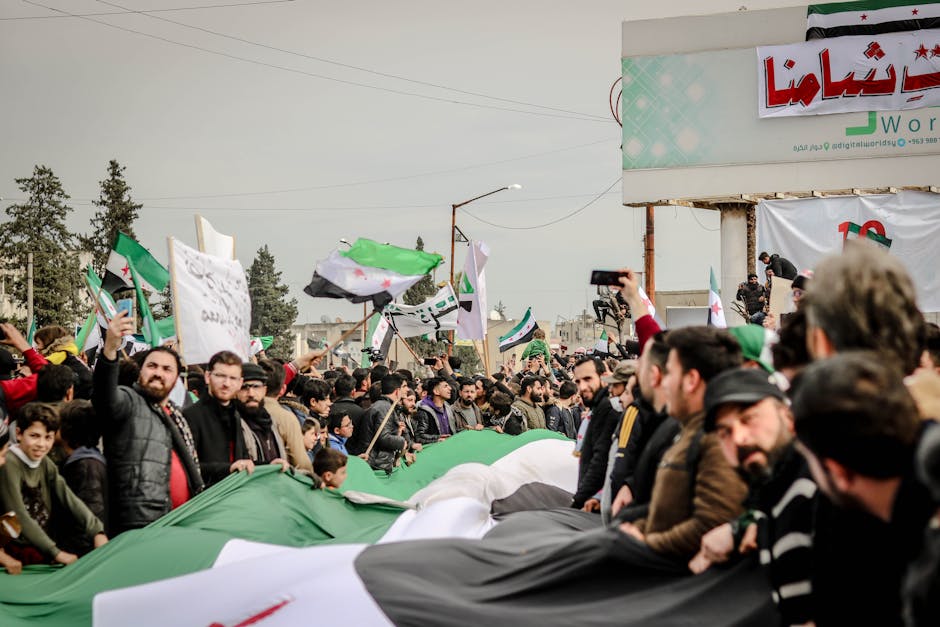
Who Gains from Chaos in the Middle East?
In the grand scheme, who really benefits from the chaos in the Middle East? The answer is complicated. Iran has something to gain by rallying its public against the perceived American aggression, painting itself as a victim of U.S. imperialism. On the other hand, the U.S. could argue that its actions are aimed at countering threats to regional allies, but this is starting to look more like an excuse than a strategy.
The real losers here are the everyday citizens caught in the crossfire. With each military strike, the likelihood of a peaceful resolution diminishes. Meanwhile, the mainstream media often glosses over the human element of these conflicts, focusing instead on geopolitical strategy. But make no mistake: in the Middle East, the stakes are life and death.

What could go wrong next? If the U.S. continues down this path, it risks pushing Iran closer to extremism while alienating potential allies who are tired of American overreach. The irony is thick—America’s attempts to enforce stability could end up fueling the very instability it seeks to eradicate.
The U.S. has a clear choice to make: either double down on a military approach that has failed repeatedly or pivot to genuine diplomacy that acknowledges the complexities of the Middle East. Unfortunately, the odds of the latter happening seem slim.
In closing, the question lingers: Can the U.S. find a way to restore trust in the Middle East, or is it destined to remain the bull in the china shop of global diplomacy? As the world watches, only time will tell if peace is truly the goal or just a facade behind which the U.S. continues its military ambitions.
That tension around Diplomacy Stumbles is not going away.
Source: Google — Middle East