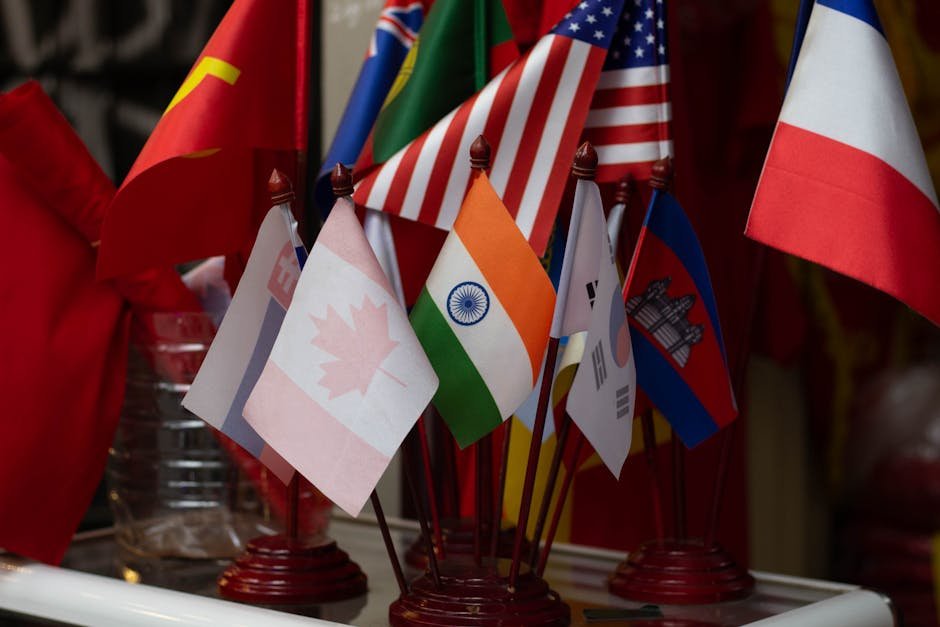
South Asia Resource frames the debate here: Amid the ongoing geopolitical tug-of-war, the recently announced critical minerals deal between India and the U.S. raises a crucial question: Is South Asia about to become the new battleground for global resource supremacy?
According to Al Jazeera, the U.S. and India have entered a partnership to secure critical minerals essential for technology manufacturing and energy transition. This agreement comes at a time when both nations are keen on reducing their reliance on China for these vital resources.
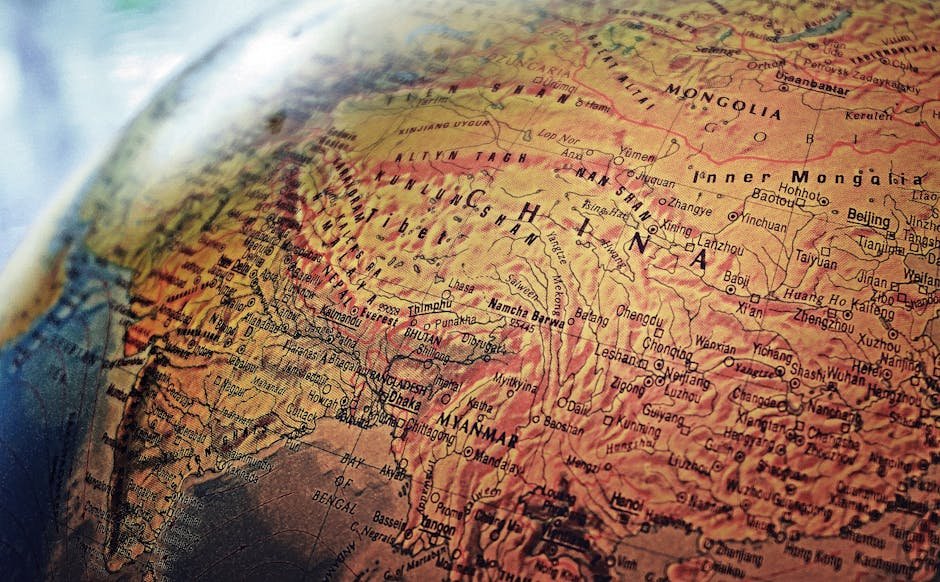
Why South Asia Matters Now
This deal is no mere trade agreement; it’s a strategic maneuver rooted in the shifting dynamics of global supply chains. As China continues to tighten its grip on supply chains, particularly for rare earth elements and minerals like lithium and cobalt, countries like India are taking note. The partnership aims to bolster India’s position in the global market while offering the U.S. a reliable alternative to its current over-dependence on Chinese exports.
Furthermore, with the world scrambling to transition to renewable energy, South Asia’s mineral resources have suddenly become hot commodities. India, blessed with substantial deposits, finds itself in a prime position to exploit these assets. This is a significant shift in the region’s economic landscape, and it emphasizes India’s growing influence in international affairs.
The Stakes of the Deal
On the surface, this agreement looks like a win-win for both countries. India gains access to advanced technology and investment, while the U.S. can diversify its supply chains, but the stakes are far higher. The implications of this partnership stretch beyond economics. If executed well, it could signal a formidable shift in power dynamics, with South Asia emerging as a linchpin in the global economy.
However, there are risks. If India fails to manage its natural resources responsibly, environmental degradation could follow, leading to local unrest. Additionally, these critical minerals deal could lead to increased tensions with China, which has already shown it won’t sit idly by as its influence wanes.
The broader question looms: Can India navigate these choppy waters without sacrificing its autonomy? If it aligns too closely with U.S. interests, it risks alienating its other neighbors, particularly China and Pakistan, who may see this partnership as a direct threat.
With the stage set, we should keep an eye on how this partnership evolves. The spotlight is on South Asia like never before, and how India handles this crucial juncture will shape not just its future, but the global order in the coming decades.
In this new game of resource diplomacy, who will come out on top? As the wheels of this critical minerals deal start to turn, the world watches, poised to see if South Asia can transform from a region often overlooked into a cornerstone of global economic power.
That tension around South Asia asias is not going away.
Observers say South Asia asias will shape the debate for months.
That tension around South Asia Resource is not going away.
Source: Google — South Asia