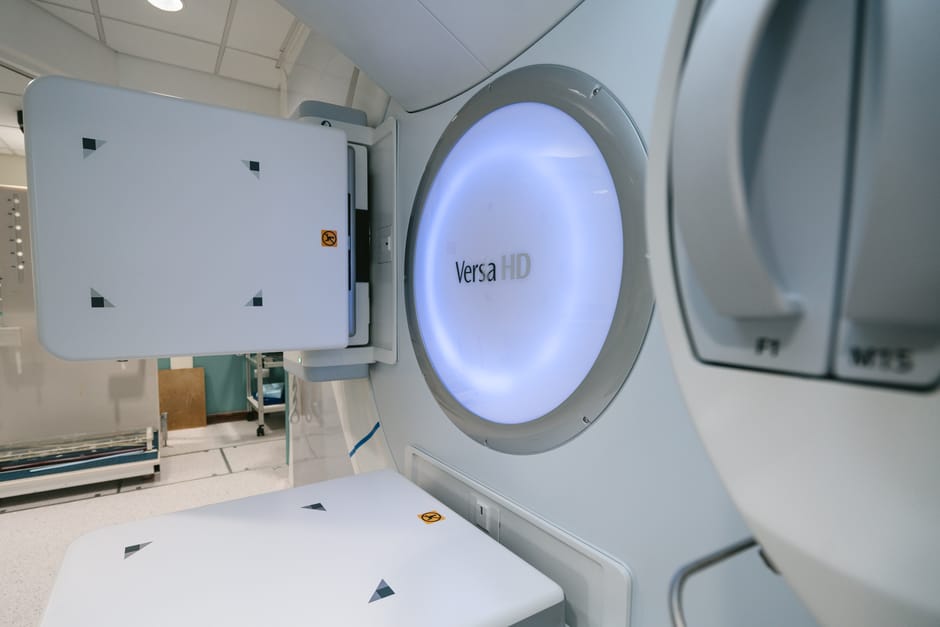
Artificial intelligence Oncology frames the debate here: Artificial intelligence is no longer just a buzzword; it’s a game changer in the field of oncology. As technology advances, the integration of AI into cancer research and treatment processes is revolutionizing how we understand and fight this disease. But with such monumental shifts come complicated questions: Are we ready to embrace this tech-driven future in healthcare?
According to CancerNetwork, the application of AI is impacting clinical trials, transforming workflows, and ultimately improving patient outcomes in oncology. These innovations are ushering in a new era of precision medicine, where treatments are tailored to a patient’s specific genetic makeup.
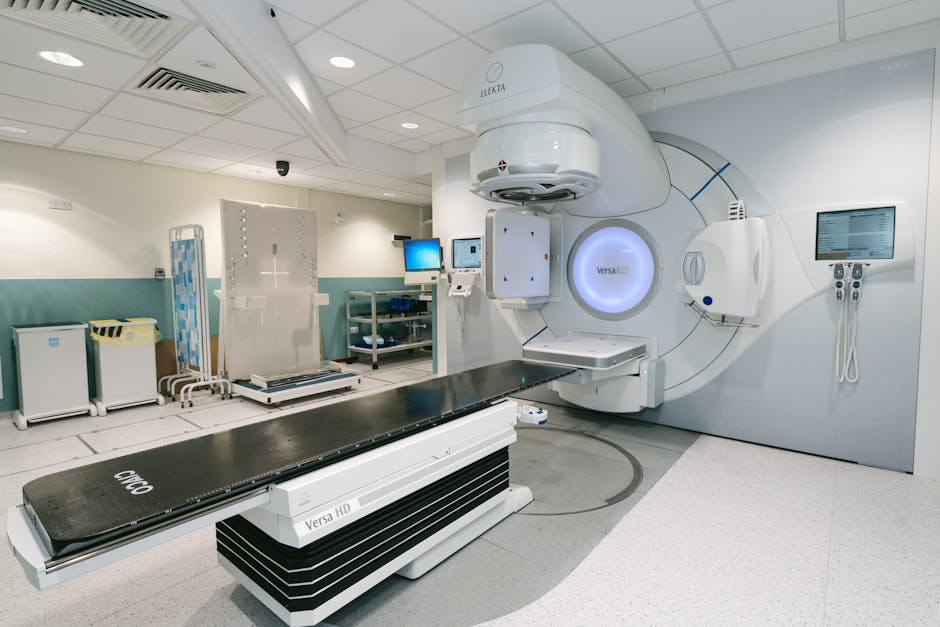
The Technology Transforming Oncology
Why does the evolution of technology in oncology matter now? We’re at a critical junction: the global cancer burden continues to escalate, with a projected increase in cancer cases in the coming years. Traditional methods of diagnosis and treatment are simply not keeping pace. Enter AI, which promises to streamline and enhance the oncology landscape by analyzing vast datasets more efficiently than any human ever could. The players in this game are diverse, from tech giants developing AI algorithms to hospitals and research institutions willing to adopt these cutting-edge methods. With patient outcomes on the line, the stakes couldn’t be higher.
However, it’s not all smooth sailing. While the potential benefits of AI in oncology are immense, they come with significant challenges. The integration of technology into clinical workflows raises concerns about data security, the transparency of AI decision-making, and the potential for biases in algorithmic assessments. As machine learning models are only as good as the data fed into them, there’s a genuine risk of perpetuating inequalities if the data is not representative.
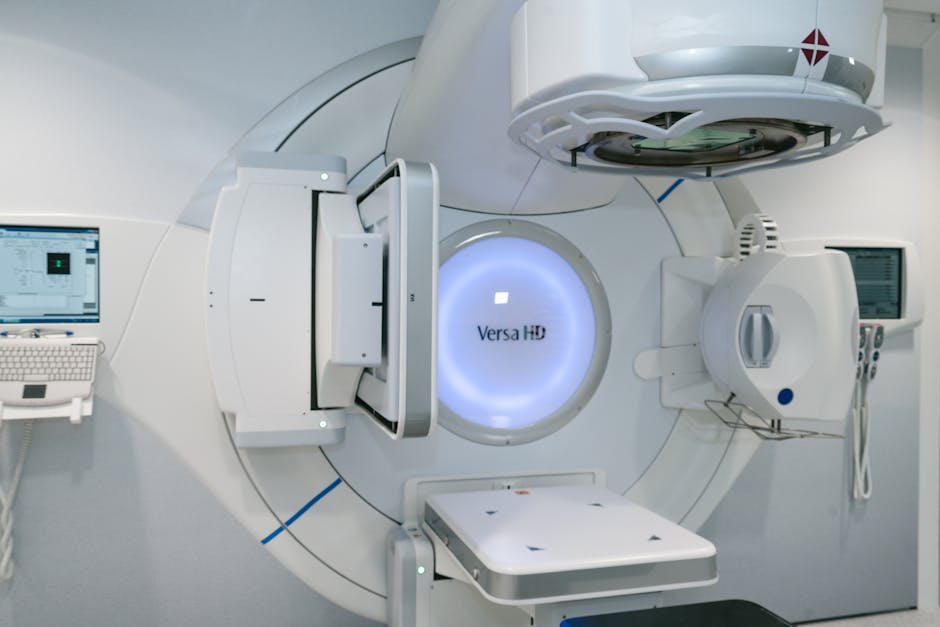
The High Stakes of AI in Cancer Treatment
The implementation of AI in oncology presents a classic case of “who wins and who loses.” If done correctly, we could see faster, more accurate diagnoses and personalized treatment plans that drastically improve survival rates. This is a massive win for patients and healthcare providers alike. However, if we allow tech to dictate outcomes without proper oversight, we could end up with a system that favors efficiency over patient care. The mainstream narrative often overlooks the human aspect of these innovations. It’s easy to get excited about the technology, but we must remember that behind every algorithm, there are real lives at stake.
Moreover, the question of accountability looms large. If an AI system makes a mistake in diagnosing a patient, who is responsible? The developers of the technology? The healthcare providers who implemented it? This ambiguity could lead to a chilling effect on innovation if healthcare professionals become hesitant to rely on AI.

In conclusion, as AI continues to reshape oncology, one must ponder: Can we balance the incredible potential of this technology with the necessary safeguards to ensure that it serves humanity, rather than jeopardizing it? The answers lie not just in the labs of tech companies, but in the halls of hospitals and the hearts of every individual fighting cancer. The evolution of technology in oncology isn’t just about algorithms; it’s about how we choose to wield that power in the complex world of healthcare.
That tension around artificial intelligence revolutionizes is not going away.
Observers say artificial intelligence revolutionizes will shape the debate for months.
That tension around artificial intelligence Change is not going away.
That tension around artificial intelligence Oncology is not going away.
Source: Google — Technology & AI