Iran Khamenei frames the debate here: The Middle East is a tinderbox, and Iran’s supreme leader, Ali Khamenei, is hiding in the shadows. This is not just a man seeking refuge; it’s a seismic shift in the region’s power dynamics as U.S. intelligence reports that Khamenei is holed up in an undisclosed location, stirring speculation and concern about the stability of Iran and its influence across the Middle East.
According to CBS News, Khamenei’s whereabouts have become a subject of interest and anxiety, as U.S. officials suggest his retreat indicates a potential crisis within the Iranian regime. The timing of this revelation raises eyebrows, especially following weeks of unrest and political maneuvering in Iran, along with increasing tensions with Western nations.
The Context of Khamenei’s Secrecy in the Middle East
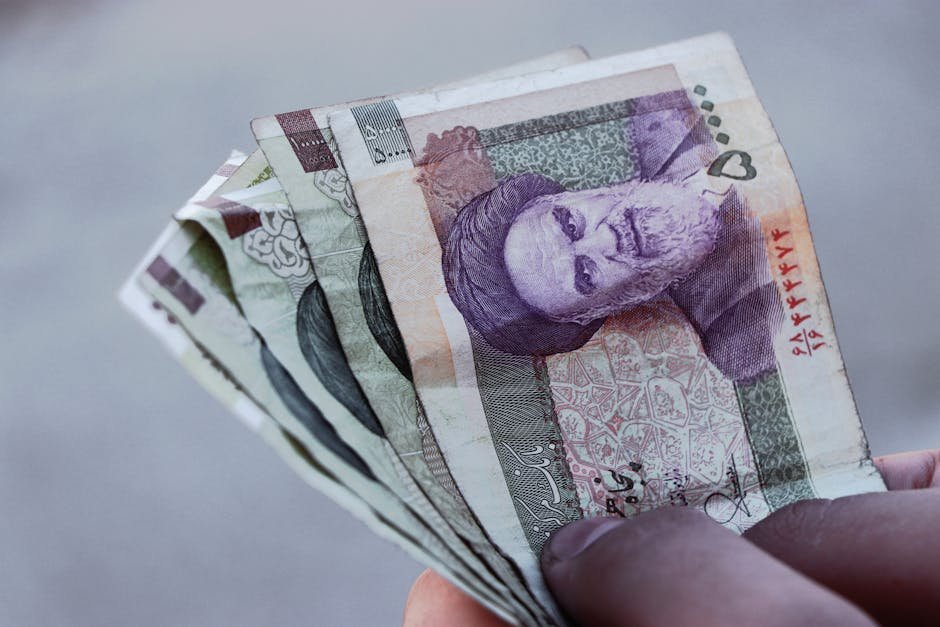
This development matters greatly in the current geopolitical landscape. Khamenei’s prolonged absence from the public eye is unusual for a leader who has thrived on projecting strength and control. Iran’s economy is in tatters, largely due to international sanctions, and internal dissent is bubbling over as citizens question the regime’s legitimacy. Khamenei’s disappearance could symbolize more than just personal security; it may indicate deeper fractures within the Iranian leadership.
Who are the key players at this moment? The Iranian government, led by Khamenei, has faced fierce opposition from reformists and activists demanding change. Meanwhile, the United States and its allies are watching closely, ready to react to any signs of instability that could lead to further unrest in the Middle East. The stakes are incredibly high; a weakened Iranian government could alter the balance of power in the region, potentially creating a vacuum that rivals or even extremist groups might exploit.
A Power Vacuum in the Middle East
So, who stands to gain or lose from this uncertainty? The answer isn’t straightforward. On one hand, should Khamenei’s absence lead to a power struggle, it could trigger a chaotic free-for-all as factions vie for control within Iran. This could jeopardize the fragile peace in the Middle East, with implications spilling over into Syria, Iraq, and beyond. On the other hand, if the regime falls or weakens significantly, it might open doors for more moderate forces to emerge, changing the dynamics of Iranian politics.
However, the mainstream narrative often overlooks a critical factor: the possibility that a weakened Iran could lead to a more aggressive posture from surrounding nations. Countries like Saudi Arabia and Israel may feel emboldened to act in ways that escalate conflict. The vacuum created by Khamenei’s potential absence could lead to dangerous miscalculations by regional adversaries, who may see an opportunity to strike while Iran is perceived as vulnerable.
Khamenei is not just a figurehead; he’s the linchpin holding together various factions within a deeply divided country. Continued speculation about his condition and whereabouts will only intensify the anxieties surrounding Iran’s future.
As we move deeper into a week filled with political maneuvering and market reactions, one thing is certain: the state of the Middle East hinges on Khamenei’s next move, whether he re-emerges to reaffirm his authority or remains hidden, leaving the questions of Iran’s future hanging in the air. Will this be the moment of reckoning, or will the regime find a way to reassert its grip? The world is watching, and the implications will be felt far beyond Iran’s borders.
That tension around Iran irans is not going away.
Observers say Iran irans will shape the debate for months.
That tension around Iran Khamenei is not going away.
Source: Google — Middle East