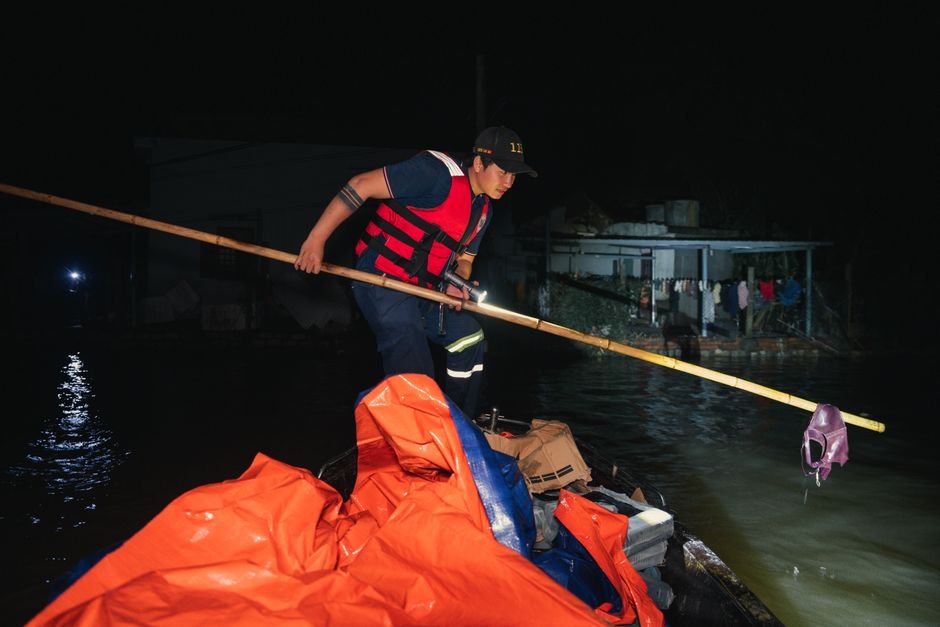
The **nepal flood** that ravaged the Himalayan nation this monsoon season is already being turned into a diplomatic chess move, and the stakes are higher than any rescue effort. India’s swift deployment of aid and infrastructure promises is less about altruism and more about a calculated bid to outflank a increasingly assertive Beijing.
According to Reuters, India dispatched emergency teams, medical supplies, and temporary bridges to flood‑hit districts within hours of the disaster, while simultaneously announcing a multi‑billion‑dollar reconstruction package. Beijing, for its part, has sent a modest contingent of engineers and pledged “humanitarian assistance,” a gesture many observers deem symbolic compared to New Delhi’s expansive rollout.

Nepal Flood: Geopolitical Ripples
The **nepal flood** has exposed the fragility of Kathmandu’s balancing act between its two giant neighbours. Historically, Nepal has walked a tightrope, accepting Indian security guarantees while courting Chinese investment in roads, railways, and hydropower. The latest deluge, however, has shifted the equilibrium. India’s rapid response taps into a legacy of cross‑border kinship—shared rail lines, open borders, and a cultural affinity that still resonates in the Terai region. By contrast, China’s “soft” aid arrives on a slower logistical track, hampered by limited ground presence and bureaucratic red tape.
What matters now is not the volume of sandbags but the narrative each power is trying to write. New Delhi frames its assistance as a natural extension of the “India‑first” neighbourhood policy, insisting that a stable Nepal is essential for regional security and trade continuity. Beijing, meanwhile, positions its involvement as a “development partnership” that respects Nepal’s sovereignty, hoping to offset any perception of Indian dominance.
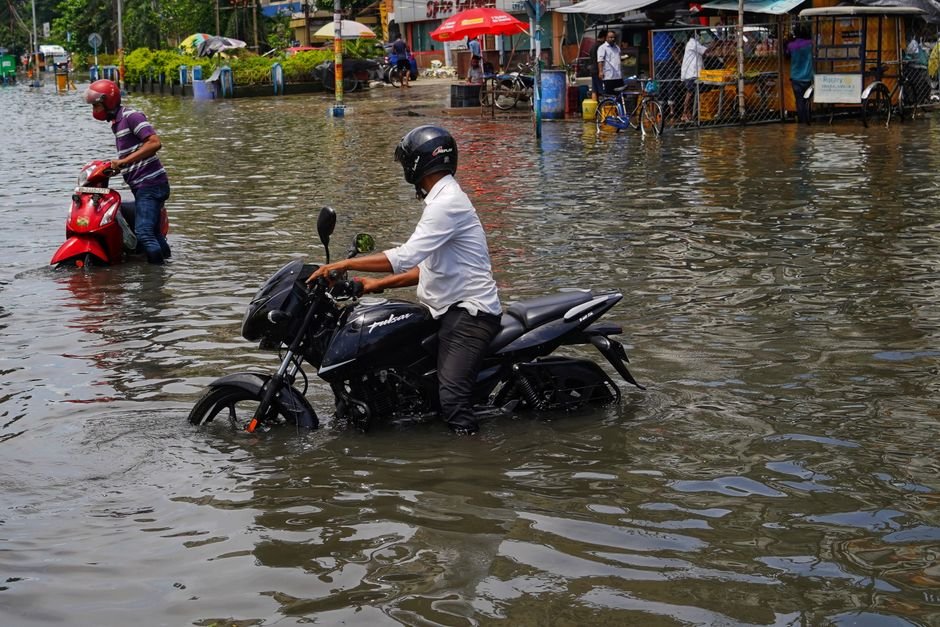
The timing is crucial. The **nepal flood** struck just weeks after China secured a landmark agreement to build a high‑speed rail link from Lhasa to Kathmandu, a project that would physically tether the two capitals. India’s counter‑offer—an accelerated upgrade of the existing Indian‑Nepa rail corridor and a pledge to fund flood‑resilient infrastructure—appears designed to keep the economic tide from turning irrevocably toward the north. Moreover, the flood has forced Kathmandu to prioritize immediate reconstruction over long‑term strategic planning, giving New Delhi a window to embed its engineers and contractors deep into the rebuilding process.
Why the Power Play Matters
The fallout from the **nepal flood** will reverberate far beyond muddy roads and displaced families. First, the country’s political elite, already fragmented along pro‑India and pro‑China lines, will be pressured to align with the donor that delivers the most visible results. A successful Indian‑led reconstruction could cement New Delhi’s role as the default security and development partner, marginalizing Chinese influence in the long run. Conversely, if Beijing’s projects prove more durable—especially in hydropower, which promises energy independence for Nepal—Beijing could claim the moral high ground of sustainable development.
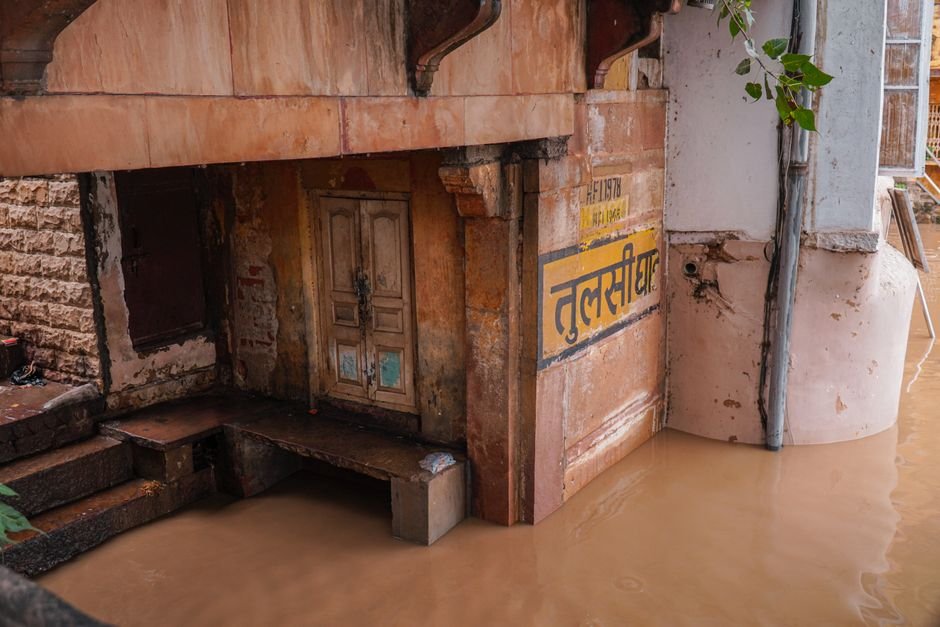
Second, the flood underscores a broader regional contest: the race to dominate South Asia’s emerging infrastructure corridors. India’s “Act East” vision and China’s Belt and Road Initiative both see Nepal as a gateway to the Indian Ocean. Control over Nepal’s transport arteries translates into leverage over trade routes, military logistics, and even intelligence gathering. Therefore, every bridge rebuilt, every road paved, carries an implicit strategic tag.
Third, the humanitarian angle is being weaponized. Critics in Kathmandu argue that accepting aid comes with strings attached, a sentiment echoed by civil society groups wary of “aid dependency.” Yet the reality on the ground is stark: villages are still without clean water, schools are submerged, and the monsoon season shows no signs of abating. In this vacuum, the power that supplies the first dose of relief often dictates the terms of the next negotiation.
The mainstream narrative tends to celebrate the flood response as a triumph of regional solidarity, glossing over the undercurrents of competition. What the headlines miss is the speed at which disaster diplomacy can rewrite alliances. India’s rapid mobilization is not merely a relief effort; it is a rehearsal for a new balance of power in the Himalayas. If Beijing’s aid remains tepid, the **nepal flood** may become the watershed moment that reorients Nepal’s foreign policy eastward for a generation.
Nonetheless, it would be naïve to assume that Nepal can be reduced to a pawn on a geopolitical board. The Nepali government retains agency, and domestic pressure for transparent, accountable reconstruction is mounting. Any misstep—whether corrupt contract awards, substandard building standards, or perceived favoritism—could ignite public backlash, forcing both India and China to recalibrate their approaches.
In the end, the **nepal flood** is a test of who can turn tragedy into influence without tripping over the very people they claim to help. The answer will shape not only Nepal’s recovery but also the future contour of South Asian geopolitics.
If New Delhi manages to embed its engineers in every rebuilt bridge and Beijing’s hydropower plants light up villages by 2028, the region’s power map will look remarkably different. If neither delivers, Nepal may finally chart its own independent path, proving that even the most severe flood can’t drown a sovereign nation’s resolve.
Source: Google — South Asia