Russia’s shadowy recruitment machine is slipping into the fashion‑forward chatter of African elites, and the world is barely noticing. The very name “Russia” now rings not only with geopolitical tension but with a clandestine allure that promises pay, purpose and a uniform that looks oddly runway‑ready.
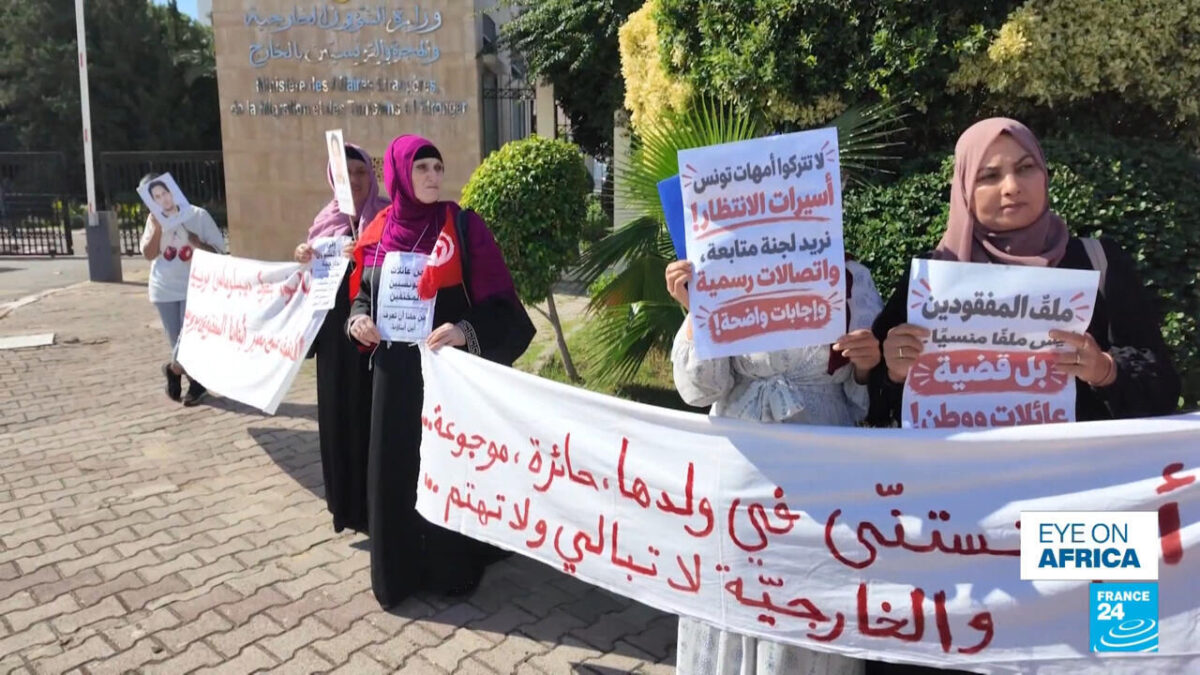
According to France 24, more than 1,400 Africans have been enlisted by Russian forces since 2023. The Africa‑Russia summit, where leaders discussed trade and security, conspicuously omitted any mention of these fighters. In Tunisia, families of men who vanished for work or study in Russia are still hunting for answers, their grief echoing through quiet cafés and bustling markets alike.
Russia’s African recruitment frenzy
The recruitment drive thrives on a blend of economic desperation and glossy propaganda. Russian recruiters pitch the conflict as a “career opportunity,” complete with promises of decent wages, travel, and a sense of belonging. For many young Africans, the offer feels like a fast‑track to a lifestyle usually reserved for the affluent: new clothes, modern gadgets, and a badge of honor that can be flaunted back home.
Historically, military uniforms have always carried a style statement—from the crisp cuts of World War II jackets to the camouflage chic of modern streetwear. In this new wave, the Russian uniform becomes a symbol of status, a badge that can be photographed beside designer sneakers and posted on Instagram. The visual language of war is being repackaged as a trend, blurring the line between sacrifice and sartorial ambition.
Meanwhile, the summit’s silence on the issue is telling. African leaders, eager to secure Russian investment in energy and infrastructure, appear to be turning a blind eye. Russian officials, in turn, keep the recruitment narrative off the official agenda, preserving the façade of a purely commercial partnership. The result is a tacit endorsement of a practice that exploits vulnerable youths while allowing both sides to maintain plausible deniability.
The dark runway: how war, style, and exploitation intersect
The fashion industry thrives on stories of transformation, and the Russian recruitment campaign offers a twisted narrative of metamorphosis. Young men are told that swapping a casual shirt for a military coat will upgrade their social capital. The coat, often adorned with insignia and polished boots, becomes a status symbol that rivals any designer label.
This crossover of military aesthetics and street style is not accidental. Russian soft power agencies have been known to produce glossy brochures that showcase soldiers in sleek, almost cinematic settings—think polished helmets paired with high‑tech gear, all set against a backdrop that resembles a high‑end photo shoot. The imagery is designed to seduce, to make the conflict appear as a runway show where the prize is not a contract but a place in a global narrative.
However, the reality behind the glossy veneer is brutal. Families in Tunis, like those of the missing students, recount the hollow promises and the silence that follows. The men who signed up for a “stylish adventure” are often thrust into brutal frontline combat, facing the same horrors as any conscript. Their disappearance leaves a trail of unanswered texts, unpaid bills, and a cultural wound that will take years to heal.
Critics argue that focusing on the fashion angle trivializes the human cost. Indeed, the suffering of these soldiers and their families should never be reduced to a style critique. Yet the very fact that the recruitment thrives on a fashion‑forward allure exposes a deeper hypocrisy: governments and corporations willing to ignore the human toll for the sake of a glossy image.
On the other hand, some African activists are turning this same aesthetic against the recruiters, using the uniforms in protest art to highlight the absurdity of glorifying war. By repurposing the symbols of Russia’s recruitment, they aim to strip the propaganda of its seductive sheen and replace it with a stark visual reminder of loss.
The stakes are clear. If the recruitment continues unchecked, more African youths will be lured into a conflict that offers no real career advancement, only casualties and broken families. Russia benefits from cheap manpower, while African states risk domestic unrest and a loss of credibility on the international stage. The fashion industry, too, faces a moral crossroads: continue to appropriate militaristic motifs without acknowledging the source, or demand ethical sourcing that includes the human stories behind the clothes.
The silence at the summit is a fashion faux pas of diplomatic proportions. It tells the world that profit and prestige outweigh the lives of those who wear the uniform for a fleeting moment of perceived glamour. As the uniform drapes over a young man’s shoulders, it becomes less a garment and more a chain, binding him to a conflict far from home and a narrative that never intended to honor him.
The next time a glossy magazine features a soldier‑styled jacket, ask yourself whose blood stitched those seams. The answer may be hidden behind a label, but the reality is stark: Russia’s recruitment is less about defending borders and more about selling a dangerous brand.
Only when the runway stops glamorizing war can the families of the missing finally see the truth— that the true cost of this “style” is measured not in fabric, but in lives left unfinished.
Source: France 24