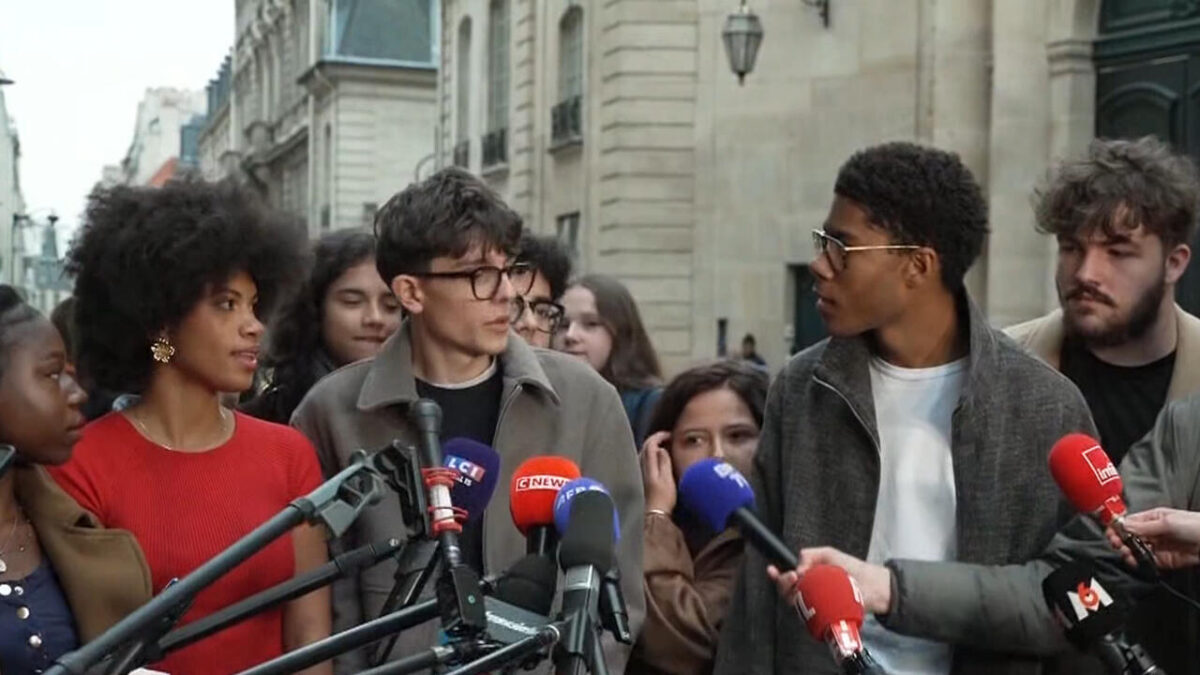
The French government’s latest sit‑down with student union leaders feels less like a concession and more like a strategic pause – a momentary truce that the unions are already promising to break with fresh protests next Saturday.
According to France 24, the Prime Minister met with representatives of the nation’s largest student federations on Monday after weeks of campus walk‑outs, tuition fee protests and blockades of university entrances. The unions hailed the dialogue as a step forward, yet they simultaneously announced a “continued mobilisation” for October 31 to press for deeper reforms.
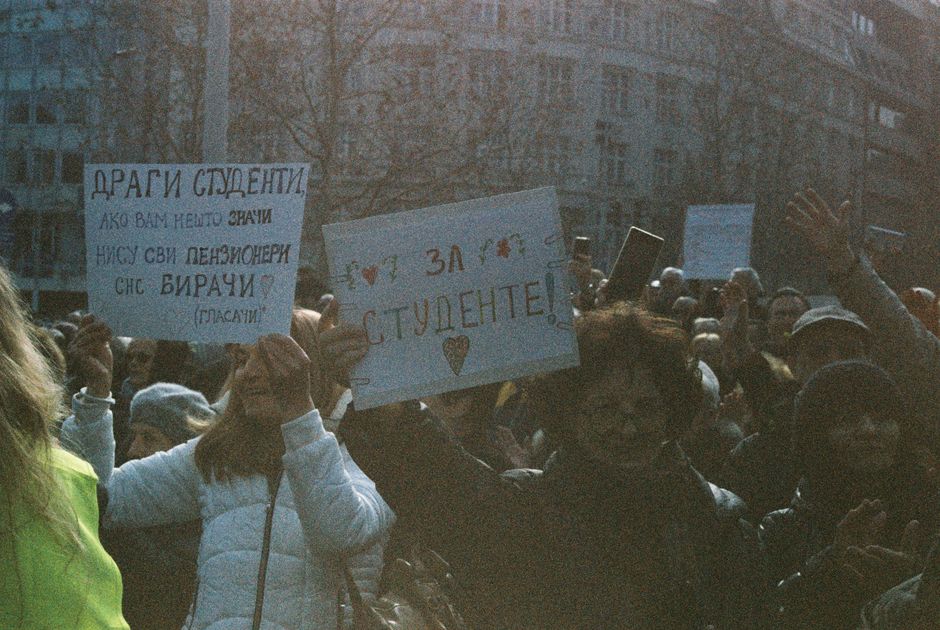
French student mobilisation gains momentum
The timing of the meeting is no accident. Since early October, French students have turned their campuses into political battlegrounds, demanding not only a rollback of recent tuition hikes but also a broader overhaul of university governance that they claim has become increasingly opaque and market‑driven. The pressure cooker reached a fever pitch when several high‑profile universities saw their main gates barricaded, prompting a wave of media coverage and a sharp rise in public sympathy for the protesters.
In fact, the meeting was secured only after weeks of coordinated rallies that forced the Ministry of Higher Education to acknowledge the unrest as a “national concern.” Marc Perelman, France 24’s French Politics Editor, notes that the government’s willingness to sit down reflects both the scale of the demonstrations and the political calculus of an administration that is already juggling multiple crises, from pension reforms to a looming regional election. The unions, however, have made it clear that a single conversation will not settle the dispute. Their call for another demonstration next Saturday is a calculated move to keep the pressure on, ensuring that any promises made on Monday are not simply filed away in a ministerial diary.
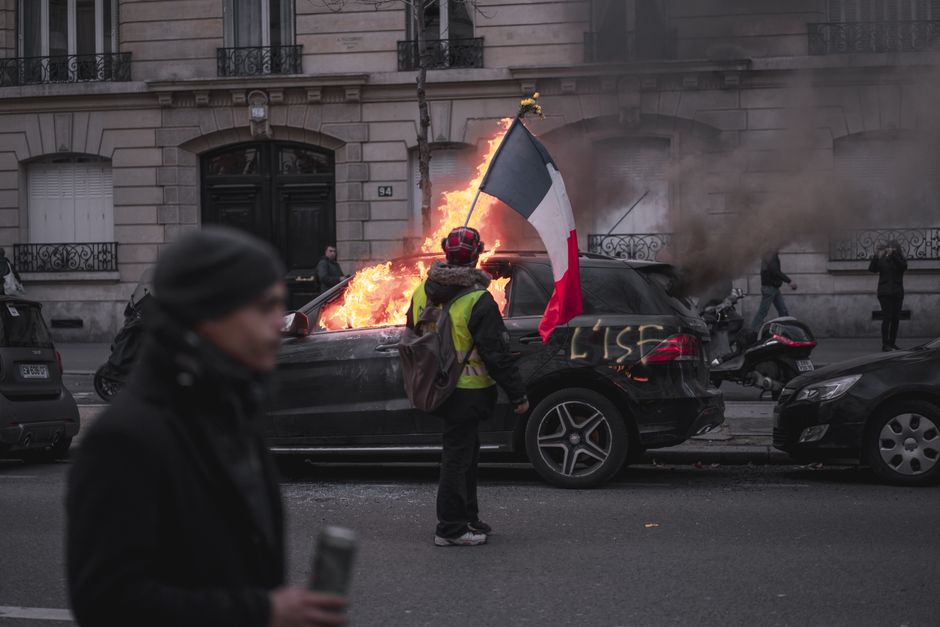
The stakes of continued mobilisation
If the students follow through on their threat, the French higher‑education landscape could see a cascade of consequences. First, the government may be forced to accelerate its reform timetable, potentially offering concessions on tuition caps, scholarship allocations, or the composition of university boards. Such wins would embolden other social movements, proving that sustained street pressure can still extract policy changes in a system that many claim has become technocratic and detached from everyday citizens.
On the other hand, a renewed wave of protests could backfire. Public patience is finite, and a prolonged shutdown of university services risks alienating families and employers who rely on a predictable academic calendar. Moreover, the opposition parties, eager to capitalize on any misstep, could portray the government as weak, especially if the Prime Minister’s office appears to be negotiating under duress rather than leading with a clear reform vision.
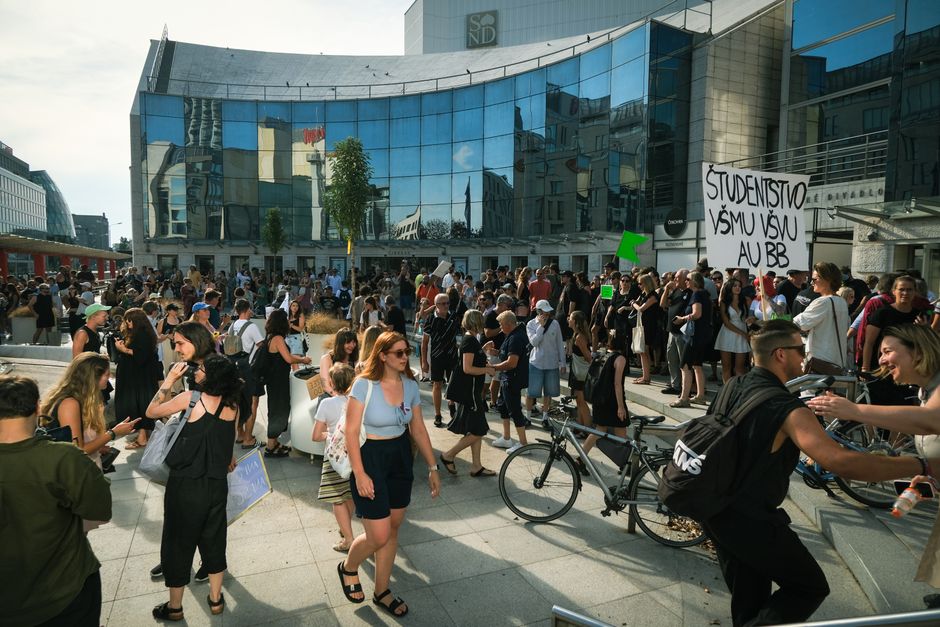
Critics argue that the unions are leveraging the moment to extract concessions without presenting a concrete alternative policy framework, thereby jeopardising the very educational standards they claim to protect. Yet the students counter that the current system’s flaws—rising costs, dwindling research funding, and opaque decision‑making—are precisely why a clear roadmap has yet to emerge. Their demand for “further measures” is less about abstract idealism and more about securing tangible, immediate relief for millions of learners teetering on the edge of financial ruin.
Meanwhile, the broader European context adds another layer of complexity. Across the continent, governments are tightening budgets while trying to maintain social contracts, and any French concession could set a precedent that reverberates in neighboring countries facing their own student unrest. The EU’s higher‑education funding mechanisms might also come under scrutiny if French universities are forced to renegotiate financial arrangements mid‑year.
In the end, the outcome hinges on whether the French authorities choose to treat the upcoming demonstration as a negotiating chip or as a destabilising force that threatens the nation’s academic continuity. A hardline response could inflame tensions, while a measured, transparent reform package could defuse the situation and restore confidence in the system.
The real question, however, is whether the French government can move beyond performative dialogue and deliver substantive policy shifts before the next wave of protests turns the campuses into a perpetual protest zone.
If the students manage to force a meaningful concession on October 31, it could signal a revival of mass mobilisation as a viable tool in French politics—a reminder that even in an age of digital activism, the streets still speak louder than any press release. If not, the momentum may sputter, leaving a generation of students disillusioned and a government emboldened to push its agenda with less public scrutiny.
Only time will tell which side writes the next chapter in the saga of French higher‑education reform. The stakes are high, the timeline is tight, and the nation’s attention is now fixed on a handful of protest signs that could reshape the future of learning across the country.
Source: France 24