
The nightmare that Saudi Arabia tried to lock away in the deserts of Yemen is being dragged back onto the world stage by the iran, and no one seems prepared for the fallout. As the regional chessboard reshuffles, the Saudi‑Yemen quagmire is no longer a side‑show; it’s the opening move in a wider power struggle that could redefine the Middle East’s balance of terror and trade.
Forbes reports that the renewed Iranian‑backed Houthi offensive in Yemen has intensified after Tehran’s direct involvement escalated the conflict into a proxy war. Saudi Arabia, already stretched thin by its own domestic reforms and a faltering oil price outlook, has been forced to re‑deploy air assets and naval patrols to protect its southern borders and the vital Bab al‑Mandab strait.
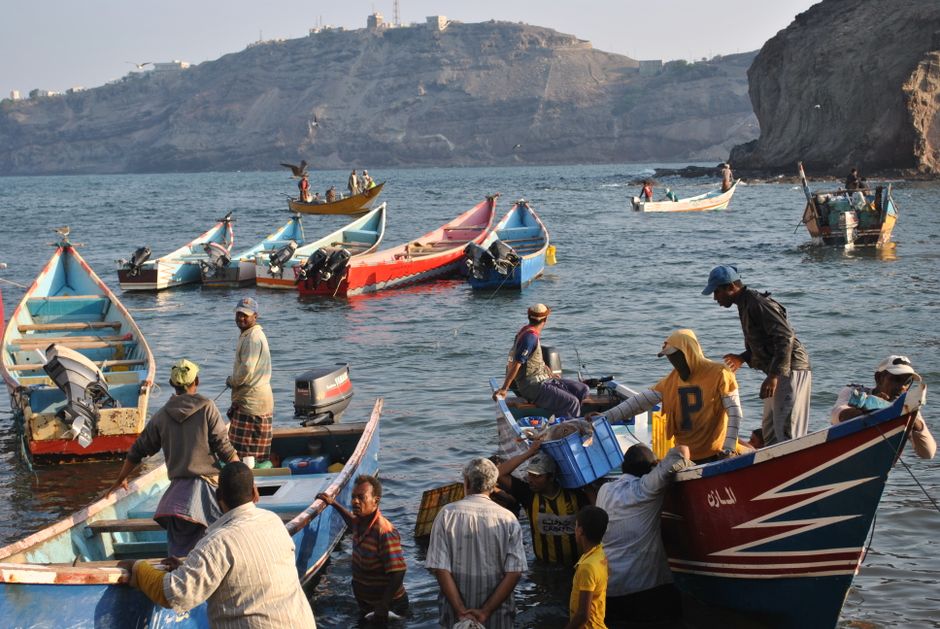
Why the Iran Conflict Pulls Saudi Arabia Back into Yemen
The resurgence of the Houthi campaign is not an isolated flare‑up; it is a calculated response to the broader geopolitical tug‑of‑war ignited by the iran’s growing assertiveness across the Gulf. In recent months, Tehran has amplified its missile launches and drone deployments, signaling a willingness to challenge the U.S.‑led coalition that underpins Saudi security guarantees. This aggressive posture has emboldened the Houthis, who now receive more sophisticated weaponry and intelligence support, turning their guerrilla raids into a credible threat against Saudi shipping lanes.
Meanwhile, Saudi Arabia’s own ambitions have become a double‑edged sword. Crown Prince Mohammed bin Salman’s Vision 2030, with its heavy reliance on foreign investment and technology partnerships, demands a perception of stability that the Yemeni war shatters. The kingdom’s recent attempts to diversify its economy—particularly in renewable energy and high‑tech sectors—are being undercut by the specter of a prolonged maritime conflict that threatens the Red Sea’s commercial arteries. As investors watch the war’s escalation, risk premiums rise, and the kingdom’s market reforms face renewed skepticism.

The regional context deepens the stakes. Israel’s covert cooperation with Saudi intelligence against the iran has added another layer of complexity, while the United Arab Emirates, once a Saudi ally in Yemen, is now cautiously distancing itself to preserve its own economic interests in the Gulf. The western powers, especially the United States, are balancing the desire to contain the iran with the need to avoid another costly ground engagement. All these dynamics converge on a single point: the iran’s influence in Yemen is the catalyst forcing Saudi Arabia back into a conflict it hoped to leave behind.
Hot Take: Who Gains, Who Loses, and What the Mainstream Is Missing
The obvious winner in this tangled scenario is the iran, which has successfully turned a peripheral theater into a strategic lever against its Saudi rival. By feeding the Houthis, Tehran forces the kingdom to divert resources away from its domestic reform agenda and into a costly, protracted war. The cost is not merely fiscal; it is political. Saudi leadership, already under pressure from a youthful population demanding jobs and freedoms, now faces a resurgence of nationalist sentiment that could destabilize the internal reform narrative.

Saudi Arabia, on the other hand, stands to lose more than just military assets. Its credibility as a reliable partner for multinational corporations hinges on the perception of security in the region. The war’s spillover threatens to choke off oil exports through the Bab al‑Mandab, inflating global energy prices at a time when markets are already jittery over climate‑related policy shifts. Moreover, the kingdom’s push into technology and renewable sectors could be stalled as capital flows back to safer havens, delaying its Vision 2030 milestones.
What the mainstream commentary often glosses over is the ripple effect on global supply chains and the tech sector. The Red Sea is a conduit for a significant share of the world’s container traffic, including critical components for smartphones, semiconductors, and renewable energy equipment. Any sustained disruption forces manufacturers to seek alternative routes, inflating shipping costs and delaying product rollouts. This, in turn, feeds into higher consumer prices and could slow the adoption of green technologies—ironically undermining the very climate goals that many Gulf states publicly champion.
There is also a diplomatic blind spot: the Saudi‑UAE split over Yemen may deepen, reshaping the Gulf Cooperation Council’s unity. If the United Arab Emirates begins to distance itself further, Saudi Arabia could find itself isolated, lacking the regional coalition needed to counter the iran’s proxy network. Conversely, a united front against Tehran could force a diplomatic reckoning that brings the United Nations back into the mediation room, but only if both sides recognize the unsustainable cost of endless warfare.
Nonetheless, there is a counterargument that the Saudi leadership could leverage this crisis to galvanize national unity and accelerate military modernization, thereby deterring future iranian aggression. The kingdom’s recent procurement of advanced missile defense systems could, in theory, neutralize Houthi threats and restore confidence in maritime security. Yet, such a path demands massive spending, further straining the fiscal room needed for economic diversification.
In sum, the iran’s strategic gamble is paying off, at least in the short term, by dragging Saudi Arabia back into a Yemen nightmare that threatens to spill over into global markets and technology supply chains. The kingdom’s ability to navigate this quagmire will determine whether it emerges as a resilient regional powerhouse or a reluctant relic of a bygone era.
The next Monday’s political headlines will be dominated not by oil price charts but by diplomatic telegrams and military briefings—signs that the war in Yemen has become a barometer for the broader Saudi‑iran rivalry. If the kingdom cannot break free from the Houthi vortex, the entire Gulf’s economic renaissance may stall, leaving the region to wrestle with the same old conflicts under a new, high‑tech veneer.
Source: Google — Middle East