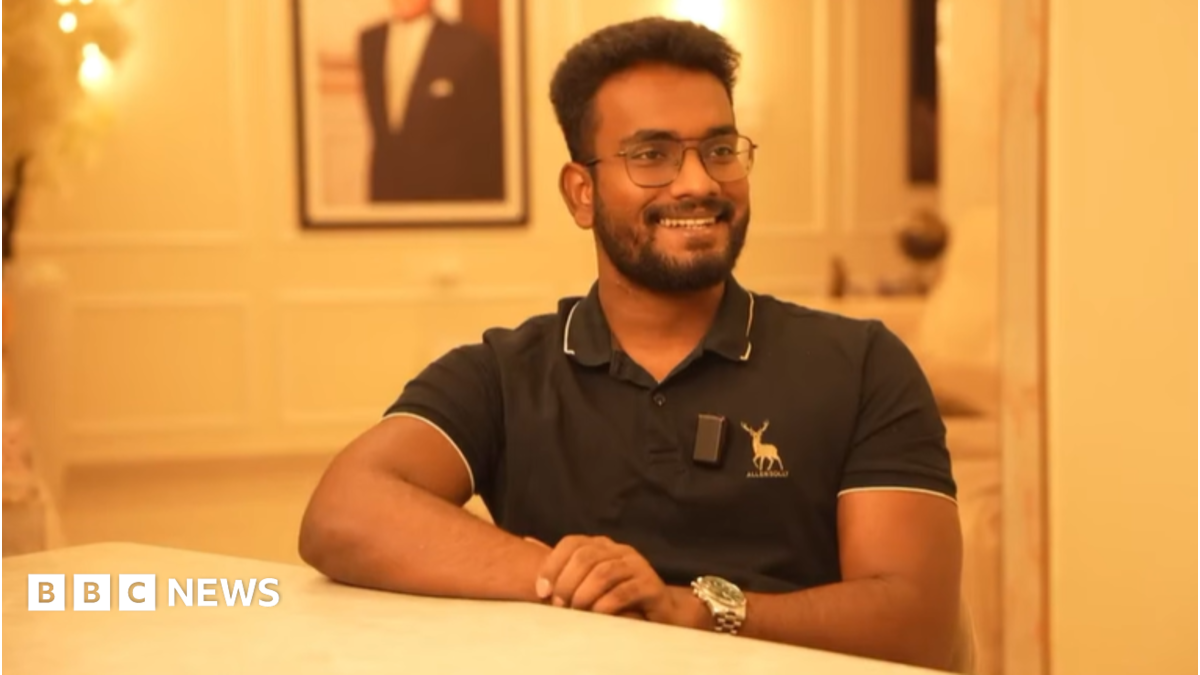
The Indian boom of finance‑focused social media has turned wealth advice into runway‑ready swagger, but that glitter can hide a lethal pressure cooker. When a popular Instagram guru was found dead, the whole glossy façade cracked open, forcing us to ask: how many more will fall before the hype stops?
V Harish, the creator behind the Instagram account “Finance with Harish,” was discovered dead on Tuesday, according to a BBC report. The same outlet noted that a YouTuber who had been feuding with Harish was taken into police custody shortly after the suicide.

Harish’s rise was meteoric. He turned complex stock market jargon into bite‑size reels, all while sporting sleek suits, designer watches, and a lifestyle that looked more like a fashion editorial than a financial tutorial. Followers flooded his page, eager to copy his wardrobe as much as his trading tips. In the same vein, the YouTuber arrested for alleged harassment had built a brand on confrontational videos, often critiquing Harish’s “show‑off” aesthetic and claiming he was selling a false promise of quick riches.
The Indian influencer ecosystem and its glossy veneer
The Indian digital economy has become a magnet for aspirants who see social media fame as a shortcut to affluence. Platforms reward eye‑catching visuals, and finance influencers have learned to dress the part, turning spreadsheets into sartorial statements. This marriage of finance and fashion has turned stock tips into a status symbol, with followers measuring success by the number of luxury items displayed in a story.

Behind the polished posts lies a ruthless churn. Algorithms amplify drama, so influencers weaponize feuds to spike engagement. Harish’s clash with the YouTuber was not an isolated spat; it was part of a broader pattern where personal attacks become content, and controversy translates into sponsorship deals. The pressure to maintain a flawless image can push creators into a relentless cycle of self‑promotion, debt‑financing, and mental strain.
The cultural context matters. In a country where traditional career paths still dominate, the allure of an Instagram‑driven “financial freedom” narrative is intoxicating. Young Indians, starved for representation, latch onto figures who appear to have cracked the code. When those figures stumble, the fallout reverberates through a community that has placed its hopes on a curated aesthetic rather than solid financial education.

Hot take: The cost of chasing clout in the Indian finance scene
The immediate winner of Harish’s tragedy is the media circus that thrives on sensationalism. Headlines sell, advertisers profit, and rival influencers seize the moment to capture displaced followers. Meanwhile, the real losers are the countless viewers who internalized a superficial version of wealth, mistaking a designer blazer for a sustainable portfolio.
If the industry continues to celebrate flash over substance, more creators may feel compelled to gamble with their mental health to stay relevant. The arrest of the YouTuber signals that platforms are finally willing to intervene when conflicts turn deadly, but it also underscores how thin the line is between online drama and real‑world tragedy. Regulators could step in, demanding transparency in financial advice and stricter guidelines on influencer conduct, but without cultural change the problem will persist.
Critics argue that personal responsibility lies with the audience, who should discern hype from reality. That view ignores the structural incentives that push creators toward performative wealth. When algorithms reward outrage and luxury displays, it is the platform designers, not the viewers, who have engineered the toxic environment.
The Indian market’s appetite for style‑laden finance content shows no sign of waning. Brands will keep sponsoring influencers who can turn a trading tip into a lookbook. Yet, the cost of that partnership may soon outweigh the glamour, especially if more tragedies force a reckoning.
The death of a charismatic finance guru should serve as a wake‑up call, not a footnote in the next click‑bait article. It forces us to question whether the glossy veneer of Indian influencer culture can ever coexist with genuine, responsible financial guidance.
If the industry refuses to strip away the sparkle and confront the mental toll of constant performance, the next headline will likely read the same: another influencer gone, another platform scrambling for a new face to fill the void. The choice is ours—continue feeding the fashion‑first fantasy, or demand depth over dazzle.
Source: BBC Asia