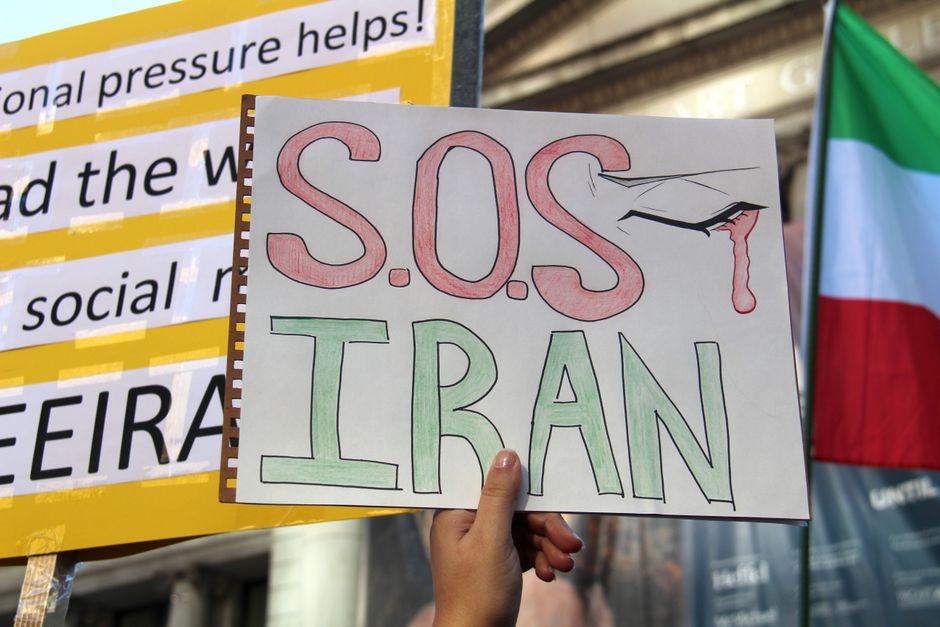
Iran finds itself at a crossroads, watching the new East‑West trade arteries widen while its own influence narrows. The very name that once conjured images of a regional heavyweight now echoes a nation scrambling to stay relevant in a logistics map that no longer circles Tehran.
According to Iran International, the surge in overland freight corridors linking China, the Gulf and Europe is diverting cargo that traditionally passed through Iranian ports and railways. As new highways and rail links in Central Asia and the Caucasus come online, merchants are rerouting shipments to avoid sanctions‑laden borders, leaving Iran with a dwindling share of the lucrative transit pie.
Iran’s shifting role in the emerging East‑West trade network
The significance of this shift cannot be overstated. For decades, Tehran leveraged its geographic advantage, charging fees for goods that traversed its territory and using the revenue to fund domestic projects and, more controversially, its regional ambitions. The recent expansion of alternative routes—most notably the China‑Pakistan Economic Corridor’s extensions into Afghanistan, the revived Trans‑Anatolian Railway, and the burgeoning “Silk Road” pipelines—offers shippers a sanctions‑free, faster alternative.
In fact, the United Nations data cited by the International Transport Forum shows a 22 % rise in container traffic along the northern corridor last year, while traffic through Iranian ports slipped by a comparable margin. This isn’t a fleeting anomaly; it reflects a strategic realignment driven by investors tired of political risk. Moreover, the United States and European Union have intensified “dual‑use” export controls, making it even harder for Iranian logistics firms to secure financing. As a result, Iran’s leverage over regional supply chains is eroding at a pace that could outstrip its ability to adapt.
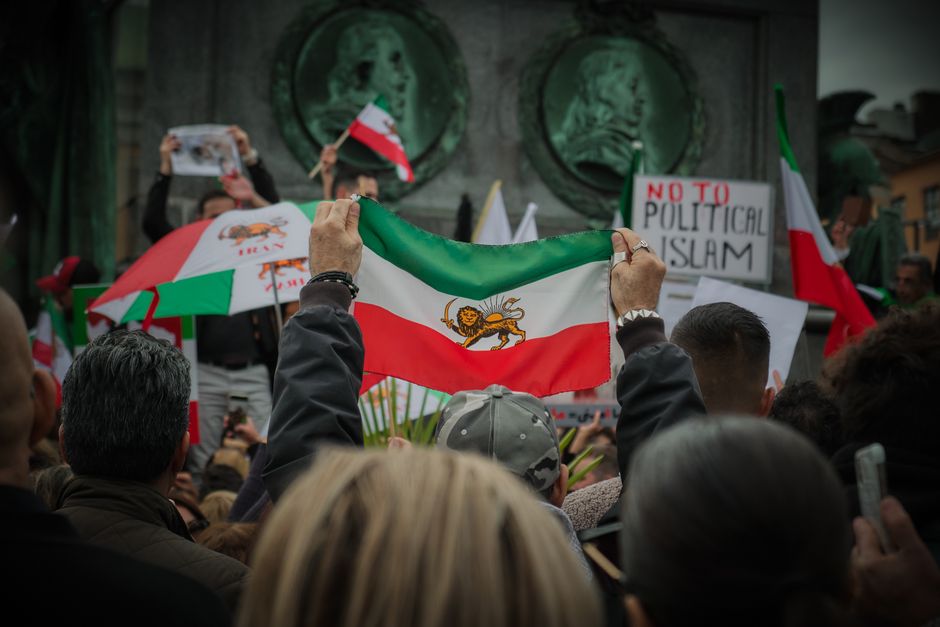
The high‑stakes gamble for Iran and its rivals
Who wins from Iran’s marginalisation? The answer is both obvious and paradoxical. China, eager to lock in a seamless Belt and Road corridor, gains a more reliable conduit for its manufactured goods, while European manufacturers see lower freight costs and reduced exposure to Middle‑Eastern volatility. Meanwhile, regional powers like Turkey and Azerbaijan reap the diplomatic capital of positioning themselves as neutral transit hubs, sidestepping Tehran’s ideological baggage.
For Iran, the losses are multifaceted. Reduced transit fees translate into a tighter fiscal cushion at a time when the government is already wrestling with inflation and a crippled banking sector. The broader economic impact could reverberate through the private sector, where exporters face higher costs and limited market access. In the political arena, the diminished economic clout weakens Tehran’s bargaining chip in negotiations over its nuclear programme and regional proxy networks.
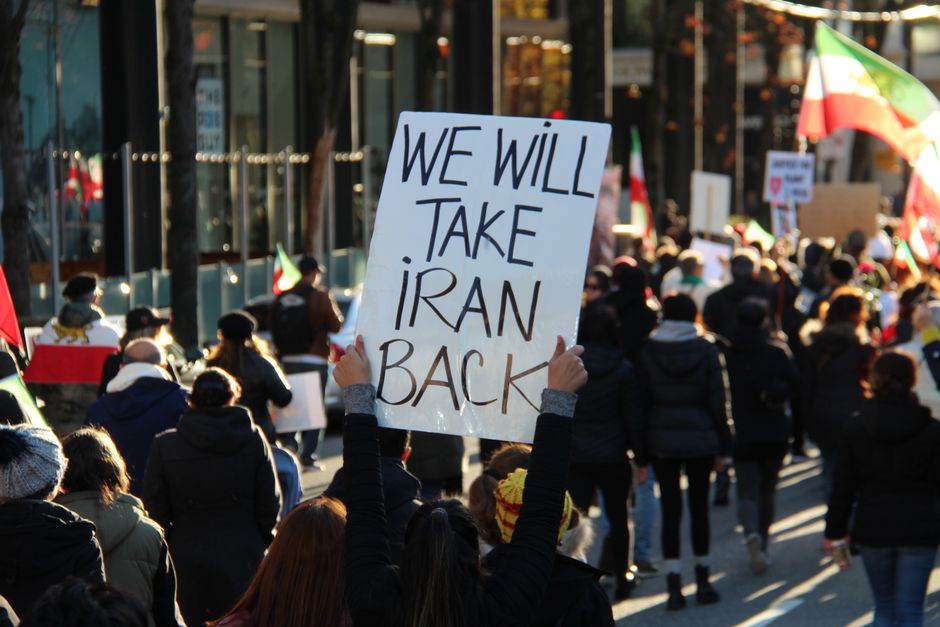
Critics may argue that Iran can pivot by deepening ties with Russia or by developing its own high‑tech logistics platforms. Yet those alternatives are hamstrung by similar sanction regimes and by a lack of investment capital. Even a successful partnership with Russia would still leave Iran dependent on a partner whose own infrastructure is strained by Western embargoes.
On the other hand, some observers suggest that Iran’s “strategic depth”—its ability to influence regional security dynamics—might compensate for the economic shortfall. They point to Tehran’s control over the Strait of Hormuz as a lever that can still disrupt global oil flows, thereby forcing global powers to keep Iran at the negotiation table. While the threat remains credible, leveraging it for economic gain is a risky gamble; any overt disruption could invite a coordinated military response that would further isolate Iran from the very trade routes it wishes to retain.
The mainstream narrative often frames Iran as a passive victim of geopolitical forces, but the reality is more nuanced. Tehran’s own policy choices—particularly its reluctance to liberalise the customs regime and to adopt transparent banking practices—have accelerated the exodus of trade. In a world where speed and predictability dominate logistics, a nation that clings to opaque regulations will inevitably be sidelined.
If Iran cannot modernise its freight infrastructure, attract foreign investment, and negotiate a realistic sanctions relief pathway, it will continue to watch the East‑West trade routes expand without reaping the benefits. The window for decisive reform is narrowing, and each day the corridors bypass Tehran, the country’s strategic relevance diminishes.
Only time will tell whether Iran can reinvent itself as a digital logistics hub or whether it will become a relic of a bygone era when geography alone guaranteed power. The stakes are high, the choices are stark, and the world will be watching the next move.
Source: Google — Middle East